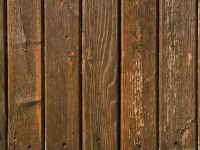
A natural surface covering derived directly from timber, this material brings the unique characteristics of trees into interior spaces. Its composition consists entirely of sawn planks or boards milled from a single piece of wood. For example, oak, maple, and walnut are frequently employed in residential and commercial building applications, offering distinct aesthetic and performance profiles.
The intrinsic value of this material lies in its durability, timeless appeal, and potential to increase property value. Its installation provides warmth underfoot and imparts a sense of quality often associated with higher-end construction. Historically, it has served as a signifier of status and craftsmanship, evolving from simple planks in early dwellings to intricate parquet patterns in grand estates.
The following sections will delve into aspects of selection, installation, maintenance, and sustainable sourcing of this versatile building element, providing information relevant to homeowners, contractors, and design professionals seeking to incorporate its natural beauty into their projects.
1. Species Variation
Species variation constitutes a fundamental characteristic of timber that directly influences the performance and aesthetic properties of this type of flooring. Different tree species, such as oak, maple, cherry, walnut, and hickory, possess distinct physical properties including hardness, grain pattern, color, and stability. This variation affects resistance to denting, scratching, and overall wear. Harder species, like hickory and maple, are more suitable for high-traffic areas, while softer options such as cherry or walnut may be preferred for their aesthetic appeal in less-frequented spaces. The natural color and grain pattern inherent to each species dictate the overall visual effect. Light-colored maple or oak can create a bright and airy atmosphere, while dark walnut or cherry can provide warmth and richness. Understanding these inherent differences is crucial for aligning flooring selection with intended use and design objectives.
The selection of a particular species also influences the dimensional stability of the flooring. Species exhibiting greater stability, meaning they are less prone to expansion and contraction due to changes in humidity, are generally preferred, particularly in regions with significant seasonal variations. For instance, quartersawn oak is often chosen for its stability and resistance to warping compared to plainsawn cuts of other species. Furthermore, certain wood types are more susceptible to insect infestation or decay than others, which should be a consideration based on local environmental factors and building construction methods.
In summary, species variation represents a primary factor in determining the suitability of a particular wood for flooring applications. The choice must carefully consider the interplay between desired aesthetic qualities, performance requirements, and environmental conditions. Neglecting the inherent properties of different species can lead to premature wear, structural issues, and aesthetic dissatisfaction. A well-informed selection process optimizes the longevity and beauty of the flooring investment.
2. Installation Methods
The selected installation method fundamentally impacts the long-term performance and structural integrity of wood flooring. Improper installation can lead to issues such as squeaking, unevenness, warping, and premature wear, irrespective of the quality of the material itself. For example, a nail-down installation on a concrete subfloor without a proper moisture barrier will inevitably result in cupping and potential mold growth, directly affecting the flooring’s lifespan. Conversely, a floating installation in an area prone to high moisture levels, without adequate expansion gaps, can cause buckling and separation of planks. The choice of method, therefore, is not arbitrary; it’s a direct determinant of the floor’s ability to withstand environmental stressors and intended use.
Each installation techniquenail-down, glue-down, and floatingpossesses distinct advantages and disadvantages suited to specific subfloor types, environmental conditions, and budgetary constraints. Nail-down installations, traditionally favored for solid wood flooring over wooden subfloors, provide a secure and durable connection. Glue-down methods, often preferred for engineered wood or installations over concrete, offer superior stability and reduced noise transmission. Floating installations, popular for their ease of installation and adaptability, require a level subfloor and adequate expansion gaps. Successful installation hinges on meticulous subfloor preparation, precise measurements, and adherence to manufacturer guidelines. Neglecting these factors can compromise the entire flooring system, resulting in costly repairs or replacements. For example, failing to acclimate wood to the environment before installation leads to expansion or contraction issues and can result in the product failing.
In conclusion, the relationship between installation methods and wood flooring is inextricable. Selecting and executing the appropriate installation technique is paramount for realizing the flooring’s full potential in terms of longevity, aesthetics, and structural soundness. Understanding the nuances of each method, coupled with careful consideration of the installation environment, ensures a durable and visually appealing surface that enhances the overall value of the space. It’s a critical component of a successful project, demanding expertise and attention to detail.
3. Finishing options
Finishing options represent a critical stage in the life cycle of real wood flooring, influencing its aesthetics, durability, and maintenance requirements. The selection of a suitable finish directly affects the material’s resistance to wear, moisture, and staining. For instance, a polyurethane finish, known for its robust protective qualities, creates a durable surface suitable for high-traffic areas, while an oil-based finish enhances the wood’s natural grain and provides a softer, more matte appearance. Unsuitable choices can lead to premature wear, requiring refinishing and increased maintenance costs. Therefore, understanding the diverse types of finishes and their corresponding properties is vital to maximizing the longevity and appearance of the flooring.
The impact of different finishes extends beyond mere surface protection. The chosen finish affects the flooring’s susceptibility to color changes over time due to ultraviolet exposure. For example, water-based finishes often exhibit greater clarity and resistance to yellowing compared to traditional oil-based options. Furthermore, the finish influences the ease of repair and maintenance. A penetrating oil finish, while providing a natural aesthetic, typically requires more frequent re-application to maintain its protective properties. Similarly, the sheen level, ranging from matte to high gloss, impacts the visibility of scratches and dents. Higher gloss finishes tend to accentuate imperfections, requiring more diligent cleaning practices. The practical significance of understanding these characteristics lies in aligning the finish selection with the expected usage, traffic levels, and aesthetic preferences of the space.
In summary, finishing options are integral to the functionality and visual appeal of real wood flooring. The appropriate selection enhances the flooring’s durability, simplifies maintenance, and preserves its aesthetic integrity over time. Considering factors such as wear resistance, UV protection, ease of repair, and sheen level allows for informed decisions that optimize the long-term performance and value of the flooring investment. Ignoring these considerations often results in diminished performance and increased maintenance demands, underscoring the importance of careful planning and informed decision-making during the finishing process.
4. Durability rating
The durability rating of real wood flooring directly correlates with its ability to withstand wear and tear under various conditions. This rating, often measured using tests such as the Janka hardness test, quantifies the wood’s resistance to indentation and abrasion. A higher Janka rating indicates a more durable wood species, better suited for high-traffic areas and environments where significant impact or scratching is expected. For example, Brazilian Walnut (Ipe) possesses a high Janka rating, making it an appropriate choice for commercial settings, while softer woods like Eastern White Pine are more susceptible to damage and are better suited for low-traffic residential areas. The selection of a flooring material with an inadequate durability rating can lead to premature wear, requiring costly repairs or replacements, thus highlighting the importance of understanding this parameter during the selection process.
Practical applications of durability ratings extend beyond simple traffic considerations. Environments with pets, children, or heavy furniture necessitate flooring with higher resistance to scratching, denting, and staining. In such cases, species like hickory or maple, with their above-average Janka ratings, offer a more robust and lasting solution. Furthermore, the finish applied to the wood contributes significantly to its overall durability. A high-quality polyurethane finish can enhance the scratch and water resistance of even softer wood species, while a poorly applied or inappropriate finish can compromise the durability of even the hardest woods. The interplay between the wood species and the finish underscores the importance of considering the durability rating in conjunction with other factors, such as the intended use of the space and the anticipated level of maintenance.
In summary, the durability rating serves as a critical indicator of real wood flooring’s suitability for specific applications. Ignoring this parameter can result in diminished performance, increased maintenance requirements, and ultimately, premature failure of the flooring. Challenges arise in accurately interpreting and comparing ratings across different testing methods and manufacturers, emphasizing the need for standardized reporting and thorough product research. Understanding the durability rating, coupled with informed decisions regarding species selection and finishing options, ensures a lasting and aesthetically pleasing flooring solution.
5. Maintenance Protocols
Adherence to appropriate maintenance protocols directly affects the longevity and aesthetic appeal of real wood flooring. The absence of a systematic maintenance regime precipitates premature wear, surface damage, and a diminished appearance. For instance, regularly neglecting to remove abrasive particles like sand and grit from the surface leads to gradual scratching and dulling of the finish, necessitating more frequent refinishing. Similarly, failing to promptly address spills, especially acidic liquids or pet urine, can result in staining and permanent discoloration of the wood fibers. The correlation between proactive maintenance and the preservation of the flooring’s integrity is undeniable; consistent care is an investment in the material’s long-term performance and value. This becomes particularly critical in high-traffic zones or areas prone to moisture exposure, where the demands on the flooring are inherently greater.
Effective maintenance protocols encompass several key practices. These include routine sweeping or vacuuming with appropriate attachments to prevent surface abrasion, damp mopping with pH-neutral cleaning solutions specifically formulated for wood flooring, and the strategic placement of mats or rugs in entryways and high-traffic areas to minimize the introduction of dirt and moisture. Furthermore, the periodic application of a surface refresher or polish, as recommended by the manufacturer, can restore the finish’s luster and provide an additional layer of protection against wear. Ignoring these guidelines often results in the accumulation of dirt and grime, leading to a compromised appearance and potentially accelerating the degradation of the finish. For example, using harsh chemical cleaners or steam mops can damage the protective coating, rendering the wood susceptible to water damage and staining.
In summary, the establishment and consistent execution of appropriate maintenance protocols are essential for maximizing the lifespan and preserving the beauty of real wood flooring. Understanding the causal relationship between maintenance practices and the flooring’s condition enables informed decision-making regarding cleaning products, maintenance schedules, and preventative measures. Addressing challenges such as identifying suitable cleaning agents and adapting maintenance routines to specific environmental conditions further enhances the effectiveness of these protocols. Ultimately, diligent maintenance translates to a sustained investment in the flooring, safeguarding its value and ensuring its lasting contribution to the overall aesthetic of the space.
6. Subfloor preparation
Subfloor preparation is a critical antecedent to the successful installation and long-term performance of wood flooring. The subfloor serves as the foundation upon which the finished flooring rests, and its condition directly influences the stability, levelness, and overall integrity of the installed surface. Deficiencies in the subfloor, such as unevenness, moisture, or structural weaknesses, manifest as problems in the finished floor, including squeaking, warping, and premature wear. For example, installing wood flooring over a subfloor that is not properly leveled can lead to uneven plank heights, resulting in an aesthetically displeasing surface and potential tripping hazards. Furthermore, excessive moisture in the subfloor, exceeding acceptable levels specified by flooring manufacturers, can cause the wood to expand, buckle, or even develop mold and mildew. Such failures necessitate costly repairs or complete replacements, highlighting the practical significance of thorough subfloor preparation.
The specific steps involved in subfloor preparation vary depending on the type of subfloor (e.g., concrete, plywood, OSB) and the chosen installation method (e.g., nail-down, glue-down, floating). Concrete subfloors typically require moisture testing, crack repair, and leveling using self-leveling compounds. Wooden subfloors may necessitate the replacement of damaged or weakened sections, the reinforcement of joists to prevent excessive deflection, and the sanding or planing of high spots to achieve a level surface. Regardless of the subfloor type, cleanliness is paramount. Debris, dust, and any existing adhesives must be removed to ensure proper adhesion of the flooring material or underlayment. For instance, failing to remove old adhesive residue from a concrete subfloor before a glue-down installation can compromise the bond between the flooring and the subfloor, leading to delamination and movement. Attention to detail during this phase is vital, as it establishes the conditions necessary for a durable and aesthetically pleasing final product.
In summary, subfloor preparation is not merely a preliminary step but an integral component of a successful wood flooring installation. Neglecting this aspect can have detrimental consequences, compromising the longevity and appearance of the finished floor. The challenges lie in accurately assessing the existing subfloor conditions, selecting appropriate preparation methods, and executing these methods with precision and attention to detail. These activities demand expertise and adherence to industry best practices. When properly executed, subfloor preparation provides the essential foundation for a lasting and visually appealing wood flooring installation.
Real Wood Flooring Tips
The following guidelines aim to assist in maximizing the value and longevity of installations. Adherence to these recommendations contributes to a successful outcome.
Tip 1: Acclimatize Before Installation: Allow the materials to adjust to the ambient temperature and humidity of the installation environment for a minimum of 72 hours. This mitigates expansion and contraction issues post-installation.
Tip 2: Employ Professional Installation: Engage qualified installers with documented experience. This ensures adherence to industry standards and proper execution of critical techniques.
Tip 3: Implement a Consistent Cleaning Schedule: Regular sweeping or vacuuming with a soft brush attachment prevents the accumulation of abrasive particles that can damage the finish.
Tip 4: Control Humidity Levels: Maintain consistent relative humidity within the recommended range for wood. Significant fluctuations can lead to warping or gapping.
Tip 5: Use Appropriate Cleaning Products: Avoid harsh chemicals or abrasive cleaners. Utilize pH-neutral solutions specifically designed for wood surfaces to preserve the finish.
Tip 6: Protect Against Direct Sunlight: Prolonged exposure to ultraviolet radiation can cause fading and discoloration. Employ window treatments to minimize this effect.
Tip 7: Address Spills Promptly: Wipe up spills immediately to prevent staining or water damage. Pay particular attention to acidic liquids or pet accidents.
These tips represent crucial factors in preserving the integrity and aesthetic appeal. Consistent adherence to these practices ensures a lasting and valuable investment.
The final section will summarize key considerations and offer concluding thoughts.
Real Wood Flooring
This exploration has traversed key aspects of real wood flooring, from species selection and installation methods to finishing options, durability ratings, maintenance protocols, and the critical importance of subfloor preparation. Each element contributes significantly to the overall performance, longevity, and aesthetic value of this classic flooring choice. Proper selection and meticulous installation, coupled with diligent maintenance, are paramount in realizing the material’s full potential.
The enduring appeal and inherent value proposition warrant careful consideration of the factors outlined. Investing in real wood flooring represents a commitment to quality and timeless design, enhancing the value of the space and providing years of enduring beauty. Further research and professional consultation are advised to ensure optimal selection and implementation for specific project requirements.