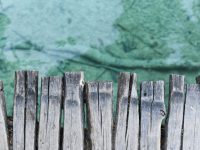
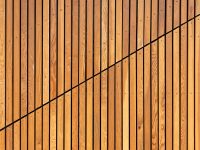
The inherent hue present in timber, influenced by species, age, and environmental factors, is a key characteristic influencing its aesthetic appeal. Variations range from pale creams and yellows to rich browns and deep reds, each offering a unique visual quality. For instance, oak typically exhibits a light to medium brown tone, while cherry is known for its reddish-brown appearance.
Understanding and appreciating the nuances of inherent tone is crucial in woodworking and design. It informs material selection, allowing for cohesive and harmonious projects. Throughout history, preference for specific tones has reflected cultural values and aesthetic trends. The durability and perceived warmth of darker shades, for example, often led to their adoption in furniture construction and architectural detailing.
The following discussion will delve into the factors affecting the shade and tone of timber, methods for enhancing or altering it, and its influence on interior design and construction projects.
1. Species variation
The inherent hue of timber is intrinsically linked to species. Different species possess unique chemical compositions and cellular structures, which directly influence the absorption and reflection of light, resulting in a diverse range of appearances. For example, mahogany exhibits a reddish-brown due to the presence of specific extractives, while maple presents a lighter, creamy tone attributed to its lower extractive content and denser cellular arrangement. This variability necessitates careful consideration during material selection, as the innate color contributes significantly to the final aesthetic of a project.
The importance of species variety extends beyond mere aesthetics. Certain tones are indicative of particular wood properties. Darker shades, often associated with denser hardwoods, may suggest increased durability and resistance to decay. Conversely, lighter tones may indicate softer woods that are easier to work with but potentially less resistant to wear. The impact of species on color is also relevant in restoration projects. Matching the original species and finish is vital for maintaining the historical integrity of a piece.
In summary, species is a primary determinant of timber’s coloration. This relationship stems from the unique biological and chemical attributes of each species, affecting visual qualities and indirectly indicating material properties. Appreciation for this connection is crucial for informed decision-making in woodworking, design, and conservation, ensuring both aesthetic harmony and structural integrity.
2. Age influence
The temporal dimension profoundly impacts the coloration of timber. Over time, chemical changes and environmental exposure alter its inherent hue, resulting in noticeable shifts in appearance. These changes, while subtle, significantly contribute to the aesthetic character of aged timber.
-
Oxidation Processes
Prolonged exposure to atmospheric oxygen triggers oxidation within the lignin and extractives present in the wood. This process typically leads to a darkening effect, enriching the original shade with deeper, warmer tones. Sunlight accelerates oxidation, making the effect more pronounced on exposed surfaces. For example, unfinished pine gradually acquires a richer amber hue over years of exposure to air and sunlight.
-
Extractive Migration
Extractives, natural organic compounds within the wood, can migrate to the surface over time. This migration is influenced by temperature and humidity fluctuations, causing the surface coloration to deepen or exhibit subtle color variations. Species such as cherry are known for significant extractive migration, resulting in a distinct deepening and mellowing of the shade with age.
-
Moisture Content Variation
Repeated cycles of moisture absorption and desorption cause swelling and shrinking of the wood structure, leading to micro-cracks and surface irregularities. These surface changes affect how light is reflected, subtly altering the perceived color. Additionally, moisture can facilitate the growth of fungi or molds, potentially causing staining or discoloration, depending on the environment.
-
Finishing Deterioration
Surface finishes applied to timber, such as varnishes and oils, degrade over time due to UV exposure, wear, and chemical reactions. This deterioration affects the appearance of the wood by altering its sheen, clarity, and protective properties. As finishes break down, the underlying timber becomes more vulnerable to environmental influences, further impacting its color evolution.
In summary, the passage of time exerts a complex influence on the coloration of timber. These processes, from oxidation and extractive migration to moisture variations and finish degradation, collectively contribute to a nuanced transformation of its visual characteristics. Understanding these aging effects is essential for restoration efforts, preservation strategies, and design choices that seek to capture the unique aesthetic of aged timber.
3. Environmental factors
The surrounding environment exerts a significant influence on the color of timber, initiating alterations to both its surface and internal structure. These factors, ranging from sunlight exposure to moisture levels, instigate a variety of chemical and physical processes that modify the original appearance.
-
Ultraviolet (UV) Radiation
Prolonged exposure to UV radiation from sunlight causes photodegradation of lignin, a complex polymer that provides structural support to wood cells. This degradation results in bleaching of the surface, leading to a gradual lightening of the color. The severity of this effect depends on the intensity of the sunlight and the duration of exposure. Unfinished wood exposed to direct sunlight can exhibit significant fading within a relatively short period. Different species have different resistance to UV, affecting their color stability.
-
Moisture Content and Humidity
Fluctuations in moisture content and humidity promote swelling and shrinking cycles within the wood. These cycles create micro-cracks on the surface, altering light reflection and causing subtle changes in the perceived color. High humidity can also foster the growth of mold and fungi, leading to staining and discoloration. Conversely, prolonged dryness may cause the wood to darken and become brittle. The impact of moisture is particularly pronounced in outdoor applications where timber is exposed to varying weather conditions.
-
Air Pollution
Exposure to air pollutants, such as sulfur dioxide and nitrogen oxides, can react with the wood surface, causing chemical alterations that affect its color. These pollutants can accelerate the degradation of lignin and cellulose, leading to discoloration and weakening of the material. In urban environments with high levels of air pollution, timber structures and furniture may exhibit a premature darkening or yellowing effect compared to those in cleaner environments.
-
Temperature Variations
Significant temperature fluctuations induce expansion and contraction within the wood structure. Repeated thermal stress can accelerate the degradation process, leading to cracking and surface damage. High temperatures can also promote the volatilization of certain organic compounds within the wood, potentially altering its color and odor. These effects are more pronounced in environments with extreme temperature variations, such as deserts or regions with harsh winters.
In summary, environmental variables actively reshape the chromatic properties of timber. Comprehending these complex interactions is vital for predicting long-term appearance changes, selecting appropriate protective treatments, and preserving the aesthetic integrity of wood products in diverse environmental conditions. The interplay between these factors highlights the dynamic nature of timber and its responsiveness to the surrounding environment.
4. Finishing effects
The application of surface treatments, known as finishes, significantly modifies the inherent appearance of timber. Finishes serve not only to protect the wood from environmental damage but also to alter or enhance its natural coloration, thereby playing a crucial role in achieving desired aesthetic outcomes.
-
Staining and Dyeing
These treatments penetrate the wood structure, introducing pigments that alter the existing coloration. Stains typically enhance the natural grain pattern while adding tone. Dyes, on the other hand, offer a more uniform and intense color change. The selection of stain or dye dictates the resulting visual effect, allowing for precise control over the final shade. For example, a dark walnut stain can transform light maple into a richer, darker tone, while a cherry dye can intensify the reddish hues in birch.
-
Oils and Waxes
Penetrating oils and surface waxes enrich the natural color while providing protection against moisture. Oils often deepen the wood’s existing tone, creating a warmer, more lustrous appearance. Waxes offer a subtle sheen and enhance the tactile quality of the surface. Tung oil, for example, imparts a subtle amber tone and accentuates the grain pattern, while beeswax polishes enhance the existing coloration without significantly altering it. The choice between oil and wax depends on the desired level of protection and aesthetic enhancement.
-
Varnishes and Lacquers
These coatings create a durable, protective layer that seals the wood surface. They are available in various sheens, ranging from matte to high gloss, each affecting the perceived shade and texture. Clear varnishes and lacquers emphasize the natural tones while protecting the wood from scratches and moisture. Tinted varnishes and lacquers introduce subtle color changes while maintaining the protective barrier. A high-gloss varnish reflects more light, making the timber appear brighter, while a matte varnish softens the shade and reduces glare.
-
Bleaching and Chemical Treatments
Bleaching agents are employed to lighten the natural color, creating a paler or more uniform appearance. Chemical treatments can also be used to age or distress the wood, altering its color and texture to mimic the effects of time and weathering. Bleaching is often used on oak or ash to create a Scandinavian-inspired aesthetic, while chemical treatments can impart a rustic, weathered look to new timber. These techniques require careful application to achieve the desired effect without damaging the wood structure.
The relationship between finishing effects and inherent color is multifaceted. Finishes not only modify but also interact with the base tone, leading to complex and nuanced visual outcomes. Understanding these interactions is essential for achieving specific aesthetic goals and ensuring the longevity and beauty of finished wood products.
5. Perception impact
The perceived hue of timber significantly influences human emotion, judgment, and decision-making processes within design, construction, and everyday life. This subjective response shapes aesthetic preferences and impacts the selection of materials for various applications.
-
Emotional Response
The color evokes specific emotional responses. Warmer tones, such as reddish-browns, tend to elicit feelings of comfort, security, and warmth, whereas cooler tones, like light grays and beiges, evoke sensations of calmness and serenity. Dark shades convey a sense of formality and sophistication, influencing the atmosphere of a space. The selection of timber shade, therefore, consciously or unconsciously shapes the emotional ambiance of an environment.
-
Subjective Value Assessment
Perceived hue affects the assessment of value. Some tones, particularly those associated with rare or exotic species, may be perceived as more luxurious or valuable than others. This perception influences pricing in furniture and construction markets. Dark, richly colored hardwoods are often considered premium materials, leading to higher costs and influencing purchasing decisions. The connection between scarcity, perceived beauty, and market value is intrinsically linked to tone.
-
Influence on Design Aesthetics
The shade plays a pivotal role in defining the overall aesthetic of a design. It determines how the wood interacts with other colors and materials in a space. Light tones create an open and airy atmosphere, complementing minimalist designs. Dark tones add depth and contrast, suiting more traditional or opulent styles. The proper integration of timber shade within a design scheme ensures visual harmony and enhances the intended aesthetic effect.
-
Cultural and Historical Associations
Cultural norms and historical trends shape perceptions of color. Certain tones are associated with specific periods, regions, or cultural traditions. For example, dark mahogany is linked to Victorian-era furniture, while light pine is characteristic of Scandinavian design. These associations influence preferences and inform design choices. Understanding these cultural and historical contexts enables designers and consumers to appreciate the rich symbolic meaning of timber shade.
Consequently, the perception impact of wood color extends beyond mere visual appreciation. It encompasses emotional responses, value judgments, design aesthetics, and cultural associations. These factors collectively influence material selection, design choices, and the overall experience of interacting with wood in various settings.
Tips Regarding Timber Hue
This section provides essential guidelines for selecting, maintaining, and appreciating the nuanced visual characteristics of timber. These recommendations are designed to inform choices that enhance aesthetic appeal and ensure longevity.
Tip 1: Prioritize Species Selection: Selection of timber species should be informed by the desired visual outcome. Each species possesses a distinct inherent hue that significantly influences the final appearance of a project. For instance, walnut delivers a dark, rich tone, while maple provides a lighter, more neutral palette. Thoroughly research the specific coloration of each species before making a selection.
Tip 2: Account for Aging Effects: The hue of timber evolves over time. Expect darkening or mellowing as the wood ages and is exposed to environmental factors. Consider this natural progression when planning long-term projects. Incorporating UV-protective finishes can slow down these changes.
Tip 3: Control Environmental Exposure: Environmental conditions, particularly sunlight and moisture, drastically alter the hue. Implement strategies to minimize exposure to direct sunlight and humidity fluctuations. Utilize coatings designed to mitigate the effects of UV radiation and moisture absorption.
Tip 4: Apply Finishes Strategically: Finishing techniques modify the natural coloration of timber. Carefully select finishes that complement the inherent shade while providing protection. Test finishes on sample pieces to ensure the desired visual result before applying them to the final project.
Tip 5: Understand Color Perception: Color perception is subjective and influenced by lighting conditions and surrounding elements. Evaluate timber selections under various lighting scenarios to ensure compatibility with the intended environment. Consider how the shade will interact with other colors and textures in the space.
Tip 6: Consider Grain Pattern: The grain pattern interacts significantly with the timber’s hue, adding depth and character. The grain’s orientation and density affect how light is reflected, influencing perceived color. Opt for species with grain patterns that enhance or complement the desired color effect.
Tip 7: Employ Proper Storage Techniques: Store timber in a dry, well-ventilated environment to prevent discoloration, warping, and decay. Consistent storage conditions preserve the original shade and structural integrity. Avoid direct contact with the ground and protect from extreme temperature fluctuations.
Adhering to these guidelines will optimize aesthetic outcomes and prolong the lifespan of timber projects by accounting for factors influencing its inherent color. The meticulous management of species, environmental exposure, finishing techniques, and individual perception is critical in achieving both visual harmony and enduring quality.
The preceding information lays a foundation for a deeper understanding of the factors affecting timber appearance, enabling more informed design and construction practices.
Conclusion
This exploration has detailed the multifaceted nature of wood colour, emphasizing its dependence on species, age, environmental influences, and finishing techniques. Furthermore, the influence of human perception on the overall aesthetic appreciation of timber was also clarified. A comprehensive understanding of these factors is essential for informed material selection, effective design implementation, and long-term maintenance.
Given the significant impact of wood colour on both functional applications and aesthetic experiences, further research and diligent application of acquired knowledge are paramount. A continued emphasis on responsible sourcing and sustainable finishing practices will ensure the enduring beauty and utility of timber for future generations.