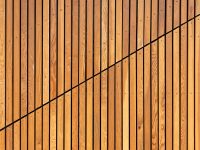
A penetrating oil finish formulated primarily for use on teak and other dense hardwoods is designed to enhance and protect the wood’s natural beauty. This specialized product is typically composed of a blend of natural oils, often including linseed oil and tung oil, along with solvents and sometimes resins. The resulting mixture soaks into the wood, providing a subtle sheen and protection against moisture.
The utilization of such a finish confers several advantages. It safeguards against the damaging effects of water, sunlight, and everyday wear. Regular application can prevent the wood from drying out, cracking, or graying, preserving its rich color and character. Historically, these types of finishes have been favored for marine applications and outdoor furniture due to their weather-resistant properties and ease of maintenance.
This article will explore the specific components of such products, proper application techniques, maintenance procedures, and the environmental considerations associated with their use. Furthermore, a comparison of alternative wood finishing options will be provided, enabling informed decision-making for wood care and preservation.
1. Penetration Depth
Penetration depth, concerning this particular finish, is a critical factor determining its protective capabilities and longevity. The ability of the product to permeate the wood’s cellular structure directly influences its capacity to resist moisture ingress and environmental degradation. A deeper penetration creates a more robust barrier against water absorption, mitigating swelling, warping, and cracking common issues encountered in outdoor applications. The extent of this permeation is contingent on the product’s formulation, including the type and proportion of oils and solvents, as well as the wood’s inherent density and porosity.
The correlation between penetration depth and protection is demonstrable through practical examples. Consider two identical teak benches exposed to similar weather conditions. One bench receives treatment with a high-quality product exhibiting excellent penetration, while the other receives a lower-grade alternative with poor penetration. After a period of exposure, the latter will likely exhibit signs of moisture damage, such as surface cracking and discoloration, while the former remains relatively unaffected. This difference highlights the significance of selecting a product formulated for optimal penetration, particularly in demanding environments.
Ultimately, understanding the penetration characteristics of a particular finish is essential for achieving long-term wood preservation. While factors like UV resistance and surface finish contribute to the overall aesthetic and protective qualities, the foundational role of penetration depth in establishing a durable barrier against moisture cannot be overstated. Selection of an appropriate product requires careful consideration of its formulation and intended application, with a focus on achieving maximum penetration for sustained protection.
2. UV Protection
The integration of ultraviolet (UV) protection into wood finishes formulated for teak and similar hardwoods is a critical aspect of long-term preservation. Prolonged exposure to solar radiation can cause significant degradation of the wood’s surface, leading to discoloration, surface cracking, and a reduction in structural integrity. The inclusion of UV absorbers or stabilizers within the finish mitigates these harmful effects.
-
Mechanism of Action
UV absorbers function by absorbing high-energy UV radiation and converting it into lower-energy heat, which is then dissipated without damaging the wood. UV stabilizers, on the other hand, work by interfering with the chain reactions initiated by UV light in the wood’s lignin, preventing the breakdown of the wood’s cellular structure. The combination of both absorbers and stabilizers provides comprehensive protection.
-
Pigmentation and UV Resistance
The addition of pigments to the finish can also enhance UV protection. Pigments, particularly those in darker shades, reflect or absorb a significant portion of incoming UV radiation. This is why finishes with a slight tint often offer better UV resistance compared to clear finishes. However, the choice of pigment must be carefully considered to avoid altering the wood’s natural aesthetic.
-
Frequency of Reapplication
Even with UV protection, regular reapplication of the finish is essential. UV absorbers and stabilizers are gradually consumed as they perform their protective function. The frequency of reapplication depends on the level of UV exposure, the quality of the finish, and the specific environmental conditions. In areas with high UV index, more frequent reapplication is necessary to maintain adequate protection.
-
Long-term Aesthetics and Durability
The presence of UV protection significantly extends the lifespan and aesthetic appeal of finished wood items. By preventing discoloration and surface degradation, UV protection preserves the wood’s natural color and texture. This not only enhances the visual appeal of the wood but also reduces the need for costly repairs or replacements over time.
In summary, UV protection is an indispensable component of wood finishes intended for exterior applications. By understanding the mechanisms of action, the role of pigmentation, the importance of regular reapplication, and the long-term benefits, informed decisions can be made regarding the selection and maintenance of these finishes, ensuring the preservation of wood’s beauty and structural integrity.
3. Water Resistance
Water resistance is a paramount characteristic of wood finishing products intended for use on teak and similar hardwoods, particularly in exterior applications. The inherent properties of these woods, while providing a degree of natural resistance, are not sufficient to withstand prolonged exposure to moisture without additional protection. Finishes formulated for this purpose provide a hydrophobic barrier, impeding water absorption and mitigating the detrimental effects of moisture penetration. The effectiveness of this barrier is directly proportional to the product’s ability to prevent swelling, warping, cracking, and the growth of mold and mildew.
The inclusion of specific oils and resins within the formulation directly contributes to the level of water resistance achieved. These components, when properly applied, penetrate the wood’s surface, filling the porous structure and creating a seal that repels water. For example, marine applications, such as teak decking on boats, demand a high degree of water resistance to prevent structural damage and maintain aesthetic appeal. In these environments, finishes specifically designed to provide a durable, water-repellent barrier are essential. Regular application of these products is crucial to maintain the protective layer, as weathering and wear gradually diminish its effectiveness.
In conclusion, water resistance is an indispensable attribute of wood finishes used to protect teak and other dense hardwoods. By creating a barrier against moisture, these products prevent a range of water-related damage, extending the lifespan and preserving the appearance of the wood. The selection of a finish with appropriate water-resistant properties, coupled with regular maintenance, is vital for ensuring the long-term performance of wood items exposed to environmental elements.
4. Finish durability
The durability of a finish applied to teak wood is intrinsically linked to the formulation and quality of the protective product used. The ability of a finish to withstand environmental stressors, such as UV radiation, moisture, temperature fluctuations, and abrasion, directly impacts the longevity and aesthetic appeal of the treated wood. A durable finish minimizes the need for frequent reapplication, thereby reducing maintenance costs and preserving the integrity of the wood over extended periods. Consequently, the selection of a finish that offers robust durability is a critical factor in ensuring the long-term performance of teak furniture or structures.
The composition of the finish plays a significant role in determining its durability. Finishes that incorporate high-quality oils, resins, and UV inhibitors tend to exhibit greater resistance to degradation. These components work synergistically to create a protective barrier that shields the wood from harmful elements. For instance, a finish with a high concentration of tung oil may provide superior water resistance, while the addition of UV absorbers can prevent fading and discoloration caused by sunlight. The application technique also influences durability; proper surface preparation and adherence to recommended application guidelines are essential for achieving optimal results. A poorly applied finish, regardless of its inherent quality, is prone to premature failure.
Ultimately, the durability of a teak wood finish is a measure of its ability to withstand the rigors of its intended environment. Factors such as the climate, the frequency of use, and the level of maintenance all contribute to the rate of wear and tear. By selecting a finish specifically formulated for durability and adhering to recommended maintenance practices, one can significantly extend the lifespan of teak wood products, preserving their beauty and value for years to come. This understanding underscores the practical significance of prioritizing finish durability in the context of teak wood preservation.
5. Application Ease
The ease with which a teak oil finish can be applied significantly impacts the overall success of wood preservation efforts. A product’s user-friendliness directly influences the likelihood of proper application, which is crucial for achieving optimal protection and aesthetic enhancement. Several factors contribute to this ease, ultimately determining the efficiency and effectiveness of the finishing process.
-
Viscosity and Spreadability
The viscosity of a teak oil finish dictates its spreadability and penetration characteristics. A finish that is too viscous may be difficult to apply evenly, leading to uneven coverage and potential pooling. Conversely, a finish that is too thin may not provide adequate protection. Optimal viscosity allows for smooth, even application with minimal effort, ensuring consistent penetration into the wood’s pores. For example, a finish with a medium viscosity can be applied using a brush, cloth, or sprayer, adapting to the user’s preference and the project’s scale.
-
Drying Time and Tackiness
The drying time of a teak oil finish affects the overall application process. A finish that dries too quickly may result in brush marks or an uneven surface, while a finish that dries too slowly increases the risk of dust and debris adhering to the surface. Moreover, excessive tackiness during the drying process can complicate the application of subsequent coats. An ideal drying time allows for sufficient working time without prolonged exposure to environmental contaminants, typically striking a balance between several hours and a day, depending on ambient conditions.
-
Surface Preparation Requirements
The extent of surface preparation required before applying a teak oil finish directly impacts its application ease. Some finishes necessitate extensive sanding, cleaning, and degreasing to ensure proper adhesion and penetration. Others are more forgiving and can be applied to surfaces with minimal preparation. A finish that requires less intensive surface preparation saves time and effort, simplifying the overall finishing process. For instance, a product that can be applied after a simple cleaning and light sanding is generally considered more user-friendly.
-
Clean-up Procedures
The ease of cleaning up after applying a teak oil finish contributes to the overall user experience. Finishes that require specialized solvents for cleaning brushes, tools, and spills can be cumbersome and costly. Conversely, finishes that can be cleaned up with readily available solvents, such as mineral spirits or soap and water, are more convenient. Straightforward clean-up procedures save time and minimize the environmental impact of the finishing process. The choice of product should align with practical considerations for efficient and responsible application and maintenance.
These facets of application ease collectively contribute to the overall value and usability of a teak oil finish. A product that exhibits optimal viscosity, drying time, minimal surface preparation requirements, and straightforward clean-up procedures is more likely to be applied correctly and consistently, resulting in enhanced wood protection and aesthetic appeal. Ultimately, the ease of application directly translates into a more satisfactory and enduring finishing outcome.
Expert Guidance on Application and Maintenance
Effective use of this finish requires adherence to established best practices. The following tips provide guidance on maximizing its protective and aesthetic benefits, ensuring the longevity of treated wood surfaces.
Tip 1: Proper Surface Preparation is Paramount. Prior to application, meticulously clean the wood surface to remove dirt, grime, and any existing finishes. Sanding to a uniform smoothness enhances penetration and adhesion, resulting in a more durable and consistent finish.
Tip 2: Employ Thin, Even Coats. Apply the finish in thin, even coats, allowing sufficient drying time between applications. Over-application can lead to a tacky surface and impede proper curing. Multiple thin coats provide superior protection compared to a single, thick coat.
Tip 3: Allow Adequate Drying Time. The finish requires ample drying time to fully cure and develop its protective properties. Consult the manufacturer’s instructions for recommended drying times, considering ambient temperature and humidity levels.
Tip 4: Regular Maintenance is Essential. Periodic reapplication is necessary to maintain the finish’s protective barrier. The frequency of reapplication depends on environmental factors and the level of exposure. Inspect the surface regularly for signs of wear or damage, and reapply as needed.
Tip 5: Choose Appropriate Application Tools. Select application tools that are compatible with the finish. High-quality brushes or lint-free cloths are recommended for achieving a smooth, even finish. Avoid using tools that may introduce contaminants or leave behind fibers.
Tip 6: Storage of the Finish. Store the finish in a cool, dry place, away from direct sunlight and extreme temperatures. Proper storage extends the product’s shelf life and preserves its performance characteristics.
By following these guidelines, users can optimize the performance of the finish, safeguarding wood surfaces from environmental damage and preserving their natural beauty. Consistent application of these techniques contributes to the long-term preservation and enhancement of wood assets.
The subsequent section will address troubleshooting common issues encountered during application and maintenance, providing practical solutions for achieving professional-quality results.
Conclusion
This examination of teak oil has underscored its multifaceted role in wood preservation. From its penetrating properties, which enhance water resistance and durability, to its capacity for UV protection, the attributes of this finish contribute significantly to the longevity and aesthetic appeal of treated wood. The analysis of application techniques and maintenance practices further emphasizes the necessity of informed execution for achieving optimal results.
The responsible and knowledgeable use of teak oil represents a commitment to preserving the intrinsic qualities of wood for future generations. Continued adherence to best practices and a dedication to ongoing research will ensure its enduring efficacy as a valuable resource in the realm of wood care and maintenance. The longevity of wood structures and furniture hinges on diligent application of these principles.