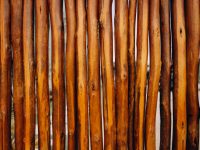
A fragrant, lightweight wood, it is known for its resistance to decay and insect infestation. Often used in applications requiring longevity and stability, the material is not actually a cedar, but belongs to the mahogany family (Meliaceae). An example of its use is in the construction of humidors, where its aroma and moisture-regulating properties are highly valued.
Its inherent qualities make it a preferred choice for various purposes. The wood’s natural oils contribute to its protective characteristics, ensuring the preservation of stored contents and providing a distinct, desirable scent. Historically, it has been employed in shipbuilding, musical instrument crafting, and the production of high-quality furniture, owing to its workability and durability.
The subsequent sections will delve into its specific applications, examine its sustainable sourcing practices, and explore its physical and chemical characteristics in greater detail. Further analysis will also cover best practices for working with the material and comparing it to other suitable alternatives.
1. Aromatic Oils
The presence of aromatic oils is a defining characteristic, significantly influencing its desirable properties and uses. These oils contribute to its distinctive scent, resistance to pests, and overall preservation capabilities.
-
Composition and Fragrance
The oils are composed of various volatile organic compounds (VOCs) that impart its characteristic aroma. This fragrance is often described as slightly spicy and cedar-like, although it is not a true cedar. This scent is not only pleasant but also plays a functional role in repelling insects.
-
Pest Deterrence
Specific compounds within the aromatic oils act as natural insecticides and fungicides. They deter wood-boring insects, such as termites and moths, from attacking the wood. This natural protection is a major advantage, reducing the need for chemical treatments and enhancing the wood’s longevity.
-
Moisture Regulation
The oils contribute to the wood’s hygroscopic properties, enabling it to absorb and release moisture at a moderate rate. This ability is particularly crucial in applications like cigar humidors, where maintaining a consistent humidity level is essential for preserving the quality of the stored cigars.
-
Preservation and Longevity
The oils naturally act as a preservative agent. This agent contributes to the wood’s natural ability to resist decay and rot. The oils help to protect the wood in different conditions and enhance the wood’s longevity and structural integrity.
In summary, the aromatic oils are integral to its performance. The oils make the wood highly sought after for specialized applications where their unique protective and regulatory qualities are of paramount importance.
2. Insect Resistance
The inherent insect resistance of the wood is a key factor driving its desirability and application in various industries. This natural protection stems from specific compounds present within the wood’s composition, offering a significant advantage over other wood types that require chemical treatments to achieve similar levels of protection.
-
Presence of Limonoids
The wood contains limonoids, a class of naturally occurring chemical compounds that act as potent insect repellents. These compounds, specifically those belonging to the phragmalin group, disrupt the insect’s physiological processes, deterring them from feeding on or nesting within the wood. This is especially effective against termites and wood-boring beetles.
-
Repellent Volatile Organic Compounds (VOCs)
The volatile oils present emit aromatic compounds that are offensive to many insects. These VOCs create an environment that is unattractive to pests, reducing the likelihood of infestation. The continuous release of these compounds provides long-term protection without the need for artificial applications.
-
Wood Density and Structure
While not the primary factor, the wood’s moderately dense structure contributes to its resistance. The tightly packed cell structure makes it more difficult for insects to bore into the wood and establish colonies. This physical barrier, coupled with the chemical defenses, provides a multi-layered approach to insect resistance.
-
Reduced Susceptibility to Fungal Decay
Insect infestations are often exacerbated by fungal decay, which softens the wood and makes it more palatable to pests. The natural oils in provide a degree of protection against fungal growth, indirectly reducing the risk of insect attack. This synergistic effect enhances the overall durability and longevity of the wood.
The insect-resistant properties make it a preferred material for applications where durability and longevity are paramount. From constructing humidors to crafting exterior furniture, this attribute reduces maintenance requirements and extends the lifespan of the finished product. This makes it a sustainable and cost-effective choice in the long run, particularly in regions with high insect activity.
3. Dimensional Stability
Dimensional stability, the capacity of a material to maintain its original dimensions despite changes in moisture content or temperature, is a crucial attribute, enhancing its suitability for specific applications. This stability minimizes warping, shrinking, or swelling, preserving the integrity and functionality of structures and objects crafted from it. The cellular structure and chemical composition contribute to this characteristic.
Applications where dimensional stability is paramount include musical instrument construction, fine furniture making, and humidor manufacturing. In musical instruments, a stable wood ensures consistent tonal quality and prevents structural damage due to environmental fluctuations. Similarly, in furniture, dimensional stability minimizes joint stress and surface cracking, ensuring longevity and aesthetic appeal. Humidors rely on this property to maintain consistent humidity levels, essential for preserving cigars; unstable wood could lead to leaks or excessive moisture absorption, compromising cigar quality. For instance, a guitar neck made from unstable wood could warp, affecting playability and intonation; conversely, one crafted from dimensionally stable material will maintain its shape and contribute to consistent performance.
In summary, the dimensional stability of this wood is a significant factor influencing its selection for applications demanding precision and longevity. Understanding this property enables informed material choices, resulting in durable, functional, and aesthetically pleasing products. While not immune to environmental effects, it exhibits a superior resistance to dimensional changes compared to many other wood species, providing a reliable and stable material for diverse uses.
4. Workability
The term workability, when applied to lumber, refers to the ease with which it can be shaped, cut, and finished using various tools and techniques. Possesses a notably high degree of workability, a trait that significantly contributes to its value in woodworking and manufacturing processes. This stems from its consistent grain, moderate density, and relatively low resin content, allowing for clean cuts and minimal tool wear. As a direct consequence, craftsmen can achieve intricate designs and precise dimensions with reduced effort and material waste, positively impacting project efficiency and overall costs. The ability to accept screws, nails, and adhesives readily further enhances its usability in complex assemblies. For example, luthiers prize its workability in crafting guitar necks and bodies, where precise shaping and jointing are paramount for acoustic performance and structural integrity.
The impact of workability extends beyond mere ease of use; it influences the quality and longevity of finished products. Dimensionally stable and easily manipulated, it is less prone to splitting or splintering during processing, resulting in smoother surfaces and more reliable joints. This is particularly crucial in applications like humidor construction, where tight seals and precise dimensions are essential for maintaining optimal humidity levels. The material’s receptiveness to various finishes, including paints, stains, and varnishes, adds to its versatility, allowing for a wide range of aesthetic outcomes without compromising the wood’s inherent properties. The implication of this workability on manufacturability is significant; it leads to reduced production times and a higher yield of usable components, making it economically attractive.
In conclusion, the workability of is a fundamental characteristic that underpins its widespread use in diverse applications. Its ease of manipulation not only simplifies manufacturing processes but also contributes to the quality, durability, and aesthetic appeal of finished goods. While other woods may offer similar properties in certain areas, the unique combination of workability, insect resistance, and dimensional stability makes a consistently preferred choice for demanding projects where precision and longevity are paramount. The understanding of this key attribute is crucial for optimizing woodworking techniques and ensuring the successful implementation of in various construction and manufacturing endeavors.
5. Lightweight nature
The relatively low density of the wood is a notable characteristic, influencing its handling, transportation, and suitability for specific applications. This inherent lightness, compared to many other hardwoods, contributes to its versatility and cost-effectiveness in various industries.
-
Reduced Transportation Costs
The lower weight directly translates to reduced transportation costs, making it more economical to ship over long distances. This is particularly significant for manufacturers and distributors who source from regions where it is abundant. Lower shipping weights also decrease fuel consumption, contributing to a reduced carbon footprint.
-
Ease of Handling and Installation
The lightweight nature facilitates easier handling during manufacturing and installation processes. Workers can move and manipulate the material with less strain, leading to increased productivity and reduced risk of injury. This is particularly advantageous in construction or furniture making, where large pieces must be maneuvered.
-
Structural Applications
While not a primary structural material due to its lower density, the light weight is beneficial in applications where weight is a critical consideration. For instance, in boat building, it can be used for interior components or trim where weight reduction contributes to improved performance and fuel efficiency.
-
Enhanced Buoyancy
The relatively low density contributes to enhanced buoyancy, a valuable characteristic in marine applications. While not as buoyant as balsa wood, its lighter weight provides a degree of natural buoyancy that can be beneficial in certain boat building or watercraft applications.
The lightweight nature complements its other desirable qualities, such as insect resistance and dimensional stability, making it a versatile material for various applications. While not suitable for high-stress structural components, its reduced weight enhances its practicality and cost-effectiveness in numerous industries. This characteristic, combined with its other properties, solidifies its position as a preferred choice for applications where ease of handling and transportation are crucial factors.
6. Heartwood Durability
The heartwood of is highly valued for its natural durability, a characteristic stemming from extractives deposited within the wood cells during the tree’s growth. These extractives, which include various resins, oils, and other organic compounds, render the heartwood resistant to decay, insect infestation, and fungal attack. This inherent resistance significantly extends the lifespan of the wood, making it suitable for applications requiring longevity and structural integrity. For example, when used in exterior applications such as siding or trim, the heartwood’s durability ensures resistance to the elements and biological degradation, minimizing the need for chemical treatments and reducing long-term maintenance costs.
The practical significance of heartwood durability is evident in its traditional use in crafting cigar humidors. The heartwood’s ability to resist decay and mold growth helps maintain a stable environment inside the humidor, preserving the quality and flavor of the cigars. Similarly, in boatbuilding, the heartwood has historically been favored for constructing hulls and decks, where constant exposure to moisture and marine organisms necessitates a durable and rot-resistant material. The economic impact of this durability is considerable; by reducing the frequency of replacement and repair, it provides long-term cost savings and contributes to the sustainability of structures and products made from the wood.
In conclusion, heartwood durability is a defining characteristic, directly influencing its suitability for a wide range of applications. The extractives protect the wood, ensuring longevity. While sapwood lacks this durability, understanding the distinction ensures appropriate use. This makes it a valued material in various construction and manufacturing applications.
Working with Spanish Cedar
The wood presents unique characteristics that require specific handling and processing techniques. Adhering to the following guidelines will optimize results and ensure the longevity of finished projects.
Tip 1: Acclimate the Wood: Before commencing any project, acclimate the to the environment in which it will ultimately reside. Allow the wood to adjust to the ambient temperature and humidity levels for several days to minimize warping or cracking post-construction.
Tip 2: Use Sharp Tools: Its moderate density allows for efficient machining, sharp tools are critical for clean cuts and smooth surfaces. Dull blades can cause tear-out, particularly when working against the grain. Regularly sharpen blades and consider using specialized cutting tools designed for hardwoods.
Tip 3: Pre-Drill Screw Holes: Although is relatively soft, pre-drilling screw holes prevents splitting, especially near edges or ends. Use a drill bit slightly smaller than the screw shank diameter to ensure a secure and lasting connection.
Tip 4: Control Humidity in Humidors: When using to construct humidors, ensure the wood is properly seasoned and kiln-dried to a moisture content of around 6-8%. This helps maintain optimal humidity levels within the humidor, preventing cigar spoilage.
Tip 5: Select Appropriate Adhesives: The wood’s natural oils can interfere with adhesive bonding. Choose adhesives specifically formulated for oily woods, such as epoxy resins or polyurethane glues, to ensure strong and durable joints.
Tip 6: Finish Carefully: The wood accepts a variety of finishes, but proper surface preparation is essential. Sand the surface to a smooth finish before applying stain, paint, or varnish. Consider using a sealer to prevent excessive absorption of the finish.
Tip 7: Address Aromatic Oil Sensitivity: The wood’s aromatic oils, while beneficial for insect resistance, may cause allergic reactions in some individuals. Wear appropriate protective gear, such as gloves and a respirator, when working with the wood to minimize exposure.
Understanding these tips will improve the handling of the wood. The result will be longer lasting wood projects.
The concluding section will summarize the core advantages and discuss the sustainable sourcing.
Conclusion
This exploration of spanish cedar underscores its distinctive qualities and broad applicability. Its inherent insect resistance, dimensional stability, and workability, coupled with its aromatic properties, position it as a material of choice for specific, high-value applications. The responsible harvesting and utilization of spanish cedar remain crucial considerations for ensuring its continued availability and minimizing environmental impact.
Continued research and sustainable forestry practices are essential for preserving this valuable resource. By embracing responsible sourcing and employing best practices in its utilization, the benefits of spanish cedar can be realized for generations to come, balancing economic interests with ecological stewardship.