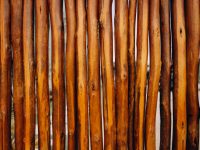
A rare and highly prized hardwood, this material originates primarily from South America. Its distinctive appearance is characterized by dark brown or black heartwood punctuated by irregular markings resembling the patterns found on certain reptiles. These unique visual properties make it a sought-after material for decorative applications, such as bows for stringed instruments, fine furniture inlays, and small turned objects.
The value of this resource stems not only from its aesthetic appeal but also from its exceptional density and strength. Historically, it has been utilized where durability and a striking visual statement are required. Demand consistently outstrips supply due to its limited availability and the challenges associated with its harvesting and processing. This scarcity contributes to its high market price and status as a luxury material.
Given its unique characteristics, the following discussion will delve into specific applications, sustainable sourcing considerations, and alternatives for those seeking similar aesthetic qualities in more readily available materials. Further investigation will reveal the complexities of its trade and the ongoing efforts to ensure its responsible utilization.
1. Rarest tropical hardwood
The designation “rarest tropical hardwood” is inextricably linked to snakewood, representing a core defining characteristic that drives its value and dictates its applications. This classification arises from a confluence of factors that limit its availability and contribute to its elevated market price.
-
Limited Natural Distribution
Snakewood’s geographical range is confined primarily to the rainforests of South America, particularly Guyana and Suriname. This restricted distribution immediately limits the potential volume that can be sustainably harvested. The species is not widely cultivated, further exacerbating scarcity.
-
Low Population Density
Even within its native range, snakewood trees are not abundant. They tend to grow sporadically, scattered throughout the rainforest. This necessitates extensive searching and incurs significant logistical challenges during harvesting, increasing costs and impacting availability.
-
Difficult Harvesting and Processing
The heartwood, the source of the distinctive patterns, often represents a small proportion of the total tree volume. Moreover, the trees can be difficult to locate and access within the dense rainforest. Once felled, processing the wood requires specialized knowledge and equipment due to its high density and tendency to warp or crack if not properly dried.
-
High Demand from Niche Markets
The combination of exceptional physical properties and unique aesthetic appeal drives consistent demand from specialized industries. Luthiers, bow makers, and artisans who create bespoke items value its strength, tonal qualities, and visually striking patterns. This demand further intensifies the pressure on limited supplies.
The convergence of these factorsrestricted habitat, sparse populations, challenging extraction, and specialized demandsolidifies snakewood’s position as one of the rarest tropical hardwoods globally. The ongoing efforts to manage its harvesting sustainably are critical to ensure the future availability of this valuable resource. Alternative materials are being explored but often lack the specific combination of properties that make snakewood so desirable for certain applications.
2. Distinctive spotted pattern
The phrase “distinctive spotted pattern” directly embodies a key characteristic of snakewood, acting as its primary visual identifier. This pattern, resembling the markings of certain snakes, arises from the unique growth structure and the presence of inclusions within the heartwood. The cause of this pattern is not fully understood, but it’s believed to be related to mineral deposition or irregular cell growth during the tree’s development. The degree and intensity of the spotting are highly variable, influencing the material’s commercial value; specimens with well-defined and evenly distributed spots command the highest prices. The importance of this pattern cannot be overstated, as it distinguishes snakewood from other hardwoods and contributes significantly to its appeal for decorative and functional applications. For example, a violin bow crafted from snakewood derives much of its aesthetic value from this characteristic pattern, enhancing its perceived quality and desirability.
The practical significance of understanding the origin and variation of this spotted pattern extends to the selection and processing of snakewood. Experienced woodworkers can assess the quality and stability of the material based on the pattern’s appearance, minimizing waste and maximizing the aesthetic impact of their creations. Additionally, knowledge of how different finishing techniques affect the visibility of the spots allows for customized treatments that enhance the wood’s natural beauty. The pattern guides the orientation of the wood during cutting, ensuring that the most visually appealing surfaces are prominently displayed in the finished product. This attention to detail is particularly critical in high-end applications, such as musical instrument bows, where visual aesthetics contribute directly to perceived value and performance.
In summary, the “distinctive spotted pattern” is not merely a superficial attribute of snakewood but an integral component that defines its identity and dictates its utility. Understanding the underlying causes and practical implications of this pattern is crucial for maximizing the value and minimizing the challenges associated with this rare and prized hardwood. The preservation of snakewood resources and sustainable harvesting practices are essential to ensure that future generations can continue to appreciate and utilize this visually striking material.
3. High density, strength
The terms “high density” and “strength” are fundamental when characterizing snakewood, dictating its suitability for specialized applications where material performance is paramount. These physical attributes are directly correlated with the wood’s cellular structure and composition, contributing to its unique value and limited availability.
-
Exceptional Mass per Unit Volume
Snakewood exhibits an exceptionally high mass per unit volume compared to many other hardwoods. This density translates to increased resistance to deformation under stress, making it ideal for components that require rigidity and dimensional stability. The high density also contributes to its weight, which, while not always desirable, can be advantageous in certain applications, such as balancing objects or providing a sense of solidity.
-
Superior Resistance to Bending and Breaking
The strength of snakewood is manifested in its superior resistance to bending and breaking forces. This characteristic is crucial for applications like bow making, where the wood must withstand repeated flexing without fracturing. The tightly packed cellular structure and high lignin content contribute to this resilience, enabling snakewood bows to deliver consistent and powerful performance.
-
Enhanced Durability and Longevity
The combination of high density and strength enhances snakewood’s overall durability and longevity. Objects crafted from this material are less susceptible to wear and tear, and are more resistant to damage from impact or abrasion. This makes it a valuable choice for items that are intended to last for generations, such as heirloom furniture or high-quality tools.
-
Influence on Acoustic Properties
The density and strength of snakewood directly influence its acoustic properties, making it a preferred material for musical instruments. Its high density contributes to the wood’s ability to transmit sound waves efficiently, resulting in a clear and resonant tone. This is particularly important in stringed instruments, where the wood’s vibrational characteristics significantly impact the instrument’s overall sound quality.
In conclusion, the high density and strength of snakewood are not merely descriptive attributes but defining characteristics that determine its suitability for demanding applications. These physical properties, coupled with its distinctive appearance, contribute to its scarcity and high value in specialized markets, ensuring its continued use in high-performance and aesthetically driven applications. Understanding these aspects is crucial for appreciating its unique place among the world’s hardwoods.
4. Instrument bow material
The selection of materials for crafting bows for stringed instruments is a critical factor influencing both playability and tonal quality. Snakewood has historically been a prized, though increasingly rare, choice for bow makers due to its unique combination of physical properties and aesthetic appeal.
-
Density and Stiffness
The high density of snakewood, exceeding that of many other hardwoods, contributes to the bow’s stiffness. This stiffness allows for precise control over the instrument’s strings, enabling the musician to produce a wide range of dynamics and articulations. Snakewood bows are often favored for their ability to generate a focused and powerful sound.
-
Resilience and Flexibility
While stiffness is essential, a bow must also possess a degree of flexibility and resilience to absorb the energy of the player’s movements and transfer it efficiently to the strings. Snakewood exhibits a balance between these properties, allowing for both responsiveness and control. The natural curve of the wood, when properly shaped, contributes to the bow’s ability to maintain consistent contact with the strings.
-
Acoustic Properties
The acoustic properties of the bow material influence the timbre and resonance of the sound produced by the instrument. Snakewood, due to its dense and homogenous structure, transmits sound waves effectively, contributing to a clear and focused tone. The wood’s natural vibrations are imparted to the strings, enhancing the overall projection and richness of the sound.
-
Aesthetic Value
The distinctive spotted pattern of snakewood adds a unique aesthetic dimension to the bow. This visual appeal is highly valued by musicians and collectors, contributing to the perceived quality and desirability of the instrument. The pattern’s prominence varies depending on the specific piece of wood, making each snakewood bow visually distinct.
The confluence of density, stiffness, resilience, acoustic properties, and aesthetic value has historically positioned snakewood as a premier material for instrument bows. However, its increasing scarcity has led to the exploration of alternative materials. While some alternatives exhibit comparable physical properties, few possess the unique combination of characteristics that make snakewood so highly prized. The future of snakewood bows hinges on sustainable sourcing practices and the continued appreciation of its exceptional qualities.
5. Limited global supply
The phrase “limited global supply” encapsulates a defining characteristic of snakewood, fundamentally shaping its economic value and influencing its use in specialized applications. This limitation is not merely a market fluctuation; it is a persistent condition stemming from the confluence of biological factors, geographical constraints, and unsustainable harvesting practices. The scarcity is primarily rooted in the restricted natural distribution of snakewood trees, found almost exclusively in the rainforests of South America, particularly in areas like Guyana and Suriname. Even within this limited range, the trees are sparsely distributed, occurring at low population densities, which renders harvesting both labor-intensive and economically challenging. As a result, snakewood is consistently extracted in volumes far below those of more common hardwoods, creating an inherent imbalance between supply and demand.
The practical consequences of this limited supply are manifold. The high cost of snakewood is a direct result of its rarity, often making it prohibitive for widespread use and confining it to niche markets where its unique properties and aesthetic appeal justify the expense. A prime example is its application in crafting bows for stringed instruments, where its density and acoustic properties are highly valued, commanding premium prices. This limited availability also necessitates careful resource management and drives the search for alternative materials that can mimic snakewood’s desirable characteristics. However, replicating the specific combination of strength, density, and visual appeal remains a challenge, reinforcing snakewood’s continued desirability despite its scarcity.
In conclusion, the “limited global supply” of snakewood is not simply an economic factor, but a complex interplay of ecological and human-induced constraints. Addressing this scarcity requires a multifaceted approach that includes sustainable harvesting practices, exploration of alternative materials, and increased awareness of the environmental consequences associated with the extraction of rare and valuable resources. Failure to address these challenges will not only jeopardize the future availability of snakewood but also contribute to the broader degradation of the rainforest ecosystems where it grows.
6. Challenging processing
The term “challenging processing” is intrinsically linked to snakewood, serving as a significant obstacle to its wider utilization and a key factor in its high market value. Snakewood presents unique difficulties throughout the conversion process, from felling the tree to producing a finished product. These challenges stem from the wood’s inherent properties and growth patterns, necessitating specialized knowledge, equipment, and techniques to minimize waste and ensure a high-quality outcome. The primary challenge lies in the wood’s high density and hardness, which require substantial force and precision during sawing and shaping. Furthermore, the irregular grain and presence of tension wood often lead to warping or cracking if not properly dried and stabilized. These factors increase processing time, necessitate skilled labor, and ultimately contribute to the high cost of snakewood products. For example, a luthier crafting a violin bow from snakewood must meticulously select and prepare the wood, accounting for its unique grain orientation and potential for distortion during the carving process, a task far more complex than working with more conventional bow woods.
The drying process is particularly critical for snakewood. Due to its density and closed cellular structure, it dries slowly and unevenly, increasing the risk of checking (surface cracks) and internal stresses. Specialized kilns and carefully controlled drying schedules are often employed to mitigate these issues. Even with advanced drying techniques, significant losses can occur due to defects arising during this stage. Moreover, the presence of silica and other minerals in the wood can quickly dull cutting tools, requiring frequent sharpening and increasing the overall processing time. The finishing of snakewood also presents unique challenges. Its dense surface can be difficult to penetrate with stains and finishes, requiring specialized products and application techniques to achieve a smooth and even coating. Achieving a high-gloss finish often involves multiple coats and meticulous sanding, further adding to the labor and skill required. The complexity of these processes explains, in part, the limited availability of snakewood products and their correspondingly high prices in niche markets, such as those for fine musical instruments and luxury accessories.
In summary, the “challenging processing” of snakewood is not merely a technical hurdle but a fundamental aspect of its identity. It affects every stage of production, from raw material acquisition to finished product, and directly influences its cost, availability, and suitability for various applications. Overcoming these challenges requires a combination of specialized knowledge, advanced technology, and skilled craftsmanship. As a result, snakewood remains a premium material, reserved for applications where its unique properties and aesthetic appeal justify the increased processing complexity and associated costs. Sustainable harvesting practices coupled with improvements in processing techniques are essential to ensure the continued availability of this valuable resource for future generations.
Tips Regarding Snakewood
Considerations are outlined below regarding the acquisition, processing, and utilization of this valuable resource. Careful adherence to these guidelines will ensure optimal results and contribute to the responsible use of snakewood.
Tip 1: Verify Authenticity. Due to its high value, imitations are prevalent. Obtain snakewood from reputable suppliers with verifiable sourcing practices to ensure genuine material acquisition. Microscopic examination can confirm the characteristic cellular structure unique to this species.
Tip 2: Prioritize Sustainable Sourcing. Opt for snakewood certified by recognized forestry organizations. Demand for this material can contribute to deforestation if not responsibly harvested. Certifications promote ethical and environmentally sound practices.
Tip 3: Acclimatize Before Processing. Allow the material to acclimatize to the workshop environment before commencing any cutting or shaping. This minimizes the risk of warping or cracking due to moisture content changes. A period of several weeks is generally recommended.
Tip 4: Employ Sharp Cutting Tools. The high density of snakewood necessitates the use of exceptionally sharp cutting tools. Dull tools will generate excessive heat and increase the likelihood of chipping or tear-out. Carbide-tipped blades are generally preferred.
Tip 5: Implement Slow and Controlled Drying. Slow and controlled drying is crucial to prevent cracking. Air drying is preferred, but if kiln drying is necessary, use a low-temperature schedule with gradual humidity reduction. Monitor moisture content meticulously.
Tip 6: Apply a Sealer Before Finishing. Due to its density, snakewood can be difficult to finish evenly. Applying a sealer before the final finish will promote adhesion and prevent blotching. Test the sealer on a small, inconspicuous area first.
Tip 7: Protect Against Moisture Fluctuations. Finished items are susceptible to damage from significant moisture fluctuations. Maintain a stable environment to prevent warping or cracking. Humidifiers or dehumidifiers may be necessary in some climates.
Adherence to these points will maximize the yield and longevity of this premium material. Responsible sourcing and meticulous processing are critical for preserving the value and integrity of snakewood.
The preceding considerations lay the groundwork for a deeper exploration of specific applications and case studies, highlighting the tangible benefits of utilizing these recommended techniques.
Snakewood
This examination has illuminated the multifaceted nature of snakewood, emphasizing its rarity, distinctive visual characteristics, and exceptional physical properties. Its limited global supply, coupled with challenging processing requirements, positions it as a premium material reserved for specialized applications. The information presented has underscored its historical significance, particularly in instrument bow making, while also addressing the growing concerns regarding sustainable sourcing and the exploration of alternative materials.
The future of snakewood hinges upon responsible resource management and ongoing efforts to mitigate the environmental impacts associated with its extraction. A deeper understanding of its unique properties and the implementation of sustainable practices are essential to ensure the continued availability of this valuable resource for future generations, preserving both its economic and aesthetic value.