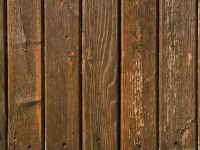
The heartwood derived from citrus trees, particularly those cultivated for fruit production, presents unique characteristics distinct from other hardwoods. Its fine grain and moderate density contribute to workability and suitability for specific applications. The coloration typically ranges from a pale yellow to a light orange, sometimes exhibiting subtle variations within the same piece.
Utilization of this material offers several advantages. Its aromatic qualities make it desirable for smoking foods, imparting a distinct citrus flavor. Historically, it has been employed in crafting small decorative items, tool handles, and occasionally, inlays for furniture. The relatively limited availability of large pieces dictates its use primarily in smaller-scale projects, highlighting its value as a specialty wood.
Subsequent sections will delve into specific applications and properties of this material, focusing on its role in culinary practices, woodworking, and potential sustainable sourcing options. Further analysis will explore its comparative performance against other hardwoods and address considerations for its preservation and finishing techniques.
1. Aromatic smoking
The practice of imparting flavor to food through the combustion of specific woods finds a notable application with material derived from citrus trees. The resulting smoke introduces volatile compounds that penetrate the food’s surface, altering its chemical composition and organoleptic qualities. This process, termed aromatic smoking, is directly influenced by the specific compounds present in the burning wood. In the instance of citrus varieties, the smoke carries a distinctive citrus aroma and flavor profile, a characteristic absent in many other hardwoods commonly used for smoking.
The effect of smoking with this material manifests as a subtle, yet noticeable, enhancement of the food’s inherent flavors. Unlike stronger woods such as hickory or mesquite, it imparts a gentler smokiness, allowing the natural taste of the food to remain prominent. This makes it particularly suitable for delicate foods like fish, poultry, and certain vegetables, where an overpowering smoky flavor would be undesirable. Chefs and culinary enthusiasts often employ this technique to add a layer of complexity to dishes without masking the primary ingredients. For example, smoking salmon with this wood introduces a light citrus note that complements the fish’s natural richness.
In summary, the connection between aromatic smoking and this particular wood hinges on the wood’s inherent chemical composition. The combustion process releases compounds that contribute a mild citrus flavor to smoked foods. The understanding of this relationship enables culinary professionals and home cooks to leverage this wood’s unique properties for specific applications, enhancing the flavor profiles of dishes while preserving the integrity of the underlying ingredients. Challenges remain in consistent sourcing and controlling the combustion process to achieve predictable flavor outcomes.
2. Fine Grain
The term “fine grain,” when applied to wood, describes the tight arrangement of wood fibers within the material’s structure. This characteristic is particularly noteworthy in citrus wood, where the closely packed fibers contribute to several of its desirable properties. The density of the grain directly influences the wood’s workability, its ability to accept finishes, and its overall aesthetic appeal. A wood with a fine grain is generally easier to carve, shape, and sand to a smooth surface, leading to higher quality finished products.
In the case of this material, the fine grain is instrumental in its suitability for crafting small, detailed items such as decorative boxes, handles for specialized tools, and inlays for furniture. The close grain structure allows for intricate carving without splintering or cracking, a significant advantage compared to coarser-grained woods. Furthermore, the density of the grain facilitates the even absorption of finishes, such as oils, waxes, and varnishes, enhancing the wood’s natural color and providing a protective layer. Examples include the creation of knife handles where the fine grain ensures a comfortable grip and resistance to wear, or the production of small turned objects where the wood’s smooth texture contributes to the finished piece’s tactile quality.
Understanding the fine-grained nature of this wood is critical for selecting appropriate tools and techniques for its working and finishing. Its density requires sharp cutting edges to prevent tearing of the fibers. Its even pore structure allows for a wide range of finishes to be applied successfully. The fine grain enhances the visual appeal and durability of products made from it, making it a popular choice for projects where detail and finish quality are paramount. Therefore, fine grain contributes to the value and application of the wood across various domains.
3. Light Density
The characteristic of light density significantly influences the applications and performance of material derived from citrus trees. The specific gravity of this wood falls within a range that dictates its structural properties, workability, and suitability for particular uses. Understanding this density is crucial for determining appropriate applications and predicting its behavior under various conditions.
-
Ease of Workability
The relatively low density facilitates ease of cutting, shaping, and carving. This allows artisans and craftspeople to manipulate the wood with minimal resistance, leading to more intricate designs and faster production times. Examples include the creation of small decorative items and tool handles, where intricate detail and smooth surfaces are desired.
-
Impact on Strength and Durability
While light density enhances workability, it also impacts the wood’s overall strength and durability. This material is not typically used in structural applications where high load-bearing capacity is required. Its strength is sufficient for smaller items and decorative purposes, but it is less resistant to heavy impact and wear compared to denser hardwoods. This characteristic dictates its suitability for specific applications and necessitates appropriate handling and protection in use.
-
Influence on Buoyancy
The light density results in increased buoyancy compared to denser hardwoods. This property might be relevant in specialized applications such as crafting small floating objects or components in marine-related items. However, the use of this material in such applications is not widespread due to its limited availability and durability concerns in wet environments.
-
Effect on Acoustic Properties
The density of a wood influences its acoustic properties, affecting sound transmission and resonance. Material from citrus trees, due to its lighter density, does not possess the robust acoustic qualities required for instruments or high-end audio equipment. However, the material can be incorporated in sound-dampening applications or decorative panels, where its aesthetic properties are more valued than its acoustic performance.
In summary, the interplay between light density and other properties shapes its niche applications. While its workability and aesthetic qualities are advantageous, its lower strength and durability limit its use in demanding structural or high-wear environments. The understanding of these density-related characteristics is crucial for selecting the wood for appropriate projects and ensuring its long-term performance. The wood’s lighter density affects almost everything from workability to acoustic properties which impact final use case.
4. Citrus flavor
The association between the wood and a citrus flavor is primarily manifested through its utilization in culinary smoking. The volatile organic compounds present within the wood, specifically those derived from the citrus oils inherent in the tree, are released during combustion. These compounds, carried within the smoke, adhere to the surface of the food being smoked, thereby imparting a distinctive citrusy aroma and flavor. The intensity of this flavor is contingent on factors such as the wood’s moisture content, the duration of the smoking process, and the specific variety of citrus tree from which the wood originated. Real-world examples include the use of wood derived from orange trees to smoke fish, resulting in a subtle, sweet-citrus flavor profile that complements the fish’s natural characteristics. The practical significance lies in the ability to enhance and diversify culinary offerings, offering a unique alternative to more common smoking woods like hickory or mesquite.
Further analysis reveals that not all citrus woods impart the same degree or quality of citrus flavor. The concentration and composition of volatile compounds vary based on the tree’s growing conditions, age, and species. For instance, wood from lemon trees may exhibit a more tart and acidic flavor profile compared to wood from sweet orange trees. The application of this wood in barbecue and grilling further exemplifies its practical applications. Chefs use this method to add complexity and intrigue to dishes, such as grilled chicken or pork, by subtly infusing the meat with citrus notes. The meticulous control over the smoking process allows for the refinement of the final flavor profile, aligning it with the chef’s intended culinary vision.
In summary, the citrus flavor associated with this wood is a direct consequence of its inherent chemical composition and its interaction with food during combustion. The resulting flavor profile is complex and nuanced, offering a unique culinary dimension. Despite its potential, challenges remain in consistently sourcing specific varieties of citrus wood with predictable flavor characteristics. Understanding these nuances is crucial for culinary professionals seeking to harness the full potential of this unique smoking wood and maintain consistent results in their preparations. The understanding of citrus flavor and how to use with food would be highly important to make it effective.
5. Decorative uses
The intersection of this material and decorative applications stems from its unique aesthetic qualities. The light, warm coloration, combined with its typically fine grain, renders it visually appealing for crafting small, ornamental objects. The wood’s workability allows for intricate carving and shaping, further enhancing its suitability for decorative purposes. This is manifested in the creation of small boxes, picture frames, and turned objects, where the natural grain and color are highlighted to create visually interesting pieces. The relative scarcity of large, defect-free pieces often limits its use to smaller-scale decorative items, increasing their perceived value and exclusivity. Its mild fragrance, retained even after processing, can contribute to the sensory appeal of the finished product, adding an extra layer of desirability.
Further analysis reveals that the specific decorative uses are often influenced by regional availability and cultural traditions. In some areas, it might be favored for crafting small religious artifacts or figurines, while in others, it could be incorporated into inlay work for furniture or musical instruments. The ease with which it accepts finishes allows for a range of aesthetic treatments, from simple oiling to more elaborate staining and varnishing, enabling artisans to tailor the appearance of the wood to specific design requirements. The light weight of the material can also be an advantage in certain applications, such as creating lightweight wall hangings or ornaments.
In summary, the link between the heartwood of citrus trees and decorative applications is predicated on its combination of visual appeal, workability, and manageable size. Its limited availability contributes to the perceived value of objects crafted from it. While not suitable for large-scale structural applications, its aesthetic qualities make it a desirable choice for smaller, decorative items, adding a touch of warmth and natural beauty to a variety of settings. The challenge lies in maintaining sustainable sourcing practices and preserving the traditions associated with its use in decorative arts. The decorative use creates the value and worthiness of the material
Tips on Working with Orange Wood
This section provides guidelines for optimizing the use of the material for various applications, ensuring quality results and longevity of the finished product.
Tip 1: Source Responsibly: Prioritize sourcing from suppliers who practice sustainable forestry. Verify the origin and harvesting methods to ensure environmental responsibility. Select wood free from defects, such as knots or cracks, to minimize waste and maximize usable material.
Tip 2: Control Moisture Content: Accurately measure the moisture content before beginning any project. Ideal moisture levels depend on the intended use; for furniture, aim for equilibrium moisture content (EMC) matching the average humidity of the environment. Kiln-drying the wood to the appropriate EMC minimizes warping, cracking, and dimensional instability.
Tip 3: Utilize Sharp Tools: Employ sharp cutting tools to prevent tearing and splintering of the fine grain. Dull tools can compress the wood fibers, leading to uneven surfaces and difficulty in achieving precise cuts. Sharpen blades frequently to maintain optimal cutting performance.
Tip 4: Employ Light Sanding Techniques: When sanding, begin with a fine grit sandpaper to avoid scratching the wood. Progressively finer grits ensure a smooth, even surface for finishing. Avoid excessive pressure, as this can lead to uneven material removal.
Tip 5: Test Finishes Before Application: Before applying any finish to the entire project, test it on a small, inconspicuous area to assess compatibility and color absorption. This prevents unwanted discoloration or adhesion issues. Allow the test area to dry completely before evaluating the results.
Tip 6: Employ Proper Curing Techniques: Allow finishes to cure completely according to the manufacturer’s instructions. Proper curing ensures the finish hardens and bonds effectively, providing optimal protection against moisture, UV exposure, and wear. Rushing the curing process can result in a weak, compromised finish.
The tips outlined above should contribute to the successful utilization of this unique material. By adhering to these recommendations, users can maximize the inherent qualities of the wood, ensuring both the aesthetic appeal and durability of the finished product.
The concluding section will summarize the key points discussed in this article and provide final considerations for the sustainable and effective use of this specialty wood.
Orange Wood
This exploration has examined the diverse attributes of orange wood, focusing on its unique aromatic qualities in culinary applications, the benefits of its fine grain in detailed woodworking, and the influence of its light density on its structural capabilities. The investigation has also addressed the specific citrus flavor imparted through smoking and its suitability for various decorative purposes. These characteristics, while advantageous in specific contexts, also present limitations that dictate appropriate utilization and handling techniques.
The sustained availability and responsible application of orange wood hinges on continued emphasis on sustainable sourcing practices and mindful utilization. Future endeavors should prioritize research into optimized processing methods to enhance the material’s durability and expand its potential applications, while simultaneously mitigating environmental impacts. A commitment to responsible stewardship will ensure that the unique qualities of orange wood remain accessible to artisans and culinary professionals for generations to come.