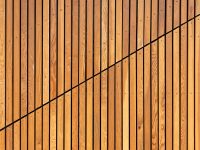
This Southeast Asian hardwood is valued for its consistent color, moderate density, and ease of working. Typically reddish-brown, it displays a fine to medium texture and interlocked grain, contributing to its stability and appealing appearance. Examples of its use include furniture manufacturing, interior joinery, veneer production, and light construction.
The material’s workability allows for intricate designs and smooth finishes, making it a popular choice for high-quality craftsmanship. Its durability, coupled with relative affordability compared to other premium hardwoods, has contributed to its widespread adoption in various applications. Historically, it has been utilized in regional architecture and boatbuilding, reflecting its availability and suitability for tropical climates.
Understanding the characteristics of this timber is essential when considering materials for a range of projects. The following sections will delve deeper into specific applications, sustainability considerations, and comparative analyses with alternative wood species, providing a comprehensive overview of its practical and environmental aspects.
1. Reddish-brown hue
The reddish-brown hue is a defining visual characteristic of this timber. This color arises from the tree’s natural chemical composition and contributes significantly to the timber’s marketability and aesthetic appeal. The presence of extractives within the wood’s cellular structure influences this coloration. Variation in the intensity of the reddish-brown can occur based on factors such as tree age, growing conditions, and specific species within the broader group. For instance, furniture manufacturers often select based on the consistency of this color to ensure uniformity across finished pieces. This consistent and desirable coloring makes it sought after for applications requiring an aesthetically pleasing finish.
The stability of this color, its resistance to fading or significant alteration over time, also contributes to its practical value. When used in interior applications, the reddish-brown tone provides a warm and inviting aesthetic. The ability to complement a range of interior design styles further enhances its appeal. Examples include its use in high-end cabinetry, where the hue integrates seamlessly with other materials and color palettes. The consistency of the color allows designers and manufacturers to predict its performance and match it effectively with other materials.
In summary, the reddish-brown hue serves not only as a visual identifier but also a crucial factor influencing its economic value and practical applications. Understanding the stability and variability of this characteristic is essential for optimizing material selection and ensuring desired aesthetic outcomes. Addressing potential color variations through proper sourcing and finishing techniques is key to maximizing its potential in diverse applications.
2. Moderate density
The moderate density of this hardwood is a critical factor determining its suitability for a range of applications. This property, typically falling within a specific gravity range (e.g., 0.40 to 0.60), influences both its strength and workability. A higher density would increase its resistance to impact and wear, but could also render it more difficult to machine and shape. Conversely, lower density might compromise its structural integrity. The balance achieved in its density provides an optimal compromise. For example, its moderate density allows for the creation of intricate carvings and detailed moldings, without sacrificing the wood’s ability to withstand normal use in furniture construction.
The practical implications of this moderate density extend to processing efficiency and transportation costs. Lower density compared to extremely dense hardwoods reduces wear on cutting tools and machinery. Additionally, the lighter weight contributes to lower transportation expenses, rendering it a more economical choice for large-scale projects. Examples can be found in interior door manufacturing, where the wood’s moderate density allows for efficient milling, shaping, and finishing. This ease of processing translates into cost savings for manufacturers and, ultimately, consumers. Further, it accepts fasteners (screws, nails) readily and provides a stable substrate for adhesives, leading to more durable and reliable joinery.
In summary, the characteristic moderate density is not merely an arbitrary physical attribute. It is a key determinant of its practical applications and overall economic value. This balance between strength, workability, and weight makes it a versatile material suitable for a broad range of woodworking and construction projects. A thorough understanding of its density characteristics facilitates informed decision-making in material selection, ensuring optimal performance and cost-effectiveness.
3. Easy workability
The characteristic of easy workability is intrinsically linked to the widespread use of this hardwood. This attribute stems from its consistent texture and moderate density, allowing for efficient machining, shaping, and finishing with both hand tools and power equipment. The relative lack of silica and other abrasive minerals within the wood structure reduces wear on cutting edges, prolonging tool life and minimizing the risk of tear-out during processing. This ease of manipulation translates directly into reduced manufacturing time and costs, making it a commercially attractive option. Cabinet makers, for example, often select the material for its ability to be cleanly molded and shaped into intricate designs, minimizing the need for extensive sanding or corrective measures.
Further enhancing its appeal, the species exhibits excellent gluing properties, facilitating the creation of strong and durable joints. The even grain structure also promotes uniform absorption of stains and finishes, resulting in a visually consistent and aesthetically pleasing surface. This predictability in finishing is particularly valued in applications such as interior trim and paneling, where a high degree of uniformity is desired. Consider a large-scale paneling project: its easy workability minimizes variations in finish quality, ensuring a consistent aesthetic throughout the installation. Moreover, its ability to hold screws and nails effectively contributes to structural integrity in assembled products.
In summary, the ease of workability is a foundational reason for the extensive utilization of this resource across diverse woodworking applications. This quality reduces processing time, minimizes material waste, and contributes to the creation of high-quality, visually appealing products. Understanding this characteristic is essential for optimizing manufacturing processes and selecting appropriate materials for specific design and structural requirements, balancing both aesthetic and economic considerations. Its consistent performance in machining and finishing, coupled with readily available supply chains, solidifies its position as a preferred material for many woodworkers and manufacturers.
4. Interior applications
The prevalence of this hardwood in interior applications is a direct consequence of its aesthetic qualities, workability, and moderate density. Its reddish-brown hue lends warmth and sophistication to interior spaces, while its ease of machining allows for intricate detailing in furniture and trim. The moderate density contributes to the dimensional stability necessary for interior components, minimizing warping or cracking due to humidity fluctuations. A common example is found in residential construction, where it is frequently used for door frames, molding, and cabinetry. The material’s ability to accept stains and finishes uniformly also makes it highly adaptable to various design styles, from traditional to contemporary.
The importance of its suitability for interior applications as a core component of its market value cannot be overstated. Without these characteristics, its appeal would be significantly diminished. Consider the use of this timber in high-end residential projects. Its consistent grain pattern and color contribute to a cohesive and aesthetically pleasing environment. Furthermore, its durability ensures that interior elements such as doors and cabinetry will withstand daily use. Another example can be found in commercial spaces, where it is often used for paneling and decorative accents, providing a durable and visually appealing surface.
In summary, the link between this specific hardwood and interior applications stems from a convergence of desirable properties. Its aesthetic appeal, ease of processing, and stability make it a versatile and reliable choice for a wide range of interior design and construction projects. Understanding these connections is crucial for architects, designers, and builders in making informed material selections, ensuring both aesthetic satisfaction and long-term performance. Its continued relevance in interior applications underscores its value as a sustainable and aesthetically pleasing building material.
5. Veneer potential
The suitability of this hardwood for veneer production significantly enhances its economic value and expands its applications. This capability stems from the timber’s consistent grain, relatively uniform color, and ease of slicing into thin sheets. The veneer obtained can then be applied to less expensive substrates, creating the appearance of solid hardwood at a reduced cost. Without this veneer potential, the utilization of this timber would be largely restricted to solid wood applications, limiting its market reach. The capacity to produce decorative veneers allows for more efficient use of the resource and opens avenues for applications where solid wood may be impractical or cost-prohibitive, such as large surface areas in furniture or architectural panels.
Real-world examples of this veneer application are plentiful in the furniture industry, where it is frequently used to create high-end looking pieces from more economical core materials. Architectural millwork also benefits, allowing for consistent grain and color matching across large installations. The resulting savings in material cost and reduced weight in finished products, compared to solid wood alternatives, are considerable. Furthermore, using the species as veneer can contribute to sustainability by maximizing the yield from each tree harvested. This optimized usage, coupled with sourcing from responsibly managed forests, reduces the environmental impact of the wood product. It’s also worth mentioning that the process of veneering can also utilize smaller or lower-grade pieces of this timber, that might be unsuitable for solid wood applications, further reducing waste.
In summary, the veneer potential of this hardwood is a crucial aspect of its value proposition, enabling cost-effective and aesthetically appealing applications. By maximizing resource utilization and expanding design possibilities, it plays a significant role in its overall economic and environmental sustainability. Understanding this potential is essential for manufacturers, designers, and consumers seeking to optimize material usage and achieve desired aesthetic outcomes without compromising resource efficiency.
6. Sustainable sourcing
The responsible harvesting of this hardwood is crucial for ensuring the long-term viability of its supply and the preservation of forest ecosystems. Sustainable sourcing practices are therefore essential for maintaining both ecological integrity and economic stability within the regions where this species is harvested.
-
Forest Management Certification
Forest management certification schemes, such as the Forest Stewardship Council (FSC), provide a framework for responsible forest management practices. Obtaining certification for this material involves adherence to specific criteria related to forest regeneration, biodiversity conservation, and protection of indigenous rights. This certification ensures that the material originates from forests managed in an environmentally and socially responsible manner.
-
Traceability and Chain of Custody
Traceability systems track the material from the forest to the end consumer, ensuring that the wood products can be verified as originating from sustainably managed sources. Chain of custody certification further ensures that the integrity of the sustainable material is maintained throughout the supply chain, preventing the mixing of certified material with non-certified material. This transparency builds consumer confidence and supports responsible purchasing decisions.
-
Legal Compliance and Enforcement
Adherence to local and international laws governing timber harvesting is a fundamental aspect of sustainable sourcing. This includes compliance with regulations related to logging permits, environmental protection, and labor standards. Effective enforcement of these laws is critical for preventing illegal logging and ensuring that timber is harvested in a responsible and legal manner. Legal compliance provides a baseline for sustainable practices and contributes to the overall health of forest ecosystems.
-
Community Engagement and Benefit Sharing
Sustainable harvesting practices include engaging with local communities and ensuring that they benefit from the sustainable management of forests. This may involve providing employment opportunities, supporting local infrastructure development, and respecting traditional land rights. Benefit sharing mechanisms can help to ensure that local communities have a vested interest in the long-term health of forests and are actively involved in their sustainable management. Community involvement fosters a sense of stewardship and contributes to the overall sustainability of forestry operations.
Integrating these facets into the sourcing of this timber is crucial for ensuring its long-term availability and for mitigating the environmental and social impacts of timber harvesting. Prioritizing these practices not only protects forest ecosystems but also promotes responsible business practices and consumer awareness. By supporting sustainable sourcing initiatives, the industry can contribute to the preservation of forests and the well-being of local communities.
Practical Considerations for Utilizing the Timber
The following points outline essential considerations when working with this specific hardwood. These are intended to guide material selection, processing, and application to maximize the wood’s potential and ensure project success.
Tip 1: Account for Color Variation: Due to its natural origin, displays inherent color variation. Prior to project commencement, it is advisable to sort and arrange materials to ensure aesthetic consistency, especially for large surface areas or matching components. This proactive step minimizes visual inconsistencies in the final product.
Tip 2: Manage Interlocked Grain: The presence of interlocked grain requires careful attention during machining. Employ sharp cutting tools and controlled feed rates to prevent tear-out. Consider climb milling techniques for particularly challenging areas to achieve a clean, smooth surface.
Tip 3: Properly Season the Material: Ensure it is properly seasoned to the appropriate moisture content before use. Improperly dried wood can warp, crack, or shrink after installation. Utilize a moisture meter to verify suitability and acclimate the material to the environment in which it will be used.
Tip 4: Select Appropriate Fasteners: When joining components, select fasteners appropriate for its density and hardness. Pre-drilling pilot holes is recommended to prevent splitting, particularly when working near edges or ends. Consider using screws rather than nails for increased holding power.
Tip 5: Evaluate Finishing Options: Due to its open grain structure, it readily accepts a variety of finishes. Test different stains and topcoats on a sample piece to determine the desired aesthetic and protection level. Ensure thorough surface preparation before applying any finish to achieve optimal adhesion and appearance.
Tip 6: Consider Environmental Factors: While relatively stable, can still be affected by extreme humidity or temperature fluctuations. When used in environments with high humidity, apply a moisture-resistant finish to protect the wood and prevent warping or swelling.
These guidelines will aid in optimizing the utilization of this timber, ensuring both durability and visual appeal. Implementing these recommendations is crucial for realizing the full potential of this hardwood in diverse woodworking projects.
Understanding and addressing these characteristics will facilitate more effective and efficient use of this material, as the discussion transitions to the conclusion of this exploration.
Conclusion
This exploration has detailed the various facets of nyatoh, encompassing its physical properties, practical applications, and sustainability considerations. The reddish-brown hue, moderate density, and easy workability contribute to its value in interior applications and veneer production. Sustainable sourcing, through forest management certification, traceability, and community engagement, is paramount for ensuring its continued availability.
Understanding these characteristics is crucial for responsible utilization and informed decision-making within the woodworking industry. Continued emphasis on sustainable harvesting practices, coupled with diligent attention to material properties, will dictate the future of nyatoh as a valuable and enduring resource. Further research into enhanced drying techniques and novel applications can expand its utility and contribute to its long-term viability.