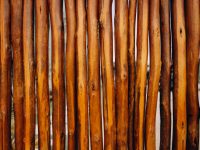
A natural drying oil derived from flax seeds, it is commonly utilized as a wood finish and protective coating. Its application enhances the appearance of wooden surfaces and provides a degree of protection against environmental factors. For example, it can be applied to furniture, flooring, and other wooden objects to enhance their aesthetics and durability.
The use of this oil offers several advantages, including its ability to penetrate wood fibers, providing a flexible and water-resistant finish. Historically, it has been valued for its natural properties and contribution to preserving wooden structures and artifacts. Its application results in a surface that is both aesthetically pleasing and more resilient to moisture and wear.
The subsequent sections will explore specific application techniques, safety considerations, and different types of this oil suitable for various woodworking projects. Information on proper preparation, application methods, and maintenance procedures will be provided to ensure optimal results.
1. Penetration and saturation
Penetration and saturation are paramount when applying it to wood, determining the extent to which the oil infiltrates the wood’s cellular structure. This infiltration is not merely a surface coating; it’s a process where the oil is absorbed into the wood pores, displacing air and moisture. Effective penetration results in a more robust and durable finish, reducing the wood’s susceptibility to dimensional changes due to humidity. For instance, applying several thin coats, allowing sufficient drying time between each, promotes deeper penetration compared to a single thick coat. This method is often observed in the restoration of antique furniture, where preserving the original wood integrity is essential.
The degree of saturation dictates the level of protection achieved. Adequate saturation ensures that the wood fibers are thoroughly impregnated with the oil, providing a consistent barrier against water ingress. Insufficient saturation leaves areas vulnerable, leading to potential warping, cracking, or fungal growth. Consider exterior wood projects, like decking, where proper saturation is crucial for resisting weathering. The visual indicator of saturation is a uniform sheen across the surface, signaling that the wood has absorbed the maximum amount of oil it can hold without leaving excess residue.
Understanding the principles of penetration and saturation allows for a more effective application of this oil, resulting in a longer-lasting and more resilient wood finish. Achieving optimal penetration and saturation presents challenges, such as variations in wood density and species. Addressing these challenges through proper surface preparation and application techniques is key to realizing the protective and aesthetic benefits of this natural wood treatment.
2. Polymerization and Hardening
Polymerization and hardening are fundamental processes that define the transformation of this oil from a liquid state to a durable, protective film on wood surfaces. These chemical reactions determine the finish’s resilience, longevity, and protective capabilities, making them critical considerations in woodworking applications.
-
Oxidative Cross-Linking
The primary mechanism involves oxidative cross-linking, where the oil reacts with oxygen in the air. This reaction initiates the formation of chemical bonds between the oil molecules, creating a complex, three-dimensional network. The process is exothermic, generating a small amount of heat. An example is the use of boiled versions, which contain metallic driers (catalysts) to accelerate this oxidative process. The implications include a reduced drying time and enhanced film formation.
-
Formation of a Solid Matrix
As the cross-linking progresses, the oil transitions from a liquid to a semi-solid, and eventually, a solid matrix. This matrix adheres to the wood fibers, providing a barrier against moisture and physical damage. The degree of hardness is influenced by factors such as the oil’s composition, ambient temperature, and humidity levels. Historical woodworking relied heavily on this natural hardening process, achieving durable finishes without modern synthetic alternatives.
-
Impact of Oil Type on Hardening
Different types, such as raw, boiled, and stand oil, exhibit varying polymerization rates and hardness characteristics. Raw oil polymerizes slowly, resulting in a flexible finish. Boiled oil, with added metallic driers, hardens more rapidly, producing a harder, more durable film. Stand oil, a pre-polymerized form, creates a flexible and glossy finish. The choice of oil type depends on the desired properties of the final finish.
-
Environmental Factors
Environmental conditions significantly impact the polymerization and hardening process. Warm temperatures and adequate ventilation promote faster drying and hardening. Conversely, high humidity and low temperatures can impede the process, prolonging drying times and potentially compromising the finish’s integrity. Understanding these factors is essential for achieving optimal results, particularly in environments with fluctuating conditions.
In summary, polymerization and hardening are essential transformations that enable it to function as a protective and aesthetic wood finish. The rate and quality of these processes are influenced by the oil’s composition, additives, and environmental factors. By carefully considering these elements, woodworkers can achieve a durable, long-lasting finish that enhances the beauty and protects the integrity of wooden surfaces.
3. Protection against moisture
The capacity of this oil to provide protection against moisture is a primary attribute contributing to its widespread use as a wood finish. The application of the oil creates a hydrophobic barrier that impedes the absorption of water into the wood’s porous structure. This preventative action mitigates dimensional changes, such as swelling and contraction, that can lead to warping, cracking, and joint failure. In maritime applications, for instance, wooden boat hulls treated with it demonstrate enhanced resistance to water damage and prolonged structural integrity. Therefore, its role in shielding wood from moisture is not merely cosmetic; it is a crucial component in preserving the material’s physical properties and extending its lifespan.
Furthermore, the mechanism by which the oil provides this protection involves its penetration into the wood’s cellular matrix. Once absorbed, the oil polymerizes, forming a solid network that physically blocks water molecules from entering. The effectiveness of this barrier is contingent on proper application techniques, including thorough surface preparation and multiple coats to ensure complete saturation. Examples include exterior doors and window frames exposed to weather, where its protective properties are essential in preventing rot and decay. Routine reapplication maintains the barrier’s integrity, ensuring continued protection against moisture-related degradation.
In conclusion, the link between moisture protection and this oil lies in its ability to create a durable, water-resistant barrier that safeguards wood from the detrimental effects of water absorption. While it offers significant protection, it is not a completely impermeable shield and requires ongoing maintenance to remain effective. The understanding of this relationship is critical for woodworkers and preservationists aiming to maximize the longevity and structural stability of wooden structures and objects.
4. Enhancement of grain
The application of this oil to wood elicits a pronounced enhancement of the wood’s natural grain pattern. This effect arises from the oil’s ability to penetrate the wood fibers, increasing their refractive index. Consequently, the contrast between the darker and lighter areas of the grain becomes more pronounced, resulting in a richer, more visually appealing surface. The enhancement of grain is not merely an aesthetic improvement; it also serves to highlight the inherent beauty and unique characteristics of different wood species. For instance, on oak, the oil accentuates the medullary rays, while on maple, it brings out the subtle variations in figure. This characteristic makes it particularly favored in applications where the natural beauty of the wood is a primary design consideration.
Furthermore, the enhanced grain definition achieved through the application of this oil contributes to the perceived depth and dimensionality of the wood surface. This effect is particularly noticeable on woods with intricate grain patterns, such as burl or curly maple. The oil’s ability to saturate the wood fibers allows light to penetrate and reflect in a way that accentuates the three-dimensional qualities of the grain. This heightened visual interest adds value to the finished piece, making it more desirable and aesthetically engaging. Cabinet makers and furniture restorers often employ this technique to showcase the inherent beauty of the wood, transforming ordinary surfaces into works of art.
In summary, the enhancement of grain is a significant benefit derived from using this oil as a wood finish. This effect is not simply superficial; it fundamentally alters the way light interacts with the wood, resulting in a richer, more visually appealing surface. Understanding this connection allows woodworkers to leverage the oil’s properties to maximize the beauty and value of their projects. While synthetic finishes may offer similar effects, this oil provides a natural and sustainable option that respects the inherent qualities of the wood, promoting its longevity and aesthetic appeal.
5. Natural, renewable source
The derivation of this oil from flax seeds establishes its status as a natural and renewable resource. Flax, an agricultural crop cultivated for both its seeds and fibers, provides a sustainable source for the oil. This characteristic distinguishes it from petroleum-based finishes, which rely on finite fossil fuel reserves. The renewable nature of this oil ensures its continued availability, contingent upon the sustained cultivation of flax. Agricultural practices promoting soil health and biodiversity further enhance the sustainability of this resource. For example, crop rotation and reduced tillage methods can minimize environmental impact.
The implications of using a natural, renewable finish extend beyond resource availability. It minimizes the carbon footprint associated with synthetic alternatives, reducing reliance on energy-intensive manufacturing processes. The biodegradability of this oil, compared to synthetic resins, contributes to a reduction in long-term environmental pollution. Furthermore, the cultivation of flax often supports rural economies, providing agricultural livelihoods and promoting regional self-sufficiency. The reduced emission of volatile organic compounds (VOCs) during application and curing presents a healthier alternative for woodworkers and end-users, mitigating respiratory and environmental concerns.
In summary, the characteristic of this oil as a natural, renewable source aligns with sustainable practices and minimizes environmental impact. The continued cultivation of flax, coupled with responsible agricultural methods, ensures the ongoing availability of this resource. The use of this natural finish contributes to a reduced carbon footprint, lower VOC emissions, and the support of rural economies. The understanding of this connection is crucial for woodworkers seeking environmentally conscious alternatives to conventional wood finishes, balancing aesthetic appeal with ecological responsibility.
Essential Application Tips
Achieving optimal results requires careful consideration of several key factors. The following tips are designed to guide the user through the application process, ensuring a durable and aesthetically pleasing finish.
Tip 1: Surface Preparation is Paramount: Prior to application, ensure the wood surface is clean, dry, and free of any existing finishes or contaminants. Sanding to a smooth, even surface is essential for optimal penetration and adhesion.
Tip 2: Apply Thin, Even Coats: Multiple thin coats are preferable to a single thick coat. This approach promotes deeper penetration and reduces the risk of surface tackiness or wrinkling during drying.
Tip 3: Allow Sufficient Drying Time: Adhere to recommended drying times between coats, typically 24-48 hours, depending on environmental conditions. Premature re-coating can impede proper curing and compromise the finish’s integrity.
Tip 4: Consider Boiled vs. Raw: Boiled offers faster drying times due to the addition of metallic driers. Raw requires a significantly longer drying period, but offers a more flexible finish. Choose the appropriate type based on project requirements and desired outcome.
Tip 5: Control Environmental Conditions: Ideal application conditions include moderate temperatures and low humidity. Avoid applying in direct sunlight or excessively humid environments, as these factors can negatively impact drying and curing.
Tip 6: Properly Dispose of Rags: Rags soaked in it can spontaneously combust due to exothermic oxidation. Spread used rags flat to dry in a well-ventilated area, or submerge them in water before disposal.
Tip 7: Maintain the Finish: Regular maintenance, including cleaning and occasional reapplication, is crucial for preserving the finish’s protective qualities and aesthetic appeal.
Mastering these application techniques ensures a durable, attractive, and long-lasting wood finish. By understanding these principles, users can maximize its benefits and achieve professional-quality results.
The following sections will delve deeper into advanced application methods and address common challenges encountered during the finishing process.
Linseed Oil for Wood
This exploration has illuminated the multifaceted nature of this treatment, from its fundamental derivation from flax seeds to its practical application as a protective and aesthetic wood finish. The discussion has encompassed its penetrating properties, polymerization process, moisture-resistant capabilities, grain-enhancing qualities, and its inherent sustainability as a natural resource. The presented application tips emphasize the importance of meticulous preparation and controlled environmental conditions to achieve optimal results.
The enduring relevance of this finish lies in its ability to bridge tradition and sustainability. Its continued application represents a commitment to both the preservation of woodworking practices and responsible resource management. Further research and refinement of application techniques will undoubtedly enhance its capabilities and solidify its position as a valuable asset in the pursuit of durable and aesthetically pleasing wood finishes for generations to come.