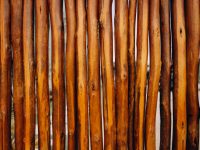
This material, derived from several tree species, exhibits a distinctive figure characterized by prominent medullary rays that create a lacelike pattern on the wood’s surface. Species from the genera Platanus, Cardwellia, and Roupala are known to produce this visually appealing grain. When lumber is quartersawn, these rays are revealed, resulting in the unique aesthetic for which the material is known.
The use of this figured wood enhances the aesthetic appeal of various projects, increasing their value and desirability. Historically, it has been favored in furniture making, decorative veneers, and musical instrument construction due to its unique appearance. Its relative scarcity and attractive visual qualities contribute to its position as a sought-after material for specialty applications.
The subsequent sections will detail the specific tree species that yield this distinctive grain, examine its properties and working characteristics, and explore its various applications in woodworking and design. Furthermore, the article will discuss methods for finishing and preserving this material to maintain its beauty and longevity.
1. Distinct Medullary Rays
The defining characteristic of the visual effect stems directly from the presence of prominent medullary rays within the wood’s structure. These rays, which radiate outwards from the pith of the tree, are significantly larger and more noticeable in species known to produce this lumber than in many other types of wood. When the wood is processed, specifically through quartersawing, these rays become visually emphasized, creating the highly sought-after figure. Without these distinct medullary rays, the characteristic “lacelike” appearance would not be present. The size, density, and arrangement of these rays are therefore critical determinants of the quality and desirability of the material.
Quartersawing is essential to maximize the visual impact of the medullary rays. This cutting method, which involves sawing the log radially, presents the rays as prominent flecks or patterns on the surface of the wood. In contrast, plain sawn lumber, cut tangentially to the growth rings, tends to diminish the visual prominence of the rays. The angle at which the wood is cut relative to the medullary rays dictates the degree to which the characteristic figure is revealed. Consequently, the selection of appropriate sawing techniques is paramount in exploiting the visual potential inherent in timber that possesses these distinct medullary rays.
The interplay between distinct medullary rays and proper sawing techniques is thus integral to producing lumber with the desired effect. While the presence of pronounced rays is a necessary condition, it is the specific method of processing the wood that unlocks the potential of this natural feature, resulting in a valuable and aesthetically pleasing material for various applications. The understanding and deliberate application of these principles are key to maximizing the value and utility of timber that displays this attribute.
2. Quartersawn Figure
The characteristic figure observed in material exhibiting the “lacewood” pattern is intrinsically linked to the quartersawing method. This sawing technique is not merely a method of processing lumber; it is a pivotal factor in revealing the unique visual properties that define the material.
-
Medullary Ray Exposure
Quartersawing, by its radial orientation relative to the tree’s growth rings, maximizes the exposure of medullary rays on the wood’s surface. These rays, which radiate outwards from the center of the tree, are responsible for the distinctive flecks and patterns. Without quartersawing, these rays would be less prominent, and the characteristic visual effect would be significantly diminished. The angle of the cut directly influences the visibility and prominence of the rays.
-
Grain Orientation and Stability
The quartersawn method produces a grain orientation that is inherently more stable than other sawing techniques. This stability translates to reduced warping and cupping, critical considerations in applications such as fine furniture and musical instruments. The vertical grain orientation also contributes to the even distribution of stress, further enhancing the material’s structural integrity. These qualities contribute to the longevity and durability of finished products.
-
Enhanced Visual Depth
Quartersawing not only exposes the medullary rays but also creates an illusion of depth within the wood. This visual depth enhances the aesthetic appeal, adding complexity and richness to the surface. The interplay of light and shadow on the exposed rays contributes to a dynamic visual experience, making the material particularly desirable for decorative applications. This enhanced visual depth is a key attribute that distinguishes quartersawn material from lumber cut using other methods.
-
Material Utilization and Waste
While quartersawing reveals the unique figure associated with “lacewood,” it also typically results in a higher degree of waste compared to other sawing methods. The radial orientation of the cuts necessitates more careful planning and execution to maximize yield. However, the premium placed on the resulting figure often justifies the increased waste, especially when the material is destined for high-value applications. The economic implications of the sawing method must be considered alongside the aesthetic benefits.
The relationship between the quartersawn figure and the “lacewood” aesthetic is therefore symbiotic. The sawing method unlocks the visual potential inherent in the material, while the inherent properties of the wood itself dictate the degree to which the figure is realized. Understanding this relationship is crucial for woodworkers and designers seeking to leverage the unique aesthetic qualities of this distinct type of wood.
3. Species Variation
The term “lacewood” does not refer to a single species but rather to a visual characteristic found in the wood of several different tree genera. This variation in origin significantly influences the appearance, properties, and applications of the lumber.
-
Genus Platanus (Sycamore)
Several species within the Platanus genus, particularly American Sycamore ( Platanus occidentalis), can exhibit the characteristic figure when quartersawn. The medullary rays in Sycamore are often quite pronounced, resulting in a bold and readily identifiable pattern. This variety is relatively common and serves as a commercially available example of the “lacewood” aesthetic.
-
Genus Cardwellia (Queensland Lacewood)
Cardwellia sublimis, native to Australia, is specifically named for its distinctive visual property. The wood from this species typically displays a finer, more intricate figure compared to Sycamore. Due to its geographic limitations and slower growth rate, Cardwellia is less common in international markets and is often considered a more premium selection.
-
Genus Roupala (South American Lacewood)
Various species within the Roupala genus, found in South America, can also produce the visual characteristic. The specific appearance varies depending on the species and growing conditions, but generally, Roupala exhibits a moderately pronounced figure, often with a reddish hue. Availability and specific characteristics vary widely depending on the specific Roupala species.
-
Impact on Working Properties
The species variation directly affects the working properties of the lumber. For instance, Sycamore is known for its tendency to move during changes in humidity, whereas Cardwellia may exhibit greater stability. Hardness, density, and grain tightness also vary among species, influencing cutting, sanding, and finishing characteristics. Therefore, identifying the specific species is crucial for predicting and managing the material’s behavior during woodworking processes.
In summary, the term “lacewood” encompasses a range of species, each contributing unique visual and physical attributes to the lumber. Understanding the specific origin of the wood is essential for predicting its behavior and selecting appropriate applications and finishing techniques. The diversity within these species contributes to both the complexity and the appeal of this distinctive material.
4. Decorative Applications
The inherent visual appeal of this unique type of wood lends itself exceptionally well to a variety of decorative applications. Its characteristic figure transforms ordinary objects into visually striking pieces, enhancing their aesthetic value and desirability. The unique patterns are especially prized in applications where visual impact is paramount.
-
Fine Furniture Inlays and Veneers
A primary decorative application involves the use of thin slices as inlays and veneers on furniture pieces. Its distinctive grain pattern adds a layer of visual complexity and sophistication to otherwise plain surfaces. Cabinetry, tabletops, and decorative boxes frequently incorporate it as a veneer to create focal points and elevate the overall design. The contrast between the distinct grain and the surrounding material enhances the perceived value and craftsmanship of the finished product.
-
Musical Instrument Accents
The material’s visual properties make it suitable for use in musical instrument construction, particularly for decorative accents. Guitar backs, sides, headstocks, and binding often feature this distinct grain pattern to enhance the instrument’s visual appeal. The unique patterns create an attractive contrast with other wood types, appealing to musicians and collectors who appreciate both sound quality and visual aesthetics. The use of the wood in instruments can also signify a higher level of craftsmanship and attention to detail.
-
Luxury Item Detailing
Smaller luxury items, such as jewelry boxes, humidors, and writing instruments, frequently utilize it for detailing and embellishment. The inherent visual appeal elevates the perceived value of these items, transforming them into objects of distinction. Its use in luxury item detailing demonstrates a commitment to quality and aesthetic refinement, appealing to discerning consumers seeking unique and visually captivating products.
-
Artistic Woodworking and Marquetry
Artistic woodworking projects, including marquetry and intarsia, commonly incorporate it to create intricate designs and patterns. Its distinctive grain provides a unique element that enhances the visual complexity and artistic value of these creations. Woodworkers employ it to create focal points, add texture, and achieve striking visual effects in their artwork. The material’s unique appearance lends itself well to detailed and visually engaging woodworking projects.
The widespread adoption of the distinctive wood in decorative applications underscores its enduring appeal and versatility. Its ability to enhance the visual impact of diverse objects, ranging from furniture to musical instruments, positions it as a sought-after material among designers, artisans, and consumers who appreciate the value of aesthetic refinement. The integration of this distinct material transforms ordinary items into objects of visual distinction, elevating their perceived value and artistic merit.
5. Finishing Techniques
The application of appropriate finishing techniques is crucial to both protect and enhance the inherent beauty of lumber exhibiting the characteristic visual pattern. These methods are essential for preserving the material’s longevity, accentuating its grain, and achieving the desired aesthetic outcome.
-
Sealer Application
The initial step often involves applying a sealer to the wood’s surface. This process serves to create a uniform base for subsequent finishing coats, preventing uneven absorption of stains or topcoats. Sealers also minimize the risk of blotching, which can be particularly noticeable on wood with open pores or varying densities. The correct selection of a sealer is paramount to ensure compatibility with the chosen topcoat and to avoid compromising the final finish.
-
Staining and Dyeing
Staining or dyeing can be employed to alter the color of the wood, enhancing its natural tones or creating a specific aesthetic effect. The application of stains or dyes must be performed carefully to ensure consistent color penetration and to avoid obscuring the grain pattern. Gel stains are often preferred for their ability to provide even coverage on woods with varying densities. Experimentation on scrap material is recommended to determine the optimal color and application technique.
-
Topcoat Selection and Application
The selection of an appropriate topcoat is critical for providing protection against wear, moisture, and UV exposure. Common topcoat options include lacquer, varnish, polyurethane, and oil-based finishes. Each type offers varying levels of durability, sheen, and ease of application. The choice of topcoat should be based on the intended use of the finished object and the desired aesthetic qualities. Multiple thin coats are typically preferred over a single thick coat to ensure a smooth, even finish and to minimize the risk of runs or drips.
-
Polishing and Buffing
The final stage of the finishing process may involve polishing and buffing to achieve the desired sheen and smoothness. Polishing compounds and buffing wheels are used to remove imperfections and create a uniform surface. The level of sheen can be adjusted by selecting appropriate polishing compounds and buffing techniques. This step enhances the tactile qualities of the finished surface and contributes to the overall visual appeal of the wood.
These finishing techniques are instrumental in maximizing the visual impact and preserving the structural integrity of items crafted from this distinct material. Through careful selection and application of sealers, stains, topcoats, and polishing methods, woodworkers can ensure that the characteristic figure remains prominent and protected for years to come. The appropriate finish not only enhances the wood’s aesthetic appeal but also contributes to its long-term durability and resistance to environmental factors.
Lacewood
Achieving optimal results when working with this distinctive material requires adherence to specific best practices. The following tips offer guidance on processing, finishing, and maintaining items crafted from wood exhibiting its characteristic figure.
Tip 1: Prioritize Quartersawn Material: Select quartersawn lumber whenever possible. This sawing method maximizes the visibility of the medullary rays, which are essential for the characteristic appearance. Plain sawn lumber will not exhibit the same visual effect.
Tip 2: Manage Moisture Content: This material is susceptible to movement due to changes in humidity. Ensure that the lumber is properly acclimated to the environment where it will be used before beginning any woodworking project. Monitor moisture content with a reliable meter.
Tip 3: Use Sharp Cutting Tools: The interlocking grain can cause tear-out during machining. Employ sharp cutting tools and maintain proper cutting angles to minimize this risk. Consider using a backer board when cutting across the grain.
Tip 4: Sand with Care: Sanding should be performed with a gradual progression of sandpaper grits to avoid scratching the surface. Take extra care when sanding areas where the grain changes direction, as these are prone to uneven removal.
Tip 5: Apply a Sealer Before Finishing: A quality sealer will create a uniform base for topcoats and prevent uneven absorption of stains or dyes. This is particularly important for woods with varying densities.
Tip 6: Test Finishes on Scrap Material: Experiment with different finishing products and techniques on scrap pieces before applying them to the final project. This allows for fine-tuning the color and sheen without risking damage to the finished piece.
Tip 7: Consider a Clear Finish: To fully showcase the unique figure, a clear finish is often the best choice. This allows the natural color and grain pattern to remain prominent without being obscured by tinted stains.
Adhering to these tips will contribute to successful projects and long-lasting items made from this visually distinctive material. Careful attention to detail throughout the woodworking process is essential for achieving professional results and maximizing the wood’s aesthetic potential.
The subsequent section will provide a conclusion to summarize the properties and appropriate applications of this unique wood.
Conclusion
The preceding sections have provided a comprehensive overview of “lacewood,” detailing its origins, characteristics, applications, and finishing techniques. This material, derived from various tree species, is distinguished by its prominent medullary rays that create a lacelike figure when quartersawn. The unique aesthetic makes it highly desirable for decorative applications, including fine furniture, musical instruments, and luxury item detailing. Understanding the nuances of species variation, moisture management, and appropriate finishing methods is crucial for maximizing the material’s potential and ensuring long-term durability.
Continued exploration and responsible sourcing of “lacewood” are essential to preserve its availability and appreciate its distinctive qualities. Woodworkers, designers, and consumers are encouraged to consider the environmental impact of their choices and to support sustainable forestry practices. The enduring appeal of this material ensures its continued relevance in woodworking and design, provided it is managed and utilized with care and respect.