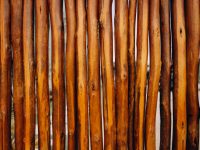
The heartwood derived from trees in the Cupressus genus is a durable and often fragrant material utilized in a variety of applications. Its resistance to decay, coupled with its characteristic grain patterns, contributes to its desirability in both construction and craftsmanship. An example of its practical application can be found in the construction of outdoor structures, where its inherent properties offer longevity against environmental factors.
The significance of this material lies in its natural resistance to moisture, insects, and fungal decay, making it a preferred choice for projects demanding long-term durability. Historically, it has been employed in shipbuilding, roofing, and the creation of durable furniture. Its use extends beyond purely functional applications, often being selected for its aesthetic qualities, which enhance the visual appeal of finished products. These combined factors establish its value in both historical and contemporary contexts.
The following sections will delve into the specific applications of this versatile resource, exploring its properties, sustainable sourcing, and best practices for its utilization in construction and design. Attention will be given to its role in different environments and the preservation of its unique qualities through appropriate treatment and maintenance.
1. Durability against elements
The capacity of cypress heartwood to withstand environmental stressors is a primary factor contributing to its enduring value in construction and design. Its inherent resistance to decay, coupled with specific physical properties, enables prolonged performance in diverse and often harsh conditions.
-
Natural Oils and Extractives
Cypress contains natural oils and extractives, such as cypressene, that act as preservatives. These compounds inhibit the growth of decay-causing fungi and deter insects. The concentration of these substances varies with species and age, but their presence is consistently a key contributor to the wood’s longevity in outdoor applications.
-
Moisture Resistance
The cellular structure of cypress impedes water absorption. While not entirely waterproof, it absorbs moisture at a slower rate compared to many other softwoods. This characteristic minimizes the risk of warping, cracking, and other forms of moisture-related damage, particularly in environments with high humidity or frequent precipitation. This reduces the likelihood of structural degradation in outdoor installations.
-
Resistance to Fungal Decay
The aforementioned extractives in cypress heartwood provide a natural defense against various species of fungi that commonly attack wood. This resistance significantly reduces the need for chemical treatments, thereby mitigating the potential environmental impact associated with conventional wood preservation methods. The inherent antifungal properties enhance the lifespan of cypress structures, particularly in damp or shaded locations.
-
Dimensional Stability
Compared to other softwoods, cypress exhibits relatively low shrinkage and swelling when subjected to fluctuations in humidity. This dimensional stability minimizes the risk of joint failure and structural instability in constructions, particularly in climates with significant seasonal variations in temperature and humidity. Its stability contributes to the long-term integrity of structures.
These interconnected facets of durability collectively define the suitability of cypress for applications exposed to environmental elements. From siding and decking to exterior trim and outdoor furniture, its natural resistance ensures extended service life and reduced maintenance requirements, solidifying its position as a valuable material in sustainable construction practices.
2. Natural Insect Resistance
The inherent capacity of cypress heartwood to repel insects constitutes a significant advantage in construction and outdoor applications. This resistance is primarily attributable to the presence of specific compounds, notably cypressene and other volatile oils, within the wood’s cellular structure. These substances function as natural deterrents, interfering with insect feeding and reproductive cycles, thereby mitigating the potential for infestation and subsequent structural damage. The presence of these natural insecticides within the heartwood is a crucial component of its overall durability and longevity. For example, cypress has been historically used in the construction of water tanks and silos, where its insect-repelling properties prevent contamination and structural weakening by insects like termites and wood-boring beetles.
The practical implications of this natural resistance are considerable. Structures built with cypress wood often require less chemical treatment to prevent insect infestation compared to those constructed with other wood species. This reduces the environmental impact associated with synthetic insecticides and preservatives, aligning with sustainable building practices. Furthermore, the natural resistance of cypress can extend the lifespan of structures, reducing the frequency of repairs and replacements. Instances can be found in the preservation of historic buildings, where cypress has proven more resistant to insect damage over extended periods compared to other, less naturally resistant, wood varieties.
In summary, the natural insect resistance of cypress heartwood is a crucial factor in its value as a building material. The presence of inherent insecticidal compounds, such as cypressene, provides a natural defense against infestation, reducing the need for chemical treatments and extending the lifespan of structures. While the effectiveness of this resistance can vary depending on the specific insect species and the age of the cypress wood, it consistently offers a substantial advantage over other wood alternatives, contributing to sustainable and durable construction solutions. The challenge lies in maintaining sustainable harvesting practices to ensure the continued availability of cypress resources for future generations.
3. Distinctive aromatic oils
The presence of distinctive aromatic oils within cypress wood constitutes a defining characteristic influencing both its durability and aesthetic qualities. These oils, primarily composed of terpenes such as cypressene, are synthesized by the tree as a natural defense mechanism. The effect of these compounds is twofold: they impart a characteristic aroma and contribute to the wood’s resistance to decay and insect infestation. The concentration and specific composition of these oils vary depending on the species of cypress, the tree’s age, and environmental factors, but their presence is consistently associated with superior wood quality. An example of this can be observed in the storage of textiles and sensitive materials, where the aromatic properties of cypress deter pests and mold, providing a natural preservative effect.
Further examination reveals the practical significance of these aromatic oils in the context of wood preservation. The volatile nature of the oils allows them to penetrate deeply into the wood’s cellular structure, creating an inhospitable environment for fungi and insects. This natural impregnation reduces the need for chemical treatments, enhancing the wood’s sustainability profile. The use of cypress in outdoor furniture and structural elements illustrates this point; the oils act as a barrier against moisture and biological degradation, extending the lifespan of the material. The distinct aroma also serves as an indicator of wood quality, with a stronger scent generally correlating with a higher concentration of protective oils. These oils enhance the wood’s value by ensuring structural longevity and reducing the environmental impact associated with preservation.
In conclusion, the distinctive aromatic oils present in cypress wood play a critical role in its overall performance and desirability. Their contribution to durability and pest resistance, coupled with their unique scent profile, positions cypress as a valued material in various applications. While the exact composition and concentration of these oils can vary, their presence remains a key determinant of cypress wood’s quality. Continued research into the specific properties of these oils and their interactions with environmental factors is necessary to optimize the utilization of cypress wood and ensure its long-term sustainability in construction and design. Further studies will serve to address concerns regarding sustainable harvesting and the preservation of these valuable resources for future applications.
4. Workability and finishing
The capacity of cypress heartwood to be readily shaped, joined, and refined into a finished product represents a significant aspect of its utility in woodworking and construction. This characteristic, often referred to as workability, is further enhanced by the wood’s ability to accept a variety of finishes, influencing both the aesthetic appeal and protective qualities of the resultant product. Understanding these attributes is crucial for optimizing the use of cypress in diverse applications.
-
Ease of Cutting and Shaping
Cypress exhibits a relatively soft texture compared to many hardwoods, facilitating ease of cutting, planing, and shaping using both hand tools and power equipment. This property minimizes tool wear and reduces the physical effort required for fabrication. For example, the creation of intricate moldings and detailed carvings from cypress is often more efficient due to its manageable density, leading to reduced production times and costs in woodworking projects.
-
Glue Adhesion
The cellular structure of cypress allows for effective penetration and bonding of adhesives, resulting in strong and durable joints. This characteristic is particularly important in the construction of furniture, cabinetry, and other structural components where reliable joinery is essential. The ability to form robust bonds with adhesives contributes to the long-term stability and integrity of cypress wood assemblies.
-
Acceptance of Finishes
Cypress wood readily accepts a variety of finishes, including paints, stains, and sealants, allowing for customization of appearance and protection against environmental factors. Its relatively uniform texture promotes even absorption of finishes, resulting in a consistent and aesthetically pleasing surface. For instance, the application of a clear sealant on cypress decking can enhance its natural color and grain patterns while providing a barrier against moisture and UV degradation.
-
Nail and Screw Holding
While cypress is softer than hardwoods, it offers adequate nail and screw holding capacity for many construction and woodworking applications. Proper fastening techniques, such as pre-drilling pilot holes, can further enhance the strength and durability of connections. This attribute is essential in applications such as siding installation and fence construction, where secure fastening is critical for structural integrity.
These facets of workability and finishing collectively contribute to the versatility and appeal of cypress heartwood. Its ease of manipulation and receptiveness to various finishes make it a preferred choice for a range of projects, from intricate woodworking to durable outdoor structures. The ability to efficiently shape, join, and protect cypress enhances its value in both functional and aesthetic contexts, reinforcing its position as a valued material in sustainable construction and design.
5. Sustainable sourcing practices
The long-term availability and ecological integrity of cypress forests are inextricably linked to the implementation of sustainable sourcing practices. The increasing demand for cypress wood necessitates responsible forest management to prevent deforestation, habitat loss, and the degradation of ecosystem services. Sustainable sourcing encompasses a range of strategies, including selective harvesting, reforestation efforts, and the certification of responsibly managed forests. The failure to adopt such practices can lead to the depletion of cypress resources and significant environmental consequences. For instance, in certain regions of the Southeastern United States, where cypress is prevalent, unregulated harvesting has resulted in wetland degradation and reduced biodiversity. Certified sustainable cypress ensures that harvesting operations adhere to strict environmental standards, maintaining forest health and preserving ecological functions.
Certification programs, such as those offered by the Forest Stewardship Council (FSC), provide a framework for evaluating and verifying sustainable forestry practices. These certifications assess various aspects of forest management, including timber harvesting methods, protection of water quality, conservation of biodiversity, and community engagement. Cypress wood products bearing the FSC label indicate that the timber originates from forests managed in an environmentally responsible and socially beneficial manner. The adoption of these certifications by landowners and timber producers encourages the implementation of sustainable practices across the supply chain. Architects and builders specifying certified cypress wood contribute to the demand for responsible forestry, incentivizing sustainable management practices and supporting the long-term health of cypress ecosystems. The impact of this chain can be observed in the increasing acreage of certified cypress forests, reflecting a growing commitment to sustainable sourcing.
In conclusion, sustainable sourcing practices are essential for ensuring the continued availability of cypress wood and the preservation of cypress ecosystems. The implementation of responsible forest management techniques, coupled with independent certification programs, provides a mechanism for verifying sustainable sourcing and promoting responsible consumption. By supporting certified cypress wood products, consumers, builders, and designers contribute to the long-term health and sustainability of cypress forests, mitigating environmental impacts and preserving the ecological integrity of these valuable resources. The future of cypress as a viable material is contingent upon the widespread adoption and enforcement of sustainable sourcing practices.
Cypress Wood
Maximizing the benefits and longevity of cypress wood requires adherence to specific guidelines during selection, handling, and application. These tips are designed to provide practical advice for those working with this valuable resource.
Tip 1: Select Heartwood for Exterior Applications: Prioritize the selection of heartwood, which is the inner portion of the tree, over sapwood for exterior applications. Heartwood contains a higher concentration of natural preservatives, enhancing its resistance to decay and insect infestation. Ensure that a significant portion of the lumber order consists of heartwood to maximize durability.
Tip 2: Acclimatize Before Installation: Allow cypress wood to acclimatize to the environmental conditions of the installation site for several days prior to construction. This process reduces the potential for warping, cracking, or shrinkage after installation. Store the wood in a well-ventilated area, protected from direct sunlight and moisture.
Tip 3: Use Appropriate Fasteners: Employ corrosion-resistant fasteners, such as stainless steel or hot-dipped galvanized nails and screws, when working with cypress wood, particularly in exterior applications. These fasteners prevent unsightly staining and minimize the risk of structural failure due to corrosion. Verify that the fastener gauge is appropriate for the thickness of the wood being joined.
Tip 4: Apply a Water-Repellent Sealant: Even though cypress wood is naturally resistant to moisture, applying a water-repellent sealant can further enhance its durability and prevent water damage. Choose a sealant specifically formulated for wood and follow the manufacturer’s instructions for application. Reapply the sealant periodically to maintain its protective qualities.
Tip 5: Ensure Proper Ventilation: Proper ventilation is crucial for preventing moisture buildup and promoting the longevity of cypress wood structures. Ensure that air can circulate freely around decks, siding, and other exterior applications. This ventilation will reduce the risk of fungal growth and decay.
Tip 6: Consider a Borate Preservative for Enhanced Protection: For applications in particularly damp or insect-prone environments, consider treating cypress wood with a borate preservative. Borate preservatives offer additional protection against decay fungi and wood-boring insects without significantly altering the wood’s appearance or properties. Apply according to the product label to ensure effectiveness and safety.
Tip 7: Maintain Regular Inspections: Conduct regular inspections of cypress wood structures to identify any signs of decay, insect infestation, or damage. Promptly address any issues to prevent further deterioration and extend the lifespan of the structure. Implement a maintenance schedule that includes cleaning, sealing, and repairing as needed.
Adhering to these guidelines will optimize the performance and longevity of cypress wood, ensuring its value as a durable and sustainable building material. Proper selection, handling, and maintenance are essential for realizing its full potential.
The succeeding section will provide a concluding overview summarizing the core benefits of cypress wood and its contributions to both practical and aesthetic applications.
Conclusion
This exploration of cypress wood has underscored its inherent properties, ranging from durability and insect resistance to workability and aesthetic appeal. The material’s long-standing utilization in construction and design stems from its natural attributes, which contribute to structural longevity and reduced maintenance requirements. Sustainable sourcing practices are critical to ensure the continued availability of this valuable resource and the preservation of the ecosystems it inhabits.
The responsible selection, application, and stewardship of cypress wood will determine its enduring significance in both functional and aesthetic domains. A continued commitment to sustainable forestry and informed utilization is imperative to safeguard its value for future generations. The future is in our hands.