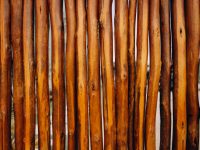
Material derived from trees of the Castanea genus, specifically the American, European, Chinese, and Japanese species, yields a uniquely valuable product. The heartwood is typically a light to dark brown, exhibiting a coarse texture and distinct growth rings. It is known for its durability and resistance to decay due to the presence of tannins.
Historically prized for its strength and workability, the timber was extensively used in construction, furniture making, and cooperage. Its natural resistance to rot made it an ideal choice for exterior applications such as fence posts, shingles, and siding. The decline of the American species due to chestnut blight has significantly impacted its availability and increased its value.
This resource remains sought after for specialty projects, restoration work, and applications where its unique characteristics are particularly beneficial. Further exploration will delve into specific uses, identification techniques, and sustainable sourcing considerations for this valuable timber.
1. Durability
The long-lasting nature of material derived from Castanea species is a key attribute contributing to its historical value and continued desirability. Its inherent resistance to degradation makes it suitable for applications where longevity is paramount.
-
Tannin Content and Decay Resistance
The presence of tannins within the wood acts as a natural preservative, inhibiting the growth of fungi and insects that cause rot. This intrinsic resistance to decay significantly extends the lifespan of structures and objects crafted from the material, particularly in environments exposed to moisture and humidity.
-
Resistance to Insect Infestation
Beyond fungal decay, the wood’s composition deters many common wood-boring insects. This inherent protection reduces the need for chemical treatments and contributes to the material’s environmental sustainability over its lifespan.
-
Dimensional Stability
Compared to some other hardwoods, this type of wood exhibits relatively good dimensional stability, meaning it is less prone to warping, cracking, or shrinking in response to changes in humidity. This stability contributes to the structural integrity and long-term performance of objects built with it.
-
Historical Applications and Longevity
The durability is evidenced by numerous historical structures and artifacts that have survived for centuries. Barns, houses, and furniture constructed using it demonstrate its ability to withstand the test of time, providing tangible proof of its robust nature.
The inherent durability is a defining characteristic, making it a sought-after material for both historical preservation and new construction projects where longevity and resistance to decay are essential considerations. This characteristic, coupled with its other desirable properties, solidifies its position as a premium timber choice.
2. Workability
The relative ease with which this timber can be shaped, cut, and joined is a significant factor contributing to its historical popularity and continued appeal for specialized applications. Its moderate density and straight grain allow for efficient processing using both hand tools and machinery. This characteristic made it a preferred material for carpenters, joiners, and furniture makers throughout history.
The impact of workability is evident in the intricate detailing often found in antique furniture and architectural elements crafted from it. Fine moldings, carved details, and precise joinery are more readily achieved with a material that responds well to tooling. The ease of nailing and screwing, without excessive splitting, also contributes to efficient construction processes. For example, historic barns, often built with mortise and tenon joints, showcase the practicality of this timber’s workability in large-scale construction.
Understanding the workability characteristics is crucial for modern craftspeople and restoration specialists. While the availability of original timber is limited, salvaged material is often used in repair or reproduction projects. Recognizing its cutting and shaping properties allows for proper tool selection and techniques, minimizing waste and maximizing the quality of the finished product. The understanding supports sustainable utilization efforts and ensures the preservation of historical building techniques.
3. Aesthetic Appeal
The visual attractiveness of timber derived from the Castanea genus contributes significantly to its value and desirability, influencing its selection for furniture, interior finishes, and decorative applications. The wood’s inherent characteristics, including grain patterns, color variations, and finishing properties, contribute to its overall aesthetic quality.
-
Grain Pattern and Texture
The distinct grain patterns, characterized by prominent growth rings and occasional burl formations, impart a unique visual texture. The coarse texture adds depth and character, creating visual interest on surfaces. Different sawing techniques can further accentuate these patterns, enhancing their decorative appeal.
-
Color Variations and Aging
The heartwood exhibits a range of colors from light tan to rich brown, influenced by species, age, and environmental factors. Exposure to light and air can further alter the color over time, deepening its richness and adding a patina that enhances its aesthetic value. This aging process contributes to the unique character of antique furniture and architectural elements.
-
Finishing Properties and Enhancement
The timber readily accepts a variety of finishes, including stains, varnishes, and oils. These finishes can accentuate the wood’s natural color and grain patterns, providing options for customization and design. The application of appropriate finishes also protects the surface and enhances its longevity, preserving its aesthetic appeal for years to come.
-
Historical Significance and Association
The visual character of this wood evokes a sense of history and tradition. Its association with antique furniture, historic buildings, and handcrafted objects contributes to its perceived value and desirability. The visual qualities connect the timber to a rich cultural heritage, enhancing its appeal for collectors and enthusiasts.
The interplay of grain, color, finishing properties, and historical associations coalesce to define the aesthetic appeal. This attribute remains a primary consideration for those seeking to incorporate a touch of timeless beauty and character into their projects, driving continued interest in both reclaimed and sustainably sourced material. Understanding these elements informs effective selection and utilization, ensuring that the visual potential is fully realized.
4. Tannin Content
The presence of tannins in Castanea species timber is a defining characteristic influencing its durability, color, and historical applications. Tannins are naturally occurring polyphenols that contribute significantly to the wood’s resistance to decay and insect infestation, impacting its longevity and suitability for various uses.
-
Natural Preservative Properties
Tannins act as a natural biocide, inhibiting the growth of fungi and bacteria that cause wood rot. These compounds bind to proteins in the cell walls of microorganisms, effectively preventing their proliferation and decay of the wood. This natural preservation extends the service life of structures and objects made from the material, particularly in environments conducive to decay.
-
Insect Resistance Mechanism
The presence of tannins also deters many wood-boring insects. The compounds impart an unpalatable taste or even toxicity to the wood, discouraging insects from feeding on it. This resistance to insect attack reduces the need for chemical treatments and contributes to the long-term integrity of the material.
-
Color and Appearance Effects
Tannins contribute to the characteristic brown coloration of the heartwood, with variations in tannin concentration resulting in different shades and tones. These compounds can also react with iron and other metals, leading to staining or discoloration. Understanding these interactions is crucial for selecting appropriate fasteners and finishes to avoid unwanted aesthetic effects.
-
Historical Uses and Applications
The high tannin content made it ideal for various historical applications, including tanning leather. The tannins extracted from the wood and bark were used to convert raw animal hides into durable leather products. This historical connection highlights the versatility of the tree and its importance in traditional industries.
The tannin content is a crucial element defining its qualities. From imparting natural preservative properties to influencing its color and historical applications, these compounds play a significant role in the timber’s overall value and suitability for various purposes. A comprehensive understanding of this connection is essential for informed selection and utilization.
5. Historical Significance
The historical significance of Castanea species, particularly the American species prior to the blight, is inextricably linked to the material derived from it. This wood was a keystone resource, profoundly shaping the landscape, economy, and material culture of the eastern United States. Its abundance and desirable properties created a reliance that profoundly altered once the blight decimated the American population. The sheer volume of the timber in use is exemplified by its ubiquity in early American barns, homes, and fencing, elements that collectively defined the rural landscape. The rapid decline of this resource serves as a stark reminder of the potential consequences of ecological disruption.
Furthermore, the properties of the timber made it essential for specific industries. The natural resistance to decay ensured its widespread use in railway ties and telegraph poles, crucial infrastructure components during the rapid expansion of the 19th century. The high tannin content facilitated the leather tanning industry, a vital economic activity in many regions. Even the nuts themselves were a significant food source for both humans and livestock, contributing to rural self-sufficiency. Thus, understanding the historical significance is understanding a complex web of interconnected relationships between a natural resource and human society.
The legacy of this species continues to influence forestry management practices, conservation efforts, and the search for blight-resistant strains. The widespread use prior to the blight serves as a benchmark for assessing the potential ecological and economic benefits of restoring species to its former prominence. The challenges of its loss and the efforts to revive it highlight the importance of biodiversity and the need for sustainable resource management, ensuring responsible use of timber for generations to come. This legacy also emphasizes the inherent value in preserving heirloom crafts and building techniques that rely on this exceptional material where possible, for the purposes of historical preservation and to maintain skills in woodworking.
“Chestnut Wood” Utilization
Strategic selection and utilization of Castanea timber requires careful attention to its characteristics and limitations, ensuring optimal performance and longevity in various applications. These guidelines emphasize best practices for working with this unique material, particularly in light of its limited availability and historical context.
Tip 1: Verify Species and Origin: Accurately identify the wood source. True Castanea differs significantly from other similar-looking timbers. Knowing the species and origin (e.g., reclaimed versus sustainably harvested) impacts both value and performance characteristics. Document the provenance if possible.
Tip 2: Assess Moisture Content: Allow material to acclimate to the intended environment before fabrication. Excessive moisture can lead to warping, cracking, or dimensional instability. Use a moisture meter to verify appropriate levels, particularly for furniture or interior applications.
Tip 3: Pre-Drill for Fasteners: The timber can be prone to splitting, especially near edges. Pre-drilling pilot holes before driving screws or nails is crucial for preventing damage and ensuring secure joinery. Consider using self-tapping screws designed for hardwoods.
Tip 4: Select Appropriate Finishes: Tannins can react with certain finishes, causing discoloration. Test finishes on a small, inconspicuous area before applying them to the entire surface. Oil-based finishes often enhance the natural grain and color of the wood.
Tip 5: Prioritize Conservation: Given the limited availability of certain types of Castanea, consider using it strategically in high-impact areas or for accent pieces. Explore alternative, more readily available wood species for less critical components.
Tip 6: Respect Historical Context: When working with reclaimed timber, consider preserving its historical character. Patina, nail holes, and other imperfections can add to its value and tell a story. Avoid overly aggressive sanding or refinishing that removes these features.
Tip 7: Properly Store the Timber: Proper stacking and air circulation are vital to prevent moisture build up and fungal attacks. Always store timber away from direct ground contact.
Adhering to these best practices helps to maximize the value and longevity while respecting its unique qualities. Thoughtful selection and utilization ensure that the material will continue to be appreciated for generations to come.
These guidelines provide a foundation for making informed decisions about this unique resource, paving the way for a deeper exploration of its specific applications and sustainable sourcing strategies.
Conclusion
This exploration has illuminated the significant attributes of chestnut wood, from its inherent durability and workability to its aesthetic appeal and historical importance. The unique combination of tannin content and structural integrity established the wood as a valuable resource for diverse applications. The decimation of the American species serves as a cautionary tale about ecological vulnerability and the enduring impact on resource availability.
Continued research, responsible sourcing practices, and innovative utilization strategies are essential for ensuring the long-term viability. The preservation of existing stock and the development of blight-resistant varieties offer a path toward restoring this resource to its former prominence. A commitment to sustainable management is crucial for future generations to benefit from this distinctive and historically significant timber.