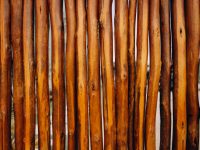
The material in question originates from trees belonging to the Cedrus and Juniperus genera, among others. It is characterized by a distinctive aromatic scent and reddish-brown hue. Examples of its usage include construction, furniture making, and lining chests and closets.
This type of lumber is valued for its natural resistance to decay, insects, and moisture, making it suitable for outdoor applications. Historically, it has been used in various cultures for its perceived spiritual and medicinal properties, as well as for its durability in shipbuilding and crafting religious objects.
The following sections will further explore the specific properties, applications, and sustainable sourcing considerations associated with this versatile and widely appreciated resource.
1. Aromatic oils
The presence of volatile, fragrant compounds, commonly termed “aromatic oils,” within this type of lumber is a defining characteristic, significantly impacting its functionality and applications.
-
Composition and Extraction
The oils are a complex mixture of terpenes and other organic compounds, varying in concentration based on species, age, and growing conditions. Extraction is possible through methods such as steam distillation, yielding essential oils utilized in aromatherapy and perfumery.
-
Pest Deterrence Mechanism
These oils exhibit insecticidal and repellent properties against moths, termites, and other wood-boring pests. The volatile compounds disrupt the insects’ olfactory senses or act as direct toxins, protecting the source material from infestation.
-
Aromatic Properties and Sensory Impact
The characteristic fragrance contributes to its desirability in applications such as closet lining and storage chests, imparting a pleasant scent to stored textiles and preventing mustiness. The aroma also possesses antimicrobial qualities, inhibiting mold and mildew growth.
-
Impact on Wood Durability
While not the sole factor, the presence of these oils contributes to its natural resistance to decay and rot. The oils create an unfavorable environment for fungi and bacteria, extending the lifespan of the timber, particularly in exposed conditions.
In summation, the aromatic oils play a multifaceted role in defining the properties, uses, and longevity of this lumber, extending beyond a mere sensory experience to encompass tangible benefits in pest control, preservation, and overall material performance.
2. Insect Repellent
The efficacy of cedar wood as an insect repellent arises from the volatile organic compounds present within its cellular structure. These compounds, particularly terpenes like cedrene and thujopsene, act as natural insecticides and repellents. The release of these compounds into the surrounding environment creates an atmosphere that is inhospitable to many common household pests, disrupting their olfactory senses and deterring them from inhabiting or damaging items stored nearby. Eastern red cedar is a commonly known variety used for this purpose. Clothes moths, carpet beetles, and silverfish are particularly susceptible to the effects of the aroma. A real-world example includes the lining of storage chests and closets with lumber from these trees to safeguard clothing and textiles from insect damage.
The practical significance of this insect-repelling property extends beyond mere convenience. It offers a non-toxic alternative to chemical insecticides, reducing the potential for exposure to harmful synthetic substances. This is especially pertinent in enclosed spaces where chemical treatments can pose health risks. Moreover, its use can decrease the need for frequent pesticide application, contributing to a more sustainable approach to pest management. However, it is crucial to note that the effectiveness of the repellency diminishes over time as the volatile oils dissipate; therefore, sanding the wood’s surface to expose fresh oils or using cedar oil sprays can restore its potency.
In summary, the insect-repellent characteristic is an intrinsic benefit, driven by its volatile organic compounds. This characteristic presents a less toxic, eco-conscious method for deterring particular pests. Maintenance is required to retain its efficacy. Understanding this connection allows for informed application of the lumber in pest management strategies.
3. Dimensional stability
Dimensional stability, the capacity of a material to maintain its original dimensions despite changes in environmental conditions, is a key property relevant to the utilization of this lumber. It directly influences the material’s long-term performance in various applications, particularly those involving exposure to fluctuations in temperature and humidity.
-
Moisture Content Influence
The cellular structure of wood absorbs or releases moisture from the surrounding air until it reaches equilibrium. Excessively wet lumber shrinks as it dries. The low moisture content change in cedar wood, resulting in minimal shrinking or swelling, contributes substantially to its dimensional stability, thereby reducing warping and cracking. Decks exposed to rainfall demonstrate such moisture content change.
-
Cellular Structure and Density
This type of timber often possesses a relatively uniform cellular structure and moderate density compared to other wood species. This uniformity contributes to consistent moisture absorption and release, leading to predictable dimensional changes. High-density wood typically experiences more significant dimensional changes with moisture fluctuations, increasing the likelihood of warping.
-
Extractives and their Effect
The extractives, organic compounds present within the wood, contribute to dimensional stability. They occupy space within the cell walls, reducing the amount of water the wood can absorb. Wood species lacking these extractives are more prone to swelling and shrinking, potentially compromising structural integrity. Therefore, cedar wood offers enhanced resistance to deformation.
-
Application-Specific Considerations
The dimensional stability of this lumber makes it well-suited for applications requiring precise fits or minimal movement. Examples include siding, paneling, and trim work, where maintaining consistent dimensions is critical for aesthetic appeal and structural integrity. Less stable woods are unsuitable for such purposes, as expansion and contraction can lead to gaps, buckling, or structural failure.
In conclusion, the dimensional stability associated with this material results from factors including low moisture content change, cellular structure, and extractives. Its dimensional stability makes it applicable across construction and aesthetic purposes.
4. Natural durability
Natural durability, the inherent resistance of a material to decay and degradation without chemical treatment, is a defining characteristic attributable to certain species of lumber. In the context of trees of the Cedrus and Juniperus genera, this property arises from a combination of factors inherent in its composition and structure.
-
Extractives and their Biocidal Properties
Heartwood contains organic compounds known as extractives. These compounds, including terpenes and phenols, possess biocidal properties that inhibit the growth of fungi, bacteria, and insects that cause decay. The concentration and specific composition of extractives vary by species, directly influencing the degree of natural durability exhibited. Wood lacking sufficient extractives is more susceptible to biological degradation.
-
Heartwood Density and Structure
The density and cellular structure of heartwood contribute to its resistance to moisture absorption and penetration. A denser structure with smaller cell lumens restricts the availability of water, a critical element for fungal growth. The wood from these trees typically features a compact structure, enhancing its natural resistance to decay compared to less dense species.
-
Resistance to Insect Infestation
Certain extractives act as natural insecticides, deterring wood-boring insects like termites and carpenter ants. These insects avoid or are unable to digest wood containing these compounds, thereby protecting it from structural damage. This insect resistance is a significant contributor to the long-term durability of lumber from these trees, particularly in ground-contact applications.
-
Comparison with Sapwood and Treated Wood
Sapwood, the outer layer of wood, lacks the protective extractives present in heartwood and is, therefore, significantly less durable. Chemical treatments can impart durability to less resistant species, but such treatments often involve environmental and health concerns. The natural durability of cedar wood offers an alternative approach, reducing the reliance on synthetic preservatives.
The facets outlined above demonstrate that the natural durability of trees of the Cedrus and Juniperus genera is a complex trait arising from its chemical and structural properties. These inherent qualities offer significant advantages in applications where resistance to decay and insect infestation is paramount, providing a sustainable and environmentally responsible alternative to chemically treated lumber.
5. Heartwood coloration
Heartwood coloration in various species of trees of the Cedrus and Juniperus genera represents a defining characteristic that significantly impacts its aesthetic and commercial value. The specific hues and patterns found within the heartwood are influenced by factors ranging from genetics to environmental conditions during the tree’s growth.
-
Chemical Composition and Pigmentation
The color originates from extractives deposited within the heartwood cells during the tree’s maturation. These compounds, including phenols, tannins, and other organic substances, react with oxygen and light to produce characteristic pigments. Different species exhibit varying chemical compositions, resulting in a range of colors from light reddish-brown to deep purplish-red. For instance, Western Red commonly displays a rich reddish-brown, while Eastern Red possesses a more pronounced red hue.
-
Influence of Age and Growth Rate
The intensity of heartwood coloration generally increases with the age of the tree, as the accumulation of extractives becomes more pronounced over time. Trees grown in nutrient-rich environments may exhibit faster growth rates and, consequently, variations in heartwood color compared to those grown under more challenging conditions. Slow-grown trees often exhibit more uniform coloration due to consistent extractive deposition. Consider, for example, the differences between heartwood from old-growth forests versus that from younger, managed plantations.
-
Aesthetic and Commercial Implications
The color of the heartwood significantly influences the aesthetic appeal and market value. Rich, consistent coloration is often preferred for applications such as furniture making, paneling, and decorative trim. Variations in color can be used to create unique designs and patterns, enhancing the visual interest of finished products. The demand for specific color tones and patterns can affect the sourcing and grading practices within the lumber industry. Brighter, more vibrant shades lead to elevated value.
-
Durability and Color Correlation
While not always directly proportional, there is often a correlation between heartwood coloration and natural durability. The extractives responsible for the color also contribute to the wood’s resistance to decay and insect infestation. Deeper, richer colors frequently indicate higher concentrations of these protective compounds, suggesting enhanced durability. However, color alone should not be the sole determinant of durability, as other factors, such as density and specific extractive composition, also play a role.
In summation, heartwood coloration is a multifaceted characteristic that affects its aesthetic value, market price, and, to some extent, its durability. Understanding the factors that influence color variations allows for informed selection and utilization across various applications. The lumber exhibiting desirable colors and patterns often commands a premium due to its enhanced visual appeal and perceived quality.
Guidance on Leveraging Cedar Wood
The following recommendations aim to assist in the informed selection, utilization, and preservation of cedar wood, maximizing its inherent properties and ensuring long-term performance.
Tip 1: Source Reputable Suppliers: Procure materials from suppliers known for sustainable forestry practices and accurate grading. This ensures the wood originates from responsibly managed forests and meets the stated quality standards.
Tip 2: Prioritize Heartwood Selection: Opt for heartwood when durability is paramount. Heartwood contains higher concentrations of extractives, providing superior resistance to decay and insect infestation compared to sapwood.
Tip 3: Acclimatize Before Installation: Allow the material to acclimatize to the environmental conditions of the installation site before construction. This minimizes dimensional changes post-installation, reducing the risk of warping or cracking.
Tip 4: Employ Proper Fastening Techniques: Utilize corrosion-resistant fasteners, such as stainless steel or coated screws, to prevent staining and degradation of the wood due to galvanic corrosion. Proper spacing of fasteners is also critical to accommodate natural expansion and contraction.
Tip 5: Enhance Natural Resistance with Sealants: While naturally durable, applying a penetrating oil-based sealant can further enhance its resistance to moisture and UV degradation. Reapply the sealant periodically, following manufacturer instructions, to maintain its protective properties.
Tip 6: Maintain Ventilation: Ensure adequate ventilation around structures constructed with cedar wood to minimize moisture accumulation and promote drying. Stagnant moisture can accelerate decay, even in naturally durable species.
Tip 7: Restore Aromatic Properties: To refresh the characteristic scent and insect-repellent properties, lightly sand the surface to expose fresh wood fibers. Alternatively, apply cedar oil sprays to replenish the volatile aromatic compounds.
Adhering to these guidelines optimizes the use of the material, prolonging its lifespan and preserving its natural attributes. The application of these tips contributes to the responsible and effective use of a valuable natural resource.
The subsequent section will provide a conclusion, summarizing the multifaceted benefits and highlighting considerations for future applications.
Conclusion
This exploration of lumber sourced from Cedrus and Juniperus trees underscores its multifaceted value. Its inherent properties, including natural durability, dimensional stability, aromatic qualities, and distinct heartwood coloration, render it suitable for diverse applications, ranging from construction and furniture making to pest control and decorative elements. The sustainable sourcing and responsible utilization of the lumber are crucial for preserving its long-term availability and minimizing environmental impact.
Continued research into the optimization of harvesting practices and the development of innovative applications will further enhance the significance of trees of the Cedrus and Juniperus genera as a valuable and renewable resource. A comprehensive understanding of this resource’s attributes will contribute to informed decision-making, fostering its responsible integration into various industries and ensuring its enduring presence in both functional and aesthetic contexts.