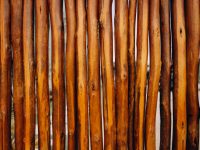
This roofing and siding material is crafted from natural wood, specifically split from logs. These pieces are thicker at the butt end and taper to a thinner edge, providing a distinctive textured appearance when installed. A common application involves layering these pieces on roofs to create a durable and aesthetically pleasing surface.
The employment of this material offers several advantages. It exhibits resistance to weathering, insects, and decay, contributing to a long service life. Furthermore, it presents a natural insulative quality, potentially reducing energy consumption. Historically, it has been a preferred building material in various regions due to its availability, durability, and natural beauty.
The subsequent sections will delve into the various types available, proper installation techniques, and essential maintenance procedures to ensure longevity and optimal performance. These aspects are crucial for maximizing the value and benefits associated with this material.
1. Wood species selection
The selection of appropriate wood species is a critical determinant of the performance and longevity of this roofing and siding material. Different species possess varying inherent properties that directly impact its resistance to decay, weathering, and insect infestation, as well as its aesthetic qualities.
-
Western Red Cedar
This is a frequently utilized species renowned for its natural resistance to decay and insects, stemming from the presence of thujaplicins within its cellular structure. Its low density contributes to excellent insulation properties and ease of handling. Furthermore, its consistent grain and rich color provide a visually appealing aesthetic.
-
Alaskan Yellow Cedar
This species exhibits exceptional durability and strength, making it particularly suitable for environments with high moisture exposure. Its fine, even texture allows for a smooth, uniform appearance. While more dense than Western Red Cedar, it still retains good workability. It is known for its resistance to wear and tear, often performing well in areas with frequent freeze-thaw cycles.
-
Incense Cedar
While less common, Incense Cedar offers an alternative option. It possesses a fragrant aroma and good dimensional stability. However, it may be less resistant to decay compared to Western Red Cedar. Its lighter color and softer texture can present unique design possibilities. This material is often chosen in drier climates, where decay resistance is a lesser concern.
-
Proper Drying and Grading
Regardless of the species selected, proper drying and grading processes are essential. Kiln-drying reduces moisture content, minimizing warping and checking after installation. Grading ensures that the product meets established quality standards, eliminating defects and ensuring consistent thickness and width. This preparation stage is pivotal for maximizing the inherent benefits of any wood species used.
The careful consideration of species-specific attributes, coupled with rigorous drying and grading protocols, directly influences the long-term performance and aesthetic appeal of installed pieces. Choosing the optimal species, tailored to the specific environmental conditions and desired aesthetic, is paramount for maximizing the investment in this natural roofing and siding solution.
2. Proper Installation Techniques
Effective implementation of appropriate installation methods is paramount to realizing the full potential and longevity of this roofing and siding material. Deviations from recommended practices can compromise its weather resistance, structural integrity, and overall aesthetic appeal, leading to premature failure and costly repairs.
-
Underlayment Application
The installation of a suitable underlayment beneath this material is crucial for providing a secondary barrier against moisture penetration. Synthetic underlayments are often preferred due to their enhanced water resistance and breathability compared to traditional felt paper. Proper overlapping and sealing of seams are essential to prevent water infiltration from wind-driven rain or snow. Failure to utilize an appropriate underlayment can result in rot and decay of the sheathing beneath the roofing material.
-
Proper Spacing and Exposure
Correct spacing between individual pieces and the appropriate exposure to the elements are vital for allowing adequate ventilation and preventing moisture build-up. Insufficient spacing can impede airflow, trapping moisture and promoting decay. Conversely, excessive exposure can leave the material vulnerable to wind damage and UV degradation. Adhering to manufacturer’s recommendations for spacing and exposure, based on local climate conditions, is essential for optimal performance.
-
Fastening Methods
The use of appropriate fasteners, such as corrosion-resistant nails or staples, is critical for securing each piece to the roof deck. Improper fastening, including the use of incorrect nail types, over-driving, or misaligned placement, can compromise the structural integrity of the roof and lead to loosening or dislodgement of the pieces. The chosen fasteners must be compatible with the wood species and treated to withstand environmental conditions.
-
Interlayment Implementation (if applicable)
In certain applications, particularly those involving lower-grade wood, an interlayment material is incorporated between courses to provide an additional moisture barrier. This interlayment, typically consisting of felt or synthetic membranes, helps to shed water and prevent it from penetrating the roofing structure. Proper selection and installation of interlayment is crucial for enhancing the longevity and performance of the roof system in demanding environments.
Adherence to best-practice installation techniques, encompassing underlayment application, proper spacing, appropriate fastening methods, and the implementation of interlayment where warranted, ensures that this natural roofing and siding material performs optimally and delivers its intended benefits of weather protection, durability, and aesthetic appeal. Careful attention to detail during installation minimizes the risk of premature failure and maximizes the return on investment in this roofing solution.
3. Weather Resistance Factors
The inherent properties of this roofing and siding material are significantly challenged by prevailing weather conditions. The capacity to withstand these environmental stresses directly dictates its service life and aesthetic integrity. Solar radiation, precipitation, temperature fluctuations, and wind forces all contribute to the degradation process. Understanding the interaction between these weather resistance factors and the material is paramount for effective maintenance and preservation.
For instance, prolonged exposure to ultraviolet (UV) radiation from sunlight causes lignin degradation in the wood, leading to discoloration, surface checking, and a reduction in structural strength. Areas with high rainfall experience increased moisture absorption, which can promote fungal growth and decay if proper ventilation is lacking. Freeze-thaw cycles induce stress on the wood fibers, accelerating cracking and splitting. High winds can lift or dislodge improperly installed pieces, compromising the roof’s integrity. The effectiveness of preservative treatments and the quality of installation directly influence the material’s ability to resist these detrimental effects. Homes in coastal regions also face the added challenge of salt spray, which can accelerate corrosion of fasteners and further contribute to wood degradation.
In summary, weather resistance is a critical performance attribute directly impacting its durability and longevity. Mitigating the adverse effects of these factors requires careful consideration of species selection, preservative treatments, installation techniques, and ongoing maintenance. A proactive approach to addressing weather-related challenges is essential to maximizing the lifespan and preserving the aesthetic appeal of this roofing and siding material.
4. Maintenance Requirements
The long-term performance and aesthetic appeal of this roofing and siding material are inextricably linked to consistent and appropriate maintenance practices. Neglecting necessary upkeep can lead to accelerated degradation, reduced lifespan, and compromised structural integrity. A proactive approach to maintenance is therefore essential to preserving its value and functionality.
-
Regular Cleaning
The accumulation of debris such as leaves, pine needles, and moss can trap moisture against the surface, creating an environment conducive to fungal growth and decay. Periodic cleaning, typically involving the use of a soft-bristled brush and a mild detergent solution, removes these contaminants and allows the wood to dry properly. Power washing is generally discouraged, as it can damage the wood fibers and accelerate erosion. In forested areas or regions with high humidity, more frequent cleaning may be required.
-
Preservative Treatments
The application of preservatives extends its resistance to decay, insect infestation, and UV degradation. The specific type of preservative used will depend on local climate conditions and the desired level of protection. Oil-based preservatives are often preferred for their ability to penetrate the wood deeply and provide long-lasting protection. Water-based preservatives are also available and may be more environmentally friendly. Regular reapplication of preservatives, typically every 3-5 years, is crucial for maintaining its protective barrier.
-
Inspection and Repair
Routine inspections should be conducted to identify and address any signs of damage, such as cracks, splits, or loose pieces. Prompt repair of these issues prevents further deterioration and minimizes the risk of water intrusion. Damaged pieces should be replaced with material of comparable quality and appearance. Proper flashing around chimneys, vents, and other roof penetrations is essential to prevent leaks and should be inspected regularly.
-
Vegetation Management
Overhanging trees and shrubs can create excessive shade and contribute to moisture retention, promoting moss and algae growth. Regular trimming of vegetation ensures adequate sunlight and airflow, reducing the risk of these problems. Direct contact between vegetation and the roofing material should be avoided to prevent abrasion and potential damage.
Consistent adherence to these maintenance protocols is critical for safeguarding the investment and ensuring the long-term viability of this roofing and siding material. Neglecting these requirements can result in premature failure, necessitating costly repairs or replacement. Proactive maintenance, on the other hand, helps to preserve its beauty, durability, and protective function for many years.
5. Lifespan Considerations
The anticipated service life is a significant factor in evaluating this roofing and siding option. Multiple variables influence longevity, demanding careful assessment and proactive management to maximize the return on investment.
-
Material Grade and Quality
The grade directly affects its lifespan. Premium-grade materials, characterized by minimal defects and consistent thickness, exhibit greater resistance to weathering and decay, contributing to extended service life. Lower-grade options, while more economical, possess inherent weaknesses that accelerate degradation, reducing overall lifespan. The selection of an appropriate grade must align with budgetary constraints and expected performance requirements.
-
Climate and Environmental Exposure
The prevailing climate exerts a substantial influence on its durability. Regions characterized by high humidity, frequent rainfall, or extreme temperature fluctuations present a more demanding environment, potentially shortening the lifespan if proper protective measures are not implemented. Conversely, in drier climates with moderate temperatures, its service life is generally extended. The choice of preservative treatments and maintenance schedules must be tailored to the specific environmental challenges.
-
Installation Quality
Adherence to established installation guidelines is critical for maximizing its lifespan. Improperly installed pieces, characterized by insufficient overlap, inadequate fastening, or inadequate ventilation, are more susceptible to moisture damage and wind uplift. Skilled craftsmanship and meticulous attention to detail during installation are essential for ensuring long-term performance and minimizing the risk of premature failure. Correct installation methods play a pivotal role in realizing the materials full potential.
-
Maintenance Frequency and Thoroughness
Regular maintenance directly impacts longevity. Neglecting routine cleaning, preservative treatments, and timely repairs accelerates degradation and shortens the service life. A proactive maintenance program, including periodic inspections and prompt attention to any signs of damage, preserves its integrity and extends its lifespan. Consistent maintenance represents a long-term investment in preserving the value of the roofing or siding system.
In conclusion, lifespan is a multifaceted consideration directly linked to the material grade, environmental conditions, installation quality, and maintenance practices. A comprehensive approach that addresses each of these factors is essential for optimizing the investment and ensuring long-term satisfaction with this natural roofing and siding solution.
Tips for Maximizing Cedar Shake Performance
The information that follows provides specific guidance to optimize the performance and longevity of roofing and siding material. Adherence to these recommendations will contribute to long-term value and minimize potential issues.
Tip 1: Select Premium-Grade Material. The initial investment in a higher grade of cedar shake provides superior resistance to decay, warping, and splitting. This translates to a longer service life and reduced maintenance requirements over time. Verify the grade and source from a reputable supplier.
Tip 2: Ensure Proper Ventilation. Adequate airflow beneath and around this material is crucial for preventing moisture accumulation, which can lead to rot and decay. Employ proper underlayment techniques and ensure sufficient attic ventilation to minimize moisture-related problems.
Tip 3: Use Corrosion-Resistant Fasteners. This material’s acidic nature can accelerate corrosion of standard fasteners. Employ stainless steel or other corrosion-resistant fasteners to prevent staining and ensure secure attachment. Confirm fastener compatibility with applicable building codes.
Tip 4: Apply a Preservative Treatment. Periodic application of a preservative treatment extends resistance to decay, insects, and UV damage. Select a treatment specifically formulated for this material, and follow the manufacturer’s instructions meticulously for optimal results. This provides the best defence.
Tip 5: Conduct Regular Inspections. Routine inspections allow for the early detection and remediation of potential problems, such as cracked or loose pieces. Address any issues promptly to prevent further damage and maintain structural integrity. Regular checks will lead to increased lifespan.
Tip 6: Remove Debris and Vegetation. The accumulation of leaves, pine needles, and other debris can trap moisture and promote fungal growth. Similarly, overhanging vegetation can impede airflow and contribute to moisture retention. Regularly remove debris and trim vegetation to maintain a dry and well-ventilated environment.
These tips, implemented consistently, will significantly enhance the performance and extend the lifespan of the structure. By prioritizing proper material selection, installation, and maintenance, its inherent benefits can be enjoyed for many years.
The concluding section will summarize the key points discussed and provide overall guidance for the long-term care.
Conclusion
The preceding discussion has comprehensively examined the characteristics, benefits, installation, and maintenance considerations associated with the use of “cedar shake” as a roofing and siding material. Emphasis has been placed on species selection, proper installation techniques, weathering resistance, maintenance protocols, and factors influencing lifespan. The judicious application of these principles directly correlates with the longevity and aesthetic appeal of the implemented system.
Responsible stewardship of resources demands informed decision-making. Further investigation into local building codes, manufacturer specifications, and professional consultations is encouraged. The commitment to best practices will not only safeguard structural integrity but also contribute to the enduring beauty and value of the property for years to come. The material, when properly employed, stands as a testament to quality and durability.