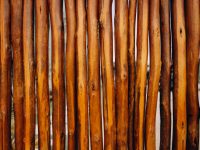
The term denotes a variety of trees, primarily belonging to the Eucalyptus and Corymbia genera, known for their striking red sap. This vibrant liquid, reminiscent of blood, gives these trees their common name. Certain species within these genera, found across Australia, are particularly recognized for this characteristic. For example, Corymbia gummifera, a well-known example, exhibits this distinctive sap.
These trees hold significant ecological and economic value. Their durable timber is utilized in construction, furniture making, and various other applications. Historically, Indigenous Australians have employed various parts of these trees for medicinal purposes and crafting tools. The trees also play a crucial role in supporting local ecosystems, providing habitat and food sources for native fauna.
The subsequent sections will delve deeper into specific species, examining their geographical distribution, physical characteristics, and diverse applications, further elucidating the multifaceted nature of these notable trees and their contribution to both the natural environment and human endeavors.
1. Striking red sap
The striking red sap is the defining characteristic that directly gives bloodwood trees their common name. This visual marker is not merely aesthetic; it represents a complex chemical composition within the tree’s vascular system. The color originates from kino, a substance rich in tannins and polyphenols, produced by the tree as a defense mechanism against injury or infection. When the bark is damaged, or the tree is stressed, this kino seeps out, creating the appearance of bleeding. For instance, in Corymbia gummifera, substantial kino production is readily observable after even minor abrasions, solidifying the link between the red sap and the naming convention.
Beyond the anecdotal connection, the presence and composition of the red sap offer insights into the tree’s health and environmental interactions. The quantity and type of kino produced can vary depending on species, age, and environmental conditions such as drought or insect infestation. Analysis of the sap’s chemical makeup can, therefore, provide valuable data regarding the tree’s physiological state and the pressures it faces. Furthermore, this sap has traditional uses; some Indigenous communities have employed it as an antiseptic or astringent, demonstrating a practical understanding of its properties.
In summary, the striking red sap is more than just a visual attribute of bloodwood; it’s a functional substance integral to the tree’s survival and provides researchers with a means to assess the tree’s condition. This connection is crucial for both identifying and understanding the ecological role of these unique trees. The study of this sap holds potential for advancements in areas like sustainable forestry and traditional medicine, highlighting its continued significance.
2. Durable timber
The utilization of durable timber extracted from bloodwood species constitutes a significant aspect of their economic and practical value. The inherent strength and resilience of the wood make it suitable for a variety of applications, contributing to its demand in both traditional and modern contexts. The following points elaborate on the factors contributing to the timber’s durability and its corresponding uses.
-
Density and Hardness
The timber derived from certain bloodwood species exhibits a high density and hardness, contributing directly to its resistance to wear, abrasion, and impact. This characteristic is particularly valuable in applications requiring structural integrity, such as heavy-duty flooring, railway sleepers, and bridge construction. The density also contributes to resistance against fungal decay and insect infestation, prolonging the service life of the timber.
-
Natural Oil Content
Many bloodwood varieties contain natural oils that contribute to the timber’s water resistance and overall durability. These oils act as a natural preservative, inhibiting the growth of decay-causing organisms and reducing the rate of moisture absorption. This property is especially advantageous in outdoor applications, such as decking, fencing, and cladding, where the timber is exposed to the elements.
-
Interlocked Grain Structure
The presence of an interlocked grain structure within bloodwood timber enhances its resistance to splitting and warping. This characteristic makes the wood particularly suitable for applications involving significant stress or load-bearing requirements. The interlocked grain also contributes to the timber’s aesthetic appeal, producing distinctive patterns and textures that are highly valued in furniture making and decorative applications.
-
Traditional and Contemporary Applications
Historically, Indigenous Australians utilized bloodwood timber for constructing tools, weapons, and shelters, recognizing its strength and resilience. Contemporary applications include furniture, cabinetry, flooring, construction beams, and specialized items like tool handles and musical instruments. The versatility and durability of the timber continue to ensure its relevance in various industries, both domestically and internationally.
In conclusion, the durable timber derived from bloodwood represents a valuable resource due to its inherent strength, resistance to environmental factors, and aesthetic qualities. Its applications span from structural components to decorative elements, underscoring its adaptability and enduring significance in both traditional practices and modern industries. The careful management and sustainable harvesting of these trees are crucial for ensuring the continued availability of this valuable resource.
3. Ecological Importance
The ecological importance of bloodwood species extends beyond their inherent value as individual trees. Their presence significantly influences the structure and function of diverse ecosystems, supporting a complex web of interactions among various flora and fauna. The trees serve as a keystone element in numerous Australian landscapes, shaping habitat availability and contributing to overall biodiversity.
-
Habitat Provision
Bloodwood trees provide essential habitat for a wide range of native animals. The hollows that form in mature trees offer shelter and nesting sites for birds, mammals (such as possums and gliders), reptiles, and insects. The rough bark provides refuge for invertebrates, contributing to the food chain. The density of bloodwood forests also creates microclimates, influencing temperature and humidity levels that support specific plant and animal communities. The structural complexity offered by these trees is thus crucial for maintaining biodiversity within these ecosystems.
-
Food Source
Many animal species rely on bloodwood trees as a primary food source. The flowers produce nectar and pollen, attracting insects, birds, and bats, which play vital roles in pollination. The seeds provide sustenance for various birds and small mammals. Additionally, the kino (the red sap) is consumed by certain insects and can serve as a supplementary food source for other animals during periods of scarcity. The dependable provision of food resources makes bloodwood an integral component of the local food web.
-
Soil Stabilization and Nutrient Cycling
Bloodwood trees contribute to soil stability through their extensive root systems, which bind the soil and reduce erosion. The leaf litter that accumulates beneath the trees contributes to nutrient cycling as it decomposes, enriching the soil and supporting plant growth. The trees also facilitate water infiltration, reducing runoff and replenishing groundwater reserves. These processes are vital for maintaining soil health and promoting the overall productivity of the ecosystem.
-
Fire Ecology
As native components of the Australian landscape, bloodwood trees have evolved with fire and play a critical role in fire ecology. Some species exhibit adaptations that enable them to survive moderate fires, such as thick bark that insulates the cambium layer. The presence of bloodwood forests can influence fire regimes by affecting fuel loads and fire behavior. The post-fire regeneration of these trees also contributes to the recovery of ecosystems following fire events. Understanding the role of bloodwood in fire ecology is crucial for effective land management and conservation efforts.
The multifaceted ecological contributions of bloodwood species underscore their importance in maintaining the health and resilience of Australian ecosystems. Protecting and managing these trees is essential for preserving biodiversity, supporting vital ecological processes, and ensuring the long-term sustainability of the landscapes they inhabit. Conservation efforts must address threats such as habitat loss, unsustainable harvesting practices, and climate change impacts to safeguard the ecological value of these trees.
4. Medicinal Applications
Traditional medicinal applications of bloodwood by Indigenous Australians represent a significant aspect of the tree’s cultural and practical value. The primary component utilized for medicinal purposes is kino, the reddish sap exuded upon injury. This kino, rich in tannins and polyphenols, possesses astringent and antiseptic properties, forming the basis for various treatments. The effect of these properties is observed in the treatment of wounds, burns, and skin infections, where the kino acts to cleanse the affected area and promote healing. Understanding the composition of the kino and its specific medicinal effects provides insight into the traditional practices and the potential for modern pharmacological applications.
The practical significance of bloodwood‘s medicinal applications extends beyond topical treatments. Decoctions prepared from the bark or leaves have been traditionally used to address digestive ailments and respiratory conditions. For instance, a tea brewed from the bark may be administered to alleviate diarrhea or dysentery, leveraging the astringent properties of the tannins to reduce inflammation and fluid loss. Similarly, inhaling the vapors from boiled leaves can provide relief from congestion and coughs, though scientific validation of these applications is still undergoing investigation. Specific examples can be found in ethnobotanical studies documenting Indigenous knowledge of medicinal plants, highlighting the enduring relevance of these practices within certain communities.
While traditional medicinal uses of bloodwood are well-documented, it is crucial to acknowledge the need for rigorous scientific validation. Challenges remain in isolating and characterizing the active compounds responsible for the observed therapeutic effects. Furthermore, the sustainability of harvesting practices must be considered to prevent overexploitation of these resources and ensure the long-term availability of bloodwood for both medicinal and ecological purposes. Further research into the phytochemistry and pharmacology of bloodwood is essential to fully understand its medicinal potential and to develop evidence-based applications while respecting traditional knowledge and promoting sustainable resource management.
5. Australian Native Flora
Bloodwood trees are integral components of the Australian native flora, representing a significant genus within the Eucalyptus and Corymbia classifications. Their presence directly influences the composition and structure of various ecosystems across the continent. As a keystone species in many regions, the absence or decline of bloodwood populations would trigger cascading effects, impacting dependent flora and fauna. The widespread distribution of these trees, particularly in eastern and northern Australia, underscores their ecological importance within the broader context of Australian biodiversity. For instance, specific Corymbia species are adapted to thrive in nutrient-poor soils, contributing to the stabilization of these landscapes and facilitating the growth of other native plants.
The relationship between bloodwood and other members of the Australian native flora is complex and multifaceted. Many plant species have co-evolved alongside bloodwood, forming intricate symbiotic relationships. For example, certain native grasses and shrubs benefit from the altered soil conditions and shade provided by bloodwood trees. Moreover, bloodwood trees contribute to the overall health and resilience of Australian ecosystems by providing a source of nectar, pollen, and habitat for native pollinators, such as bees and butterflies, which are essential for the reproduction of numerous other native plant species. Understanding these interactions is vital for effective conservation management strategies aimed at preserving the integrity of the native flora.
In conclusion, bloodwood exemplifies a crucial element of Australia’s unique botanical heritage, intricately linked to the health and stability of numerous ecosystems. Recognizing the significance of bloodwood within the Australian native flora necessitates a holistic approach to conservation, acknowledging the interdependence of various species and the importance of preserving the ecological processes that sustain these complex ecosystems. Challenges related to habitat loss, invasive species, and climate change necessitate ongoing research and proactive management to ensure the long-term survival and ecological functionality of bloodwood and the diverse native flora it supports.
Considerations Regarding Bloodwood
The following points offer informed considerations about bloodwood trees, encompassing ecological management, timber usage, and species identification. These considerations are designed to offer essential insights for researchers, land managers, and individuals interested in sustainable practices.
Tip 1: Verify Species Identification: Accurate identification of bloodwood species is paramount. Distinctions between Corymbia and Eucalyptus genera, and even among species within these genera, significantly impact timber properties, ecological roles, and conservation status. Utilize botanical keys, field guides, and expert consultation to ensure correct identification.
Tip 2: Assess Timber Source Legality: Prioritize timber sourced from sustainably managed forests. Legal and ethical sourcing is critical to prevent deforestation and biodiversity loss. Inquire about certifications, such as those from the Forest Stewardship Council (FSC), to verify sustainable harvesting practices.
Tip 3: Manage Fire Regimes Responsibly: Recognize bloodwood‘s role in fire-prone ecosystems. Implement controlled burns that mimic natural fire regimes to promote regeneration and reduce the risk of catastrophic wildfires. Consult with fire ecologists to develop appropriate fire management strategies.
Tip 4: Protect Habitat Corridors: Maintain and restore habitat connectivity to facilitate the movement of wildlife that rely on bloodwood ecosystems. Protecting corridors between fragmented habitats is crucial for genetic diversity and species persistence. Implement reforestation efforts with native species to expand available habitat.
Tip 5: Control Invasive Species: Monitor and control invasive plant and animal species that threaten bloodwood ecosystems. Invasive species can outcompete native vegetation, disrupt pollination, and alter fire regimes. Implement targeted control measures based on scientific evidence and best practices.
Tip 6: Monitor for Pest and Diseases: Implement monitoring programs to detect and manage pests and diseases affecting bloodwood trees. Early detection and intervention can prevent widespread damage and mortality. Consult with forestry experts to develop appropriate management strategies.
Tip 7: Promote Seed Collection and Propagation: Support efforts to collect seeds from diverse bloodwood populations for propagation and restoration projects. Maintaining genetic diversity is crucial for the long-term resilience of these trees. Implement protocols for seed storage and germination to ensure successful propagation.
These considerations provide a framework for understanding and managing bloodwood trees in a responsible and sustainable manner. Implementing these guidelines will help ensure the continued ecological and economic benefits derived from these valuable resources.
The subsequent conclusion will synthesize the key findings of this article, emphasizing the multifaceted importance of bloodwood and its relevance to ecological sustainability and human endeavors.
Conclusion
This exploration of bloodwood has underscored its multifaceted significance. From its defining red sap to its durable timber and ecological role, the tree presents a complex interplay of biological characteristics and practical applications. The discussion encompassed species identification, sustainable harvesting considerations, fire management practices, and the importance of preserving habitat corridors, all integral to responsible stewardship of this resource.
The continued viability of bloodwood populations hinges upon a commitment to informed decision-making and proactive conservation efforts. Acknowledging its ecological value and adopting sustainable management practices will ensure that bloodwood remains a valuable component of both Australian ecosystems and human endeavors for generations to come. The preservation of bloodwood is a testament to the enduring relationship between humanity and the natural world, requiring continued vigilance and dedication.