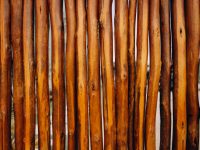
This particular variety of maple wood is characterized by small, distinctive markings resembling tiny eyes scattered across the surface. These figures are caused by dormant bud primordia or latent buds, resulting in unique and highly prized patterns. The presence of these markings significantly enhances the aesthetic appeal of the wood, making it a sought-after material for furniture, musical instruments, and decorative veneers.
The unique figure of this maple increases its economic value due to its relative scarcity and visual appeal. Historically, it has been favored by cabinetmakers and artisans for creating high-end pieces. The resulting products are appreciated for their beauty and the sense of luxury they evoke. Its use often signifies quality and attention to detail in craftsmanship.
Subsequent discussions will delve into the formation of these distinctive figures, explore its various applications in woodworking, and examine factors that influence its availability and cost. The article will also cover methods for finishing and maintaining products crafted with this distinct material, ensuring lasting beauty and durability.
1. Dormant Bud Primordia
The characteristic “eyes” found in this maple are directly linked to the presence of dormant bud primordia within the wood. These primordia are essentially undeveloped buds that, for reasons not fully understood, fail to develop into branches. Instead of growing outward, they remain latent beneath the bark, creating localized distortions in the wood grain as the tree continues to grow. This distortion results in the distinctive, swirling patterns that define the appearance of the wood.
The prevalence and distribution of dormant bud primordia significantly affect the value and desirability of a particular piece of this maple. Lumber with a high concentration of well-defined “eyes” commands a premium price. Conversely, pieces with fewer or poorly formed figures are less valuable. This understanding is critical for woodworkers and lumber suppliers, as it influences grading and pricing strategies. For instance, a tabletop veneer exhibiting a dense and uniform distribution of these figures is highly sought after for creating visually striking furniture.
In summary, the presence of dormant bud primordia is the fundamental cause of the unique visual characteristics of this figured maple. The concentration and quality of these latent buds determine the aesthetic and economic value of the wood. Further research into the factors that trigger the formation of these primordia may provide insights into cultivating this desirable trait in maple trees, though this remains a complex and ongoing area of study.
2. Unique Figured Pattern
The unique figured pattern is the defining characteristic of this prized variety of maple, dictating its value and application in various decorative and functional contexts. This pattern is not merely a surface aesthetic but a complex result of internal wood structure and growth anomalies.
-
Dormant Bud Influence
The “eyes” within the pattern are directly caused by dormant bud primordia that fail to develop into branches. These latent buds create distortions in the surrounding wood grain, resulting in the signature swirling figures. The density and distribution of these dormant buds directly correlate with the intensity and desirability of the figured pattern.
-
Refraction and Light Play
The variations in grain direction caused by the dormant buds create differential refraction of light. This phenomenon contributes to the visual depth and three-dimensionality of the pattern, enhancing its appeal. Finishes applied to the wood can further accentuate this light play, highlighting the unique figure.
-
Grading and Valuation
The quality and uniformity of the figured pattern are primary determinants in grading and valuing this maple. Lumber exhibiting a dense and consistently patterned figure commands a higher price. Imperfections, such as large knots or uneven distribution of the “eyes,” can significantly reduce the value of the wood.
-
Artistic and Functional Applications
The unique figured pattern lends itself to a variety of artistic and functional applications. From musical instruments to furniture veneers, the distinct appearance enhances the aesthetic value of the finished product. Craftsmen and designers specifically seek out this maple to create visually striking pieces that showcase the natural beauty of the wood.
In essence, the unique figured pattern is the key attribute that distinguishes this type of maple from other varieties. Its formation, visual properties, and impact on valuation and application underscore its significance in the world of woodworking and design. The consistent demand for this material reflects the enduring appreciation for its inherent beauty and the artistry it inspires.
3. Enhanced Aesthetic Value
The enhanced aesthetic value associated with this particular maple stems directly from its distinctive figure. The presence of the “birdseye” pattern transforms otherwise ordinary wood into a visually captivating material, elevating its perceived worth and desirability. This effect is a consequence of the pattern’s rarity, visual complexity, and the impression of depth it creates. The wood’s inherent properties are amplified by the unique figures, making it a favored choice for applications where visual appeal is paramount. For example, custom-made furniture incorporating this material often commands a premium price due to its perceived artistic quality. The enhanced aesthetic serves as a crucial differentiator, setting it apart from common maple varieties and driving its demand in high-end markets.
Consider the crafting of musical instruments. The incorporation of this figured maple into guitars, violins, and other instruments significantly increases their visual appeal. The unique pattern becomes an integral part of the instrument’s design, contributing to its overall aesthetic and market value. Similarly, in the realm of interior design, this maple is frequently used for decorative veneers and architectural elements. The materials capacity to imbue spaces with a sense of elegance and sophistication underscores the practical applications and market significance of its enhanced aesthetic. Automakers use it as well, particularly in luxury models, again to convey an upscale feeling.
In summary, the enhanced aesthetic value is intrinsically linked to this special maple. This enhanced aesthetic stems from the characteristic pattern, drives market demand, and influences its application across various industries. The understanding of this connection is essential for woodworkers, designers, and consumers seeking to leverage the unique visual properties of this material. The continued appreciation for the wood signifies its lasting impact on aesthetic preferences and its role in shaping the visual landscape of crafted objects.
4. High-End Furniture
In the realm of high-end furniture, material selection is paramount. Certain woods are favored for their inherent beauty, durability, and ability to convey a sense of luxury and exclusivity. Among these, the unique figured pattern is highly prized, contributing significantly to the value and aesthetic appeal of high-end pieces.
-
Visual Distinction and Exclusivity
The distinctive figure sets high-end furniture apart. The inherent rarity of this maple ensures that each piece is unique, thus conferring a sense of exclusivity. The complex, swirling patterns are visually arresting, creating a focal point and enhancing the overall design. This visual distinction is a key factor in attracting discerning customers who seek furniture that is both functional and a work of art.
-
Enhanced Perceived Value
The incorporation of this special maple into furniture directly increases its perceived value. Customers are willing to pay a premium for pieces crafted from this material, recognizing its inherent scarcity and aesthetic appeal. This enhanced perceived value allows furniture makers to position their products in the high-end market, targeting affluent consumers who appreciate quality and craftsmanship.
-
Showcase of Craftsmanship
Working with this patterned maple requires a high level of skill and attention to detail. Furniture makers specializing in high-end pieces often choose this material to showcase their craftsmanship. The complex grain patterns demand precise cutting, shaping, and finishing techniques. The resulting furniture serves as a testament to the artisan’s expertise and dedication to quality.
-
Versatility in Design Applications
Despite its distinctive appearance, the figured maple is surprisingly versatile in design applications. It can be seamlessly integrated into a variety of furniture styles, from traditional to contemporary. The wood’s warm tones and subtle variations in color complement a wide range of finishes and design aesthetics. This versatility makes it a popular choice for high-end furniture makers seeking to create timeless pieces that appeal to a broad audience.
The factors outlined above contribute to the strong association between high-end furniture and this beautiful variety of maple. Its use often signals premium quality, contributing to elevated pricing and a reputation for sophisticated design. High-end consumers recognize the value of its unique aesthetic and the craftsmanship required to work with this material, solidifying its role in the luxury furniture market.
5. Musical Instruments
The utilization of this specialty maple in musical instrument construction stems from a confluence of aesthetic and acoustic properties. Its distinctive figure enhances visual appeal, while its density and rigidity contribute to desired tonal characteristics. This combination renders it a sought-after material for both luthiers crafting high-end instruments and manufacturers producing limited-edition models.
-
Guitar Bodies and Necks
In the construction of guitars, this patterned maple is often employed for both the body and the neck. As a body wood, it contributes to a bright and articulate tone. As a neck material, its stability helps maintain intonation and playability. High-end electric guitars frequently feature maple tops with distinctive figures to enhance their visual allure.
-
Violin Family Instruments
While not as common as spruce or maple, which typically compose the back, sides, and neck of instruments in the violin family (violins, violas, cellos), this maple is sometimes selected for its unique aesthetic. When used, it adds visual interest to the instrument without significantly compromising tonal qualities.
-
Drum Shells
Drum manufacturers sometimes incorporate this maple into drum shells, particularly for snare drums and higher-end drum kits. The woods density contributes to a focused and resonant sound. The visual appeal of the wood is also a key factor, allowing for striking and visually distinctive drum sets.
-
Piano Components
Although less commonly used in the structural components of pianos due to cost and other considerations, this wood occasionally appears in decorative elements or limited-edition models. Its unique appearance adds to the instrument’s aesthetic value, especially in grand pianos where visual appeal is a significant selling point.
The selection of this particular maple for musical instruments is, therefore, a deliberate choice balancing acoustic properties with aesthetic considerations. Its contribution to visual appeal and tonal characteristics ensures its continued presence in the crafting of select high-end instruments. The relative rarity and cost of the material often restrict its application to premium instruments where the investment is justified by both performance and visual impact.
6. Decorative Veneers
The relationship between decorative veneers and this patterned maple is one of economic and aesthetic synergy. Due to its relative scarcity and high cost in solid lumber form, slicing this prized wood into thin decorative veneers allows for broader application in furniture making, cabinetry, and interior design. Decorative veneers offer a cost-effective means to impart the distinctive visual characteristics of this maple onto a wider range of surfaces and products. For example, rather than constructing an entire desk from solid wood, a manufacturer can use a more affordable substrate and apply a veneer to the visible surfaces, achieving the desired aesthetic at a reduced cost.
Decorative veneers play a critical role in preserving this valuable material, effectively expanding its reach. It allows artisans and manufacturers to create products that possess the aesthetic appeal of solid wood while mitigating the environmental impact and financial burden associated with using large quantities of the resource. The choice to use decorative veneers often allows for more intricate designs and patterns, showcasing the natural beauty of the wood across larger surfaces without compromising structural integrity. One can find these types of veneers in aircraft and automotive trim as well.
In summary, decorative veneers made from this unique maple are a crucial bridge, connecting the material’s inherent beauty with practicality and economic feasibility. It provides a sustainable and cost-effective solution for incorporating the luxurious aesthetic of this maple into diverse products and applications. The understanding of this relationship is essential for those seeking to maximize the aesthetic potential of this wood while adhering to responsible resource management principles.
Working With Birdseye Maple
Successful utilization of this unique wood requires careful consideration of its properties and specific handling techniques. The following tips offer guidance on maximizing its aesthetic potential and minimizing potential challenges.
Tip 1: Proper Drying is Crucial: Birdseye maple is prone to warping and checking if not dried properly. Ensure the lumber is kiln-dried to a moisture content appropriate for its intended application. Air drying followed by kiln drying is often recommended.
Tip 2: Exercise Caution During Machining: The irregular grain patterns make this maple susceptible to tear-out during planing and routing. Use sharp tools, take shallow cuts, and consider climb-cutting techniques to minimize this issue.
Tip 3: Sanding Requires Patience: The varying density within the wood can lead to uneven sanding. Progress through grits systematically, and avoid excessive pressure to prevent dips or swirls in the finished surface.
Tip 4: Glue Surfaces Thoroughly: The figure can sometimes create areas of end grain on the surface, which are less absorbent. Ensure adequate glue coverage and clamping pressure for strong and durable joints.
Tip 5: Consider a Seal Coat Before Staining: The wood’s density variations can lead to uneven stain absorption. Applying a seal coat of shellac or a specialized wood conditioner can promote a more uniform finish.
Tip 6: Emphasize the Figure with the Right Finish: Clear finishes, such as lacquer or varnish, are often preferred to showcase the natural beauty of the wood. Consider using a slightly tinted finish to enhance the contrast of the “eyes.”
Tip 7: Stabilize Thin Veneers: When working with veneers, apply a backing material to prevent warping or cracking. Proper adhesion and pressing techniques are essential for a flawless finish.
These tips are designed to guide those working with this type of material, ensuring optimal results and longevity in finished pieces.
The subsequent section will summarize the essential characteristics and benefits, providing a concise overview for readers.
Conclusion
This exploration of birdseye maple has highlighted its distinct characteristics, applications, and the considerations necessary for its successful utilization. The wood’s unique figure, resulting from dormant bud primordia, significantly enhances its aesthetic value, making it a prized material for high-end furniture, musical instruments, and decorative veneers. The demand for this specialty maple continues to be driven by its scarcity and the inherent beauty it lends to crafted objects.
Understanding the properties of birdseye maple, from its susceptibility to warping to its nuanced finishing requirements, is crucial for maximizing its potential. As demand for visually distinctive materials persists, this exceptional wood will likely maintain its position as a valuable resource for artisans and manufacturers alike. Continued responsible sourcing and careful processing will be vital to ensuring its availability for future generations of craftspeople.