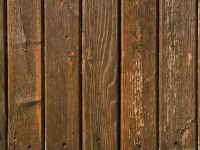
The term refers to a light-colored hardwood originating from Africa, particularly West Africa. It is characterized by its fine, even texture and subtle sheen, often exhibiting a pale yellow to pinkish-brown hue. This timber is derived from trees belonging to the Aningeria genus. Its stability and workability make it a favored material in various applications.
Its value lies in its consistent grain and relatively low density, contributing to ease of processing and a smooth surface finish. Historically, it has served as a substitute for more expensive hardwoods. The material provides a sustainable option for manufacturers seeking to balance aesthetic appeal with responsible sourcing.
Considering these properties, further discussion will elaborate on the applications in veneer production, furniture making, and interior paneling, highlighting specific use cases and advantages in each context.
1. Light-colored hardwood
The designation “light-colored hardwood” serves as a fundamental descriptor, immediately categorizing it within a broader classification of timber. This initial characterization is paramount as it dictates specific applications and aesthetic considerations. The pale coloration, typically ranging from cream to light yellow or even a subtle pinkish-brown, arises from its unique cellular structure and chemical composition. This inherent lightness distinguishes it from darker hardwoods like walnut or mahogany, influencing its suitability for projects where a bright, airy aesthetic is desired. For instance, in Scandinavian-inspired furniture design, the light tone complements minimalist principles and enhances the perception of space. The physical characteristics, particularly its density and porosity, contribute directly to the way it reflects light, resulting in its distinctive appearance.
The significance of this light coloration extends beyond mere aesthetics. It affects the staining and finishing processes, allowing for a wider range of treatments without obscuring the natural grain patterns. Consequently, it lends itself well to processes like bleaching, which can further lighten the wood, or the application of tinted oils that subtly enhance the underlying color. This adaptability is particularly relevant in veneer production, where achieving a uniform color across large surfaces is crucial. The ease with which it accepts various finishes contributes to its economic value and widespread use in high-end interior paneling and cabinetry.
In summary, the “light-colored hardwood” classification is not merely a descriptive attribute but a defining characteristic that shapes its applicability, processing, and aesthetic impact. This understanding is essential for architects, designers, and manufacturers in selecting appropriate materials for diverse projects. The combination of its light color, workability, and stability makes it a valuable and versatile resource in the wood industry.
2. Fine, even texture
The fine, even texture of Aningeria wood is a direct consequence of its cellular structure. The cells are uniformly distributed and relatively small, resulting in a surface that is smooth to the touch and exhibits minimal variation in grain pattern. This characteristic is not merely superficial; it fundamentally influences its workability, finishing properties, and overall aesthetic appeal. A consistent texture minimizes the potential for splintering or tear-out during machining, enabling clean cuts and smooth surfaces. This, in turn, reduces the amount of sanding required, saving time and resources in manufacturing processes. For example, in the production of high-end furniture, the fine texture allows for the creation of intricate details and precise joinery without compromising structural integrity or visual appeal. The lack of pronounced grain also simplifies the application of finishes, ensuring even absorption and a uniform sheen across the surface.
Further, the evenness of the texture directly impacts its suitability for veneer production. When slicing thin sheets for veneer, a consistent cellular structure prevents uneven cutting and ensures a uniform thickness. This is crucial for achieving seamless lamination onto substrates like particleboard or MDF. The resulting veneer surfaces exhibit a consistent appearance, free from visible imperfections that could detract from the overall aesthetic. This attribute is particularly valued in architectural applications where large panels of veneer are used to create a cohesive and visually appealing interior. The consistent texture also contributes to its dimensional stability, minimizing the risk of warping or cracking in response to changes in humidity and temperature.
In conclusion, the fine, even texture is an intrinsic and vital property of Aningeria. It dictates its workability, influences its suitability for specific applications such as veneer production, and contributes significantly to its aesthetic value. Understanding this connection is essential for maximizing its potential and ensuring optimal results in woodworking and design projects. The consistency and predictability afforded by this characteristic make it a sought-after material in various industries where quality and precision are paramount.
3. West African Origin
The provenance of Aningeria within West Africa is not merely a geographical detail; it is intrinsically linked to its characteristics, availability, and the socio-economic factors surrounding its harvesting and trade. Understanding this origin provides critical context for assessing its sustainable use and overall value.
-
Species Distribution and Ecology
The Aningeria genus, from which this timber is derived, is endemic to the tropical rainforests of West Africa. The specific environmental conditions of this region, including rainfall, temperature, and soil composition, directly influence the tree’s growth rate, density, and ultimately, the properties of the resulting wood. The limited geographic range also affects its relative scarcity compared to more widely distributed timber species.
-
Sustainable Forestry Practices
The West African origin necessitates a focus on sustainable forestry practices. Responsible harvesting and reforestation efforts are crucial for maintaining the long-term viability of Aningeria populations and minimizing environmental impact. The regulatory frameworks and certifications in place within these regions directly affect the legality and sustainability of the timber supply chain. The economic well-being of local communities often depends on the sustainable management of these forest resources.
-
Local Economic Impact
The extraction and processing of Aningeria contribute significantly to the economies of several West African nations. It generates employment opportunities in logging, milling, and transportation, providing income for local communities. However, it also raises concerns about fair wages, safe working conditions, and the equitable distribution of profits. The economic benefits derived from Aningeria must be balanced with the need to protect the environment and ensure social equity.
-
Trade and Certification
The trade of Aningeria is governed by international regulations and certification schemes, such as the Forest Stewardship Council (FSC). These mechanisms aim to promote responsible forestry practices and ensure traceability throughout the supply chain. Consumers and manufacturers increasingly demand certified wood products, creating a market incentive for sustainable harvesting and processing. The presence of certification labels provides assurance that the timber originates from responsibly managed forests and adheres to specific environmental and social standards.
In conclusion, the West African origin is a key determinant of its properties, sustainability, and economic impact. A comprehensive understanding of this connection is essential for responsible sourcing, promoting sustainable forestry practices, and ensuring the long-term availability of this valuable resource. The environmental and social implications of its harvesting must be carefully considered to balance economic benefits with the preservation of West African rainforest ecosystems.
4. Veneer Applications
The utilization in veneer applications is significantly driven by its inherent characteristics, establishing a strong cause-and-effect relationship. The consistent grain pattern and stability allow for the creation of aesthetically pleasing and structurally sound surfaces when thinly sliced. Furthermore, its light color simplifies the staining and finishing processes, enabling a wider range of design options. For instance, in high-end furniture manufacturing, this veneer is often applied to less expensive substrates such as MDF or particleboard, providing the visual appeal of solid wood at a reduced cost. This approach not only conserves resources but also expands the accessibility of premium-looking products. The practicality of using it as a veneer stems from its ability to be easily glued and shaped, ensuring a seamless bond with the underlying material.
Continuing the analysis, the importance of veneer applications as a component of its market value cannot be overstated. Its use as a decorative surface allows manufacturers to leverage its unique aesthetic qualities without incurring the expense of using solid wood throughout the entire piece. An example can be found in architectural millwork, where large panels of veneer are used to clad walls and ceilings, creating a unified and visually appealing interior space. The ability to produce consistent, high-quality veneer from this species makes it a preferred choice for projects where aesthetic uniformity and cost-effectiveness are paramount. Moreover, its stability reduces the risk of warping or cracking, ensuring long-lasting performance in demanding environments.
In summary, the connection between its properties and its suitability for veneer applications is a cornerstone of its economic and practical significance. The ability to efficiently produce high-quality veneer from this timber allows for a wide range of applications in furniture, architectural millwork, and other decorative elements. Understanding this relationship is crucial for designers, manufacturers, and consumers alike, as it highlights the value proposition of this material and its contribution to sustainable resource management. The challenges associated with ensuring sustainable harvesting practices remain, emphasizing the need for responsible sourcing and certification programs.
5. Furniture Component
The application as a furniture component stems from its combination of aesthetic appeal, workability, and structural properties. Its characteristics position it as a versatile material suitable for various furniture styles and construction methods. Its role within the furniture industry warrants detailed examination.
-
Solid Wood Elements
Solid wood parts are used for structural elements, such as legs, frames, and drawer fronts. Its moderate density and stability allow for precise shaping and joinery, contributing to the overall durability of the furniture piece. Its light color facilitates finishing and staining to match diverse design preferences. The selection for solid wood components demonstrates a preference for its balanced performance characteristics.
-
Veneered Surfaces
As a veneer, it is applied to core materials like particleboard or MDF, creating visually appealing surfaces for tabletops, cabinet doors, and side panels. The fine grain and consistent color of the veneer enhance the aesthetic value of the furniture. The use of veneer reduces the cost and weight compared to solid wood construction while retaining a high-quality appearance. This technique is frequently employed in contemporary furniture design.
-
Inlay and Decorative Accents
Its light color and fine texture make it suitable for inlay work and decorative accents in furniture design. Intricate patterns and designs can be created through precise cutting and shaping. Inlay adds visual interest and sophistication to furniture pieces. The use in decorative elements highlights its aesthetic versatility.
-
Structural Support
Beyond the aesthetics, the hardwood can be used to create certain structural support as parts of internal frame. Often, anigre can be more cost-effective than the solid wood as it is still durable. Many wood crafters and furniture companies would take this approach to increase profits.
In conclusion, its multifaceted application as a furniture component underscores its value in the furniture industry. Its use in solid wood elements, veneered surfaces, and decorative accents highlights its adaptability to diverse design requirements and construction methods. As consumer preferences evolve, its role in furniture manufacturing is likely to remain significant, contingent upon sustainable sourcing and responsible forest management practices. The balance between aesthetic appeal, cost-effectiveness, and environmental considerations will continue to shape its utilization in furniture production.
Utilizing Aningeria: Key Considerations
This section provides essential guidance for professionals working with this African hardwood, emphasizing informed decision-making and optimal utilization.
Tip 1: Verify Sustainable Sourcing: Prioritize suppliers who can provide certifications (e.g., FSC) confirming responsible forestry practices. Inquire about the specific harvesting methods employed and ensure compliance with relevant environmental regulations. Transparency in sourcing is critical for responsible consumption.
Tip 2: Acclimatize Before Machining: Allow the wood to acclimatize to the environment in which it will be used for several days before machining. This minimizes the risk of warping or cracking after construction. Monitor humidity levels to ensure optimal stability.
Tip 3: Use Sharp Cutting Tools: Its fine texture requires sharp cutting tools to prevent tear-out and achieve clean, precise cuts. Regularly sharpen blades and use appropriate feed rates for optimal results. Dull tools can compromise the surface quality and increase the need for sanding.
Tip 4: Employ Appropriate Sanding Techniques: Begin with a coarser grit sandpaper and gradually move to finer grits to achieve a smooth, even surface. Avoid excessive sanding, which can damage the grain and diminish the natural luster. Consider using a sanding block to ensure uniform pressure and prevent unevenness.
Tip 5: Test Finishes on Scrap Material: Before applying any finish, test it on a piece of scrap material to ensure compatibility and desired appearance. Different finishes can react differently with it, affecting the final color and sheen. Allow the test sample to dry completely before evaluating the results.
Tip 6: Understand Grain Direction: Always assess the grain direction before cutting, joining, or applying finishes. Correct grain orientation contributes to structural integrity and enhances the aesthetic appeal of the finished product. Ignoring grain direction can lead to weak joints and uneven finishing.
These tips serve as a practical guide for maximizing its potential, promoting responsible use, and achieving high-quality results. Diligence in these areas contributes to both project success and the long-term sustainability of this valuable resource.
The preceding guidance provides a foundation for informed decision-making. Subsequent discussions will address the economic factors influencing its market value.
Conclusion
This exploration of Aningeria has detailed its defining characteristics, including its light color, fine texture, West African origin, and applications in veneer and furniture production. The analysis emphasized the interrelationship between these attributes and their impact on its value, sustainability, and practical utilization. The materials suitability for diverse applications stems from its unique combination of aesthetic appeal, workability, and structural properties.
Continued responsible sourcing, adherence to sustainable forestry practices, and informed utilization are essential for ensuring the long-term availability of Aningeria. Manufacturers, designers, and consumers bear a collective responsibility to promote ethical and environmentally sound practices within the timber industry. The future of this valuable resource depends on a commitment to sustainability and a deep understanding of its ecological and economic significance.