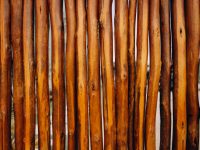
An abnormal growth on a tree, often appearing as a rounded, knot-like protuberance on the trunk or branches, results from stress, injury, or viral/fungal infection. The internal grain structure of this growth is highly figured and contorted, making it aesthetically desirable for woodworking and artistic applications. As an example, a craftsman might utilize this material to create unique bowls, furniture, or decorative items.
The unique patterns and densities of these growths provide distinct advantages to artisans. Their resistance to splitting and their visual appeal have led to their historical use in fine furniture making, carving, and decorative veneer. The irregular grain can add significant value to finished pieces, making the material a sought-after commodity in certain markets.
The subsequent sections will delve into the formation mechanisms, identification techniques, sustainable harvesting practices, and various applications of this fascinating arboreal feature.
1. Formation
The genesis of a tree burl is multifaceted, typically originating from environmental stressors or pathogenic intrusion. These factors induce a localized cellular proliferation, circumventing normal growth patterns. The resulting mass comprises densely packed, unorganized wood fibers, often exhibiting distinctive swirling patterns. Examples include fungal infections, insect infestations, or physical damage to the tree’s cambium layer, all capable of triggering uncontrolled cell division in affected areas. Understanding this causal relationship is vital for identifying potentially productive trees and for implementing strategies in forest management to minimize destructive factors while potentially promoting burl development in controlled environments.
The specific type of stressor significantly influences the resulting burl’s characteristics, impacting its size, shape, and internal grain structure. For example, a burl formed due to a fungal infection might display a darker coloration and a more complex grain pattern compared to one resulting from physical injury. Furthermore, the tree’s species also contributes to burl morphology. Certain species, like redwood and walnut, are predisposed to developing particularly large and visually striking burls. Recognizing these species-specific tendencies, alongside the influence of environmental stressors, allows for more effective resource management and selective harvesting practices.
In summary, understanding the formative mechanisms of burls enables informed decision-making regarding forest management and resource utilization. Recognizing the triggers, the influenced characteristics, and the species predisposition can allow us to appreciate the value. While artificial burl cultivation remains challenging, a deeper comprehension of these processes could potentially lead to controlled environments where the formation of these unique growths can be optimized, although ethical considerations of manipulating natural processes must be taken into account.
2. Identification
Accurate identification of a tree burl is paramount for assessing its potential value and determining appropriate extraction and processing methods. The process involves evaluating external characteristics such as size, shape, texture, and location on the tree. Internal characteristics, discernible through non-destructive methods like sonic testing or, post-extraction, visual inspection of a small sample, also contribute to the identification process. Distinguishing a genuine burl from other tree growths, such as galls or knots, requires a trained eye and familiarity with species-specific variations. For example, a burl formed on a walnut tree often exhibits a darker, richer color and more intricate grain pattern compared to a burl found on a pine tree. Mistaking a gall for a burl can result in wasted effort and potential damage to a tree of limited commercial value.
The identification process extends beyond basic differentiation; it also informs estimations of the burl’s quality and suitability for specific applications. Factors such as the presence of decay, insect damage, or internal voids significantly impact the burl’s structural integrity and aesthetic appeal. Non-destructive testing methods, such as resistograph drills, provide insights into the internal health of the burl without compromising its integrity. The information gathered during identification dictates subsequent processing steps. For instance, a burl with significant decay might necessitate specialized stabilization techniques to prevent further deterioration during drying and shaping. Similarly, a burl intended for veneer production requires careful slicing to maximize the yield of usable material.
In conclusion, accurate identification is a critical component of responsible and profitable burl harvesting and utilization. Effective identification techniques minimize waste, prevent damage to non-target trees, and ensure that extracted burls are processed appropriately for their intended applications. While experience is invaluable in this process, the application of scientific tools and techniques can further enhance the accuracy and efficiency of burl identification, contributing to the sustainable management of this valuable natural resource.
3. Extraction
Extraction, in the context of tree burls, refers to the removal of the growth from the host tree. This process necessitates careful consideration of sustainable practices to minimize environmental impact and ensure the long-term viability of burl resources. Improper extraction can lead to tree death, habitat disruption, and depletion of this unique material.
-
Ethical Considerations
Responsible extraction demands adherence to ethical guidelines, prioritizing the health of the host tree and the surrounding ecosystem. This includes minimizing damage to the tree during removal, avoiding unnecessary tree felling, and ensuring compliance with local regulations regarding tree harvesting. Failure to uphold ethical standards can result in ecological damage and legal repercussions.
-
Extraction Techniques
Various techniques exist for removing burls, ranging from manual methods employing saws and axes to mechanized approaches utilizing chainsaws and specialized cutting equipment. The selection of the appropriate technique depends on factors such as the size and location of the burl, the type of tree, and the desired level of precision. Using inappropriate tools or techniques can damage the burl, reduce its value, and harm the host tree.
-
Timing and Seasonality
The timing of burl extraction can influence both the ease of removal and the impact on the host tree. Extracting burls during the dormant season, when the tree’s sap flow is reduced, can minimize stress and promote faster healing. Avoiding extraction during critical growth periods, such as spring bud burst, can further reduce the risk of harming the tree. Furthermore, seasonal regulations may dictate when harvesting is permitted in certain areas.
-
Post-Extraction Treatment
Following extraction, the host tree requires appropriate treatment to promote healing and prevent infection. This may involve applying wound dressings, sealing exposed wood surfaces, and monitoring the tree’s health for signs of stress or disease. Proper post-extraction care increases the tree’s chances of survival and contributes to the long-term sustainability of burl resources.
The aforementioned facets of burl extraction underscore the importance of a holistic and conscientious approach. Sustainable extraction balances the economic value of burls with the ecological imperative of preserving forest ecosystems and ensuring the continued availability of this unique natural resource. Implementing best practices in extraction is vital for minimizing environmental damage and safeguarding the health of host trees.
4. Processing
The transformation of a tree burl from its raw state into a usable material necessitates a multi-stage processing procedure. The initial step typically involves cleaning the burl to remove dirt, bark, and any foreign debris. This can be accomplished through methods such as pressure washing or manual scrubbing. Following cleaning, the burl undergoes a rough shaping process, often using chainsaws or bandsaws, to reduce its size and create manageable pieces. This initial shaping is crucial for optimizing drying efficiency and identifying potential defects within the wood. For example, a large burl intended for table top construction would be sectioned into smaller slabs to facilitate even drying and prevent warping or cracking.
Subsequent processing stages focus on drying the wood to a stable moisture content. Kiln drying, while faster, can induce stress and cracking if not carefully controlled. Air drying, a slower but gentler method, is often preferred for thicker burls. After drying, the burl is further processed through planing, sanding, and shaping to achieve the desired dimensions and surface finish. The specific techniques employed depend on the intended application. A burl destined for use as a decorative bowl would undergo lathe turning and detailed carving, while a burl intended for veneer production would be carefully sliced into thin sheets using specialized equipment. Stabilizing the burl with resins may also be necessary to fill voids and enhance its structural integrity, particularly for pieces exhibiting significant decay or porous areas.
In conclusion, the processing of tree burls is a critical determinant of their final quality and applicability. From initial cleaning and shaping to precise drying and finishing techniques, each stage plays a vital role in unlocking the potential of this unique material. Challenges remain in minimizing waste, preventing cracking, and preserving the aesthetic characteristics of the burl throughout the processing chain. Further research into innovative drying methods and stabilization techniques could enhance the efficiency and sustainability of burl processing, ensuring the continued availability of this valued resource for woodworking and artistic applications.
5. Aesthetics
The aesthetic value of tree burls stems directly from their unique, often unpredictable grain patterns and textural variations. These growths, resulting from environmental stressors or genetic anomalies, present visual characteristics markedly different from the regular grain of the host tree. The intricate swirls, eyes, and voids create a complex and visually engaging surface, prized in woodworking and decorative arts. For example, a burl-derived table top may command a significantly higher price than one crafted from standard lumber due to the inherent visual interest of its swirling grain.
The importance of aesthetics as a component of tree burls is underscored by the selective harvesting and processing practices employed. Artisans and manufacturers prioritize burls exhibiting exceptional figure, color variation, and overall visual appeal. The aesthetic qualities dictate the intended application; burls with tight, intricate patterns are favored for smaller, detailed work such as jewelry boxes or knife handles, while larger, more dramatically figured burls are suitable for furniture or architectural applications. The perceived aesthetic value directly influences market demand and pricing.
Understanding the aesthetic attributes of burls is practically significant for both harvesters and users. It allows for informed selection, appropriate processing, and maximized value. Harvesters who can accurately assess the aesthetic potential of a burl are better positioned to identify high-value specimens. Users, whether woodworkers or consumers, can appreciate the nuances of burl figure and select pieces that align with their aesthetic preferences. The challenge lies in quantifying and objectively assessing aesthetic qualities, as subjective interpretation plays a significant role. Nonetheless, recognizing the underlying factors that contribute to aesthetic appealgrain pattern, color, textureenables a more informed and discerning approach to burl utilization.
6. Applications
The diverse uses of tree burls are predicated on their unique aesthetic qualities and structural properties, resulting in a wide array of applications across woodworking, artistic endeavors, and specialized industrial sectors. Their distinct grain patterns and inherent stability render them highly desirable for both decorative and functional purposes.
-
Fine Furniture Making
Tree burls are frequently employed in the creation of high-end furniture pieces. Their striking visual textures lend an air of exclusivity to tabletops, headboards, and cabinet fronts. The irregular grain also offers increased resistance to splitting, enhancing the longevity of furniture constructed with burl components. Examples include bespoke dining tables featuring burl veneers and intricately carved chairs incorporating burl accents. These elements contribute to a heightened sense of luxury and craftsmanship.
-
Artistic Carving and Sculpture
The complex grain patterns of tree burls present unique opportunities for artistic expression. Carvers and sculptors exploit the natural formations within the burl to create intricate designs and three-dimensional works. The dense nature of the material allows for fine detailing and the creation of durable pieces. Examples include decorative bowls, abstract sculptures, and ornate carvings that showcase the inherent beauty of the wood. The unpredictability of the grain ensures that each piece is truly one-of-a-kind.
-
Veneer Production
Slicing tree burls into thin veneers allows for the application of their distinctive aesthetic to a wider range of surfaces. Burl veneers are used to adorn furniture, architectural panels, and automotive interiors, providing a cost-effective way to achieve the look of solid burl wood. This process requires specialized equipment to ensure consistent thickness and minimize waste. Examples include burl-veneered dashboards in luxury vehicles and decorative panels in high-end residences, demonstrating the versatility of this application.
-
Knife Handles and Small Decorative Items
Smaller pieces of tree burl, often unsuitable for larger projects, find use in the production of knife handles, jewelry boxes, and other decorative items. The dense and figured grain of the burl provides a visually appealing and durable material for these applications. Examples include custom-made knives with burl handles and handcrafted jewelry boxes adorned with burl inlays, highlighting the adaptability of the material to smaller-scale projects.
The applications of tree burls are continually evolving as artisans and manufacturers discover new ways to utilize their unique characteristics. While concerns regarding sustainable harvesting practices remain paramount, the enduring appeal of burl wood ensures its continued presence in both functional and aesthetic domains. The examples cited underscore the diverse range of uses and the intrinsic value attributed to this remarkable natural resource.
Tree Burl Utilization
The subsequent guidelines offer practical insights for maximizing the value and sustainability of tree burl resources. These recommendations are relevant to harvesters, processors, artisans, and end-users alike.
Tip 1: Prioritize Sustainable Harvesting: Implementing responsible harvesting practices is crucial for ensuring the long-term availability of burls. Avoid clear-cutting entire stands and focus on selective removal of burls from healthy trees, minimizing damage to the host and surrounding ecosystem. Proper wound sealing after extraction is also recommended.
Tip 2: Conduct Thorough Identification: Before extraction, carefully assess the burl’s quality and potential applications. Factors such as size, shape, grain pattern, and the presence of decay or insect damage significantly impact its value. Employ non-destructive testing methods when possible to evaluate internal condition.
Tip 3: Optimize Drying Techniques: Proper drying is essential for preventing cracking and warping in burl wood. Employ a slow and controlled drying process, either through air drying or kiln drying with careful monitoring of temperature and humidity. Stabilizing the wood with resins can mitigate the risk of degradation during drying.
Tip 4: Maximize Yield through Efficient Processing: Careful planning and efficient processing techniques are essential for maximizing the yield of usable material from each burl. Consider the intended application when determining the optimal cutting and shaping methods. Employ sharp tools and precise techniques to minimize waste.
Tip 5: Emphasize Aesthetic Qualities: The aesthetic appeal of tree burls is a key driver of their value. Showcase the unique grain patterns and textures through careful finishing and presentation. Highlight the natural beauty of the wood and avoid obscuring its inherent characteristics with excessive staining or coatings.
Tip 6: Explore Diverse Applications: Burl wood can be used in a wide variety of projects. Do not limit its use to the obvious applications. Look into small projects and explore its use on different materials.
Adherence to these guidelines can improve the value and quality of the output while also ensuring a sustainable harvesting of the material.
The following sections will outline the ethical implications and future trends associated with this remarkable material.
Conclusion
This exploration has detailed various aspects of the tree burl, encompassing formation, identification, extraction, processing, aesthetics, and applications. The unique properties of these growths result from biological anomalies and environmental factors, culminating in a material valued for both its visual appeal and structural characteristics. Sustainable harvesting and responsible processing are crucial for preserving tree burl resources for future generations.
Continued research and innovation in burl utilization are essential for optimizing its potential while minimizing environmental impact. Promoting ethical harvesting practices and fostering appreciation for the aesthetic value of tree burl can contribute to the sustainable management of this exceptional natural resource. The integration of traditional knowledge with modern techniques will shape the future of this valuable material.