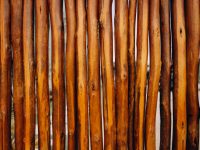
This material, derived from the Tectona grandis tree, is a dense, close-grained hardwood. Originating in Southeast Asia, it is recognized for its durability, water resistance, and inherent oils that protect it from insects and decay. An example of its application can be seen in shipbuilding, where its resilience in marine environments is highly valued.
Its significance stems from a combination of physical properties and aesthetic appeal. The material’s natural resistance to the elements contributes to its longevity, reducing maintenance needs and extending the lifespan of products constructed from it. Historically, it has been a preferred material for crafting high-end furniture, decking, and other exterior applications due to its beauty and long-term performance.
The following sections will delve deeper into the specifics of sourcing, grading, applications in various industries, and sustainable forestry practices related to this valuable resource, highlighting its continued relevance in a world increasingly focused on durability and environmental responsibility.
1. Durability
Durability, in the context of Tectona grandis, signifies its capacity to withstand environmental factors and physical wear over extended periods. This inherent characteristic contributes significantly to its value and widespread application.
-
Resistance to Decay
The wood contains natural oils and silica, rendering it highly resistant to rot, fungi, and bacterial degradation. This resistance reduces the need for chemical preservatives, extending the lifespan of structures and products made from it, particularly in environments conducive to decay. Examples include outdoor furniture and marine decking, where constant exposure to moisture and temperature fluctuations accelerates decay in less durable materials.
-
Insect Repellency
Its natural oils act as a deterrent to many wood-boring insects, such as termites and marine borers. This natural protection minimizes structural damage and reduces maintenance costs. In shipbuilding, this attribute is crucial for preventing the weakening of hulls and decks caused by insect infestation, which can compromise the integrity of the vessel.
-
Weathering Properties
The material exhibits excellent weathering characteristics, meaning it withstands the damaging effects of sunlight, rain, and temperature changes. It is less prone to warping, cracking, or splintering compared to many other wood species. Outdoor applications, such as window frames and exterior cladding, benefit from this stability, requiring minimal upkeep and maintaining structural integrity over decades.
-
Tensile Strength
While not the strongest wood available, it possesses a respectable tensile strength, allowing it to withstand significant stress without breaking or deforming. This is important in applications requiring structural integrity, such as bridge construction and heavy-duty flooring, where the material must bear substantial loads and resist constant use.
These facets of durability collectively underpin the long-term performance and economic value of Tectona grandis. Its capacity to resist decay, insects, and weathering, combined with adequate tensile strength, makes it a preferred material in diverse applications, ranging from maritime construction to fine furniture. The inherent durability of this material minimizes lifecycle costs and contributes to sustainable resource utilization by reducing the need for frequent replacements.
2. Water Resistance
The inherent water resistance of Tectona grandis is a primary factor contributing to its desirability and longevity in various applications, particularly those exposed to moisture. This characteristic stems from the wood’s unique cellular structure and oil content.
-
Dense Grain Structure
The tight, close-grained structure of the wood impedes water penetration. The cells are tightly packed, reducing the spaces available for water to be absorbed. This is in stark contrast to more porous woods which readily soak up moisture. This characteristic manifests practically in the reduced swelling and warping observed in applications like boat decks, where constant water exposure is unavoidable.
-
Natural Oil Content
The presence of natural oils within the wood acts as a hydrophobic barrier. These oils, primarily tectoquinones, repel water and further inhibit absorption. This natural oil content means that it does not readily rot or decay when exposed to water, unlike many other types of wood that require chemical treatment to achieve similar resistance. A practical example can be seen in the preservation of underwater pilings made from this material, where the oils continuously protect the wood.
-
Dimensional Stability in Wet Environments
The material demonstrates exceptional dimensional stability even when subjected to fluctuating moisture levels. It experiences minimal expansion and contraction, reducing the risk of cracking, warping, or joint failure. This is particularly advantageous in outdoor furniture, where repeated wetting and drying cycles can cause significant damage to less stable materials. Its stability maintains structural integrity and aesthetic appearance over long periods.
-
Resistance to Marine Borers
In marine environments, the combination of water resistance and natural oils provides protection against marine borers, organisms that bore into wood and cause significant damage. This resistance significantly extends the lifespan of structures submerged in seawater, making it a preferred material for docks, piers, and boatbuilding. The cost savings associated with reduced maintenance and replacement are substantial in these demanding applications.
The interplay between its dense grain, natural oil content, dimensional stability, and resistance to marine borers underscores the exceptional water resistance of Tectona grandis. These attributes contribute to its enduring value in both aquatic and terrestrial applications where moisture exposure is a concern, providing a natural and sustainable alternative to chemically treated timber.
3. Natural Oils
The presence of naturally occurring oils within Tectona grandis is a defining characteristic that contributes significantly to its durability, water resistance, and overall suitability for diverse applications. These oils, primarily composed of tectoquinones and other extractives, play a crucial role in protecting the wood from environmental degradation and biological attack.
-
Protection Against Decay and Rot
The oils act as natural preservatives, inhibiting the growth of fungi and bacteria that cause wood decay. This intrinsic resistance reduces the need for chemical treatments, extending the lifespan of the material, particularly in humid or wet environments. For instance, in traditional shipbuilding, the oil content contributes to the woods ability to withstand prolonged exposure to seawater, preventing rot and maintaining structural integrity.
-
Insect Repellency
Certain compounds within the oils act as natural insecticides, deterring wood-boring insects such as termites and marine borers. This natural protection minimizes damage and reduces maintenance costs. The presence of these oils is a key reason why structures made from Tectona grandis are less susceptible to infestation, ensuring long-term durability without the need for synthetic pesticides.
-
Water Resistance Enhancement
The oils create a hydrophobic barrier that repels water, reducing absorption and preventing swelling or warping. This is particularly important in outdoor applications where the wood is exposed to rain and humidity. The dimensional stability afforded by these oils ensures that furniture and decking maintain their shape and appearance over time, even under fluctuating moisture conditions.
-
Weathering Properties and Aesthetic Appeal
The oils contribute to the material’s resistance to weathering, protecting it from the damaging effects of sunlight and temperature changes. Additionally, the oils enrich the wood’s natural golden-brown color, enhancing its aesthetic appeal. Over time, as the surface oils oxidize, the wood develops a silvery-gray patina that is often prized for its aesthetic character. This natural aging process does not compromise the woods structural integrity, unlike many other materials.
The multifaceted benefits derived from the natural oils within Tectona grandis are central to its value as a premium hardwood. From providing protection against decay and insects to enhancing water resistance and aesthetic qualities, these oils contribute significantly to the wood’s longevity, sustainability, and widespread use across various industries. The enduring popularity of this material is inextricably linked to the unique chemical composition and protective properties conferred by its natural oil content.
4. Golden Hue
The characteristic golden hue of Tectona grandis is not merely an aesthetic attribute; it is an indicator of the wood’s chemical composition and contributes to its value and desirability. This coloration arises from specific extractives within the wood and evolves subtly over time.
-
Underlying Chemistry
The initial golden coloration stems from the presence of quinones, particularly tectoquinone, within the wood’s cellular structure. These compounds are natural antioxidants and contribute to the wood’s resistance to decay. The intensity of the golden color can vary depending on the age of the tree and the specific growing conditions, but its presence is a hallmark of genuine Tectona grandis. The extractives contribute to both color and durability.
-
UV Interaction and Patina Formation
Upon exposure to ultraviolet (UV) radiation, the surface of the material undergoes a gradual transformation. The golden hue slowly fades, yielding a silver-gray patina. This patina is a result of the surface oils oxidizing and is often preferred for its aesthetic qualities. However, the change in color does not compromise the woods structural integrity, and the patina provides a layer of protection against further UV degradation. Outdoor furniture and decking frequently exhibit this color change over time.
-
Grading and Value Assessment
The intensity and uniformity of the golden hue are often considered during the grading process. Highly prized wood exhibits a consistent color throughout the board, indicating a uniform distribution of extractives. Variations in color, such as dark streaks or lighter patches, may be indicative of differences in density or the presence of sapwood, which is less durable. Therefore, the golden hue serves as a visual indicator of quality and influences the material’s market value.
-
Aesthetic Applications and Cultural Significance
The warm, golden color of the wood has made it a preferred material for high-end furniture, yacht interiors, and architectural millwork. The color complements a wide range of design styles, from traditional to contemporary. Furthermore, in some cultures, the color is associated with luxury and prestige, further enhancing the material’s appeal. This aesthetic association has solidified its position as a sought-after material for visible applications.
The golden hue of Tectona grandis is more than just a visual characteristic; it is an indicator of chemical composition, a factor in grading, and a source of aesthetic appeal. The color’s evolution under UV exposure and its role in indicating quality contribute to the material’s overall value and continued popularity in various industries.
5. Dimensional Stability
Dimensional stability, concerning Tectona grandis, refers to its ability to maintain its original dimensions and shape despite fluctuations in environmental conditions, particularly changes in moisture content and temperature. This attribute is a critical factor in its long-term performance and suitability for demanding applications.
-
Low Moisture Absorption
The wood’s inherent density and natural oil content contribute to a low rate of moisture absorption compared to many other timber species. Reduced water uptake minimizes swelling and contraction, thereby limiting dimensional changes. Applications such as boat decks and exterior cladding benefit significantly, experiencing less distortion and maintaining a tighter fit over extended periods. This is in contrast to materials that absorb moisture readily, leading to warping and structural instability.
-
Minimal Shrinkage and Swelling
Its low volumetric shrinkage and swelling coefficients indicate minimal dimensional variation with changes in humidity. This is essential for maintaining the integrity of joints and connections in furniture and architectural elements. Tight joinery remains intact, preventing gaps and structural weakening. The reduced movement also minimizes stress on finishes, reducing cracking and peeling, enhancing the longevity of painted or varnished surfaces.
-
Resistance to Warping and Twisting
The stable nature of this material results in a high resistance to warping and twisting, even under prolonged exposure to varying environmental conditions. This stability is vital for applications requiring flat, even surfaces, such as tabletops and flooring. The material’s resistance to these forms of distortion ensures that it maintains its intended shape and function over time, minimizing the need for repairs or replacements.
-
Reduced Checking and Cracking
The ability to maintain consistent dimensions minimizes internal stresses, thereby reducing the likelihood of surface checking and cracking. This characteristic is particularly important in thick timbers used in construction and shipbuilding. The material’s resistance to these defects ensures that it maintains its structural integrity and aesthetic appearance, contributing to the safety and longevity of the structure.
The facets of dimensional stability collectively underscore the enduring value of Tectona grandis. Its resistance to moisture absorption, minimal shrinkage and swelling, resistance to warping, and reduced checking and cracking contribute to its long-term performance in diverse applications, ensuring structural integrity and minimizing maintenance requirements. These attributes make it a sustainable and reliable choice for both indoor and outdoor uses, where dimensional stability is paramount.
Tips for Working with Teak Wood
The following guidelines aim to optimize the handling and preservation of this valuable hardwood, ensuring its longevity and aesthetic appeal in various applications.
Tip 1: Proper Acclimation: Allow recently acquired material to acclimate to its intended environment for several weeks before fabrication. This minimizes dimensional changes after installation, reducing the risk of warping or cracking. Store the material in a climate-controlled space with similar humidity levels to its final location.
Tip 2: Pre-Drilling for Fasteners: Always pre-drill pilot holes before driving screws or nails. Due to its density and oil content, it is prone to splitting if fasteners are directly applied. Use drill bits specifically designed for hardwoods to ensure clean and accurate holes.
Tip 3: Using Appropriate Adhesives: Select adhesives specifically formulated for oily hardwoods. Standard wood glues may not bond effectively due to the presence of natural oils. Epoxy resins or polyurethane adhesives are often recommended for strong and durable joints.
Tip 4: Implementing Proper Finishing Techniques: While the material is naturally resistant to moisture, applying a suitable finish can enhance its appearance and provide additional protection. Consider using penetrating oil finishes or spar varnishes to maintain the wood’s natural beauty and water resistance. Avoid film-forming finishes, which may crack or peel over time.
Tip 5: Addressing Surface Oxidation: Untreated material will naturally develop a silver-gray patina over time due to surface oxidation. If a golden-brown color is desired, periodically clean the surface with a specialized wood cleaner and reapply a suitable oil finish to restore the original hue.
Tip 6: Preventing Staining from Metal Contact: Avoid direct contact with iron or other ferrous metals, as they can cause discoloration or staining due to chemical reactions with extractives in the wood. Use stainless steel or other non-ferrous fasteners and fittings to prevent this issue.
Tip 7: Employing Sharp Tools: Use sharp, high-quality tools when cutting, shaping, or planing. Its density can quickly dull cutting edges, leading to tear-out or uneven surfaces. Regular sharpening or replacement of blades will ensure clean and precise results.
Adhering to these guidelines ensures optimal results when working with this material, maximizing its durability, aesthetic appeal, and long-term performance. Diligence in these practices contributes to a successful outcome and preserves the inherent qualities of the wood.
The concluding section will summarize the key aspects of Tectona grandis discussed, reinforcing its significance as a premium material in various industries.
Conclusion
This exploration has detailed the properties and advantages of Tectona grandis, underscoring its durability, water resistance, natural oil content, distinctive golden hue, and dimensional stability. The analysis encompasses the material’s composition, performance characteristics in diverse applications, and best practices for effective utilization. Its unique attributes contribute significantly to its value as a premium hardwood.
Given its inherent resilience and aesthetic qualities, Tectona grandis remains a relevant and desirable material for industries prioritizing longevity and environmental responsibility. Continued research into sustainable forestry practices and innovative applications will further ensure its enduring significance in a world increasingly focused on durability and responsible resource management.