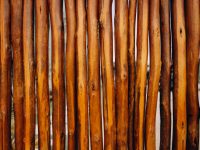
Components fashioned from the aromatic heartwood of cedar trees, planed to uniform dimensions, represent a versatile construction material. These elements are typically rectangular in shape and possess a smooth surface, achieved through milling processes. An example includes boards used for exterior siding, offering both aesthetic appeal and protective qualities.
The utilization of this material is predicated on its inherent resistance to decay, insect infestation, and moisture absorption. These characteristics extend the lifespan of structures and reduce maintenance requirements. Historically, its fragrant nature has also made it desirable for lining closets and chests, repelling moths and preserving textiles. The natural oils present contribute to these beneficial properties.
The ensuing discussion will delve into specific applications of this material, outlining optimal installation techniques and exploring various finishing options. Furthermore, the environmental considerations associated with responsible sourcing practices will be addressed.
1. Aromatic oils
The presence of volatile organic compounds, commonly referred to as aromatic oils, within cedar wood is intrinsically linked to its characteristic fragrance and natural protective attributes. These oils, primarily composed of thujaplicins and cedrol, are synthesized by the tree as a defense mechanism against fungal decay and insect infestations. The concentration and composition of these oils vary depending on the cedar species and environmental conditions, influencing the wood’s overall durability and aromatic intensity. For instance, Western Red Cedar, known for its high oil content, exhibits exceptional resistance to rot, making it a preferred choice for exterior applications like siding and shingles.
The protective function of these oils extends beyond the living tree to the harvested material. When incorporated into structures or used in furniture, the oils continue to act as a natural preservative, inhibiting the growth of mold and repelling various wood-boring insects. This characteristic reduces the reliance on chemical treatments, promoting a more environmentally conscious approach to construction and preservation. Furthermore, the oils’ gradual release contributes to the wood’s enduring fragrance, making it desirable for lining closets, chests, and saunas. However, it’s important to note that prolonged exposure to sunlight and weathering can gradually deplete the oil content, potentially diminishing the wood’s protective properties over time.
In summary, the aromatic oils embedded within represent a critical component of its value and functionality. Their presence dictates the wood’s resistance to decay, insect infestation, and its signature scent. Understanding the role and behavior of these oils is essential for optimizing the use of this material in various applications and ensuring its long-term performance and sustainability. Challenges remain in quantifying the long-term efficacy of these oils under diverse environmental conditions and in developing methods to replenish or enhance their concentration in harvested wood.
2. Decay resistance
The inherent decay resistance exhibited by material is a primary determinant of its suitability for exterior applications and use in environments prone to moisture exposure. This characteristic stems from the presence of naturally occurring extractives within the wood’s cellular structure. These extractives, including phenolic compounds and thujaplicins, possess antifungal and antibacterial properties that impede the growth of decay-causing organisms. The concentration and composition of these extractives vary depending on the species, with some varieties demonstrating significantly greater resistance than others. For example, Western Red Cedar’s high concentration of thujaplicins renders it exceptionally resistant to rot, enabling its widespread use in decking, siding, and roofing applications. Without this inherent resistance, the lifespan of wooden structures would be substantially reduced, necessitating frequent repairs and replacements.
The practical significance of understanding the relationship between decay resistance and this building material lies in informed material selection. Choosing a species known for its inherent durability minimizes the need for chemical treatments, which can pose environmental and health risks. Furthermore, proper installation techniques, such as ensuring adequate ventilation and drainage, further enhance the wood’s resistance to decay. In contrast, using untreated planks in direct contact with the ground or in poorly ventilated areas accelerates the decay process. Real-world examples abound, from historic cedar-shingled homes that have endured for centuries to modern decks that require minimal maintenance due to the inherent decay resistance of the material.
In summary, the decay resistance of represents a critical advantage, influencing its longevity, reducing maintenance requirements, and minimizing the need for potentially harmful chemical preservatives. Proper species selection, combined with appropriate installation practices, maximizes the benefits of this natural characteristic. While the inherent resistance provides a significant advantage, ongoing research seeks to further enhance and understand the mechanisms of decay resistance in order to optimize its utilization and ensure long-term sustainability. The challenge remains in accurately predicting the performance of material under diverse environmental conditions and developing sustainable methods to prolong its service life.
3. Insect repellent
The capacity to deter insect infestations is a notable characteristic. This property arises from volatile organic compounds, specifically thujaplicins, present within the wood. These compounds act as natural repellents, disrupting the olfactory senses of various insect species, thereby discouraging them from inhabiting or damaging the wood. The concentration of these compounds varies among cedar species; however, their presence consistently contributes to the material’s resistance to insect-related degradation. This natural insect-repelling capability reduces reliance on chemical insecticides, offering a more environmentally benign approach to structural preservation. For instance, using to line closets and chests effectively prevents moth infestations, safeguarding textiles without the need for synthetic mothballs.
The practical significance of this insect-repellent property is multifaceted. In construction, exterior siding constructed from the wood inherently resists attack from termites, carpenter ants, and other wood-boring insects, extending the lifespan of the structure and minimizing maintenance costs. Furthermore, the use of the wood in garden beds and raised planters can help protect plants from certain soil-borne pests. However, it is important to note that the insect-repelling efficacy diminishes over time as the volatile compounds evaporate. Environmental factors, such as prolonged exposure to sunlight and weathering, can accelerate this process. Therefore, periodic maintenance, including the application of protective finishes, may be necessary to preserve the insect-repellent qualities.
In summary, the natural insect-repellent attribute of material is a significant advantage, contributing to its longevity and reducing the need for chemical treatments. The effectiveness of this property depends on the species of cedar, environmental conditions, and maintenance practices. While offering a sustainable alternative to synthetic insecticides, the longevity of the repellent effect should be considered in long-term planning and maintenance strategies. Further research could explore methods to enhance and prolong the insect-repelling properties of harvested material, ensuring its continued utility in diverse applications.
4. Dimensional stability
Dimensional stability, referring to a material’s ability to maintain its original size and shape despite changes in moisture content and temperature, is a critical property in construction and woodworking. The extent to which exhibits dimensional stability is a direct result of its cellular structure and chemical composition. Compared to many other softwoods and hardwoods, cedar possesses a relatively low shrinkage rate, indicating its propensity to resist warping, twisting, and cracking as it dries or experiences fluctuations in humidity. This inherent stability is particularly valuable in applications where precise fit and long-term structural integrity are paramount. For example, cedar siding installed on exterior walls benefits from this property, minimizing gaps and maintaining a weather-tight seal, thereby preventing water infiltration and reducing energy loss. Similarly, cedar decking resists cupping and splintering, ensuring a safe and aesthetically pleasing surface.
The dimensional stability of also contributes to ease of workability and long-term performance. Its resistance to warping simplifies installation processes, reducing the need for excessive adjustments and minimizing material waste. Furthermore, the stability translates to less frequent maintenance requirements. Unlike woods prone to significant expansion and contraction, cedar structures retain their form, minimizing the need for re-fastening, sanding, or refinishing. However, it’s important to recognize that while cedar exhibits superior dimensional stability compared to many alternatives, it is not entirely immune to dimensional changes. Extreme temperature fluctuations and prolonged exposure to excessive moisture can still induce some degree of movement. Proper acclimation of the planks to the environment before installation, as well as appropriate sealing and finishing techniques, can further mitigate these effects.
In summary, the dimensional stability of is a significant attribute that enhances its suitability for a wide range of applications. Its resistance to warping and cracking contributes to structural integrity, ease of installation, and reduced maintenance. While not impervious to dimensional changes, cedar’s inherent stability, coupled with appropriate installation and finishing practices, ensures long-term performance and aesthetic appeal. Challenges remain in accurately predicting the dimensional behavior of the wood under varying environmental conditions, and ongoing research focuses on developing advanced treatments and techniques to further enhance its stability and longevity. Understanding the interplay between dimensional stability and environmental factors is crucial for optimizing the utilization of this material in diverse construction and woodworking projects.
5. Sustainable sourcing
The acquisition of involves practices that ensure the long-term health and availability of cedar forests. Unsustainable logging can lead to deforestation, habitat loss, and disruption of local ecosystems. Therefore, responsible procurement necessitates adherence to forestry management principles that prioritize regeneration, biodiversity conservation, and the welfare of forest-dependent communities. Certification programs, such as the Forest Stewardship Council (FSC), provide a framework for verifying that operations meet these standards. The utilization of material derived from certified sources demonstrates a commitment to environmental responsibility and promotes the continued existence of cedar forests for future generations. For example, a construction company choosing FSC-certified validates its dedication to sustainable building practices, influencing consumer choices and encouraging broader adoption of responsible forestry.
Sustainable sourcing directly impacts the quality and availability of. Responsible forestry practices often involve selective harvesting, where mature trees are carefully removed, allowing younger trees to thrive. This approach promotes forest health and ensures a continuous supply of high-quality timber. Conversely, unsustainable practices, such as clear-cutting, can degrade the soil, reduce biodiversity, and compromise the long-term productivity of the forest. In practical terms, consumers and builders can actively support sustainable sourcing by seeking out certified products and engaging with suppliers who prioritize responsible forestry. This active engagement fosters a market demand for sustainably sourced material, incentivizing forest managers to adopt and maintain responsible practices.
In summary, sustainable sourcing is integral to the responsible utilization of. It ensures the long-term health of cedar forests, promotes biodiversity conservation, and supports the livelihoods of forest-dependent communities. Challenges remain in expanding the adoption of sustainable forestry practices globally and ensuring the traceability of throughout the supply chain. Addressing these challenges requires collaboration among governments, industry stakeholders, and consumers. The pursuit of sustainable sourcing for represents a commitment to environmental stewardship and responsible resource management, securing the availability of this valuable material for generations to come.
Essential Considerations for Optimal Utilization
The following guidelines offer insights for maximizing the performance and longevity of this material.
Tip 1: Acclimation Prior to Installation: Ensure dimensional stability by allowing the to acclimatize to the surrounding environment before installation. Store the components in a dry, well-ventilated area for several days to equalize moisture content.
Tip 2: Proper Fastening Techniques: Employ corrosion-resistant fasteners, such as stainless steel or coated screws, to prevent staining and degradation of the material. Pre-drilling pilot holes minimizes splitting and ensures secure fastening.
Tip 3: Appropriate Spacing for Ventilation: When installing as siding or decking, maintain adequate spacing between boards to promote airflow and prevent moisture accumulation. This reduces the risk of decay and prolongs the lifespan of the installation.
Tip 4: Application of Protective Finishes: While naturally resistant to decay, the application of a penetrating oil or stain can further enhance the material’s longevity and protect it from UV degradation. Reapply finishes periodically as needed.
Tip 5: Responsible Waste Disposal: Dispose of waste in an environmentally responsible manner. Consider recycling or repurposing scrap pieces for smaller projects.
Tip 6: Regular Inspection and Maintenance: Periodically inspect installations for signs of damage, such as cracks, splits, or insect activity. Address any issues promptly to prevent further deterioration.
Tip 7: Sustainable Sourcing Verification: Prioritize from certified sustainable sources to ensure responsible forest management and minimize environmental impact. Look for certifications like FSC (Forest Stewardship Council).
Adhering to these tips will maximize the benefits of, ensuring long-lasting performance, aesthetic appeal, and environmental responsibility.
The subsequent sections will explore specific applications and address common misconceptions about this versatile building material.
Conclusion
The preceding discussion has illuminated various facets of cedar wood planks, emphasizing their inherent properties and diverse applications. Decay resistance, insect-repelling qualities, dimensional stability, and the significance of sustainable sourcing have been detailed. Understanding these aspects is paramount for informed decision-making concerning material selection and utilization. Furthermore, adherence to recommended installation and maintenance practices ensures optimal performance and longevity of the finished product.
Given the material’s documented advantages and the growing emphasis on environmentally conscious building practices, its continued relevance in construction and woodworking is anticipated. Prioritizing responsibly sourced materials and employing appropriate techniques will maximize its benefits, contributing to durable, aesthetically pleasing, and ecologically sound structures. The onus remains on industry professionals and consumers alike to advocate for and implement sustainable practices, thereby safeguarding the resource for future applications.