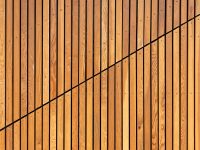
The heartwood of the black walnut tree, prized for its rich color and desirable working properties, is converted into boards and planks for use in various applications. This processed timber, known for its strength and stability, represents a valuable resource in woodworking and construction. For example, furniture makers often select this material for high-end tables and cabinetry due to its aesthetic appeal and durability.
Its significance stems from a combination of factors, including its resistance to decay and its capacity to hold intricate details. Historically, it has been a favored material for gunstocks, fine furniture, and architectural millwork. The wood’s inherent beauty and workability contribute to its enduring popularity, making it a preferred choice for projects demanding both functionality and visual appeal. Its relative scarcity compared to other hardwoods further enhances its perceived value.
Further discussion will delve into the grading standards, typical applications, and sustainable sourcing practices associated with this sought-after material. The following sections will also address proper storage techniques and finishing methods to maximize its lifespan and enhance its natural beauty.
1. Color and Grain
The characteristic appeal of the timber derives significantly from its distinct color and grain patterns. The heartwood exhibits a rich, dark brown hue, often with subtle variations ranging from light chocolate to almost black. Exposure to ultraviolet light tends to lighten the color over time. The grain, typically straight, can also present with burly or curly figures, dramatically increasing its aesthetic value. Variations in color and grain depend on the tree’s genetics, growing conditions, and the specific cut of the lumber, rendering each piece unique.
The correlation between color, grain, and the final product is evident in various applications. For instance, high-end furniture manufacturers carefully select planks for consistent color and striking grain to enhance the visual impact of their pieces. Conversely, material with less consistent coloring or grain may be relegated to less visible components or used in applications where aesthetic uniformity is less critical. Proper sawing techniques, such as quarter sawing or rift sawing, can emphasize specific grain patterns, further influencing the material’s suitability for particular projects. The grading process inherently considers color consistency and grain figure as key determinants of lumber quality.
In summary, the color and grain properties of the material are fundamental aspects defining its value and application. The interplay between these characteristics and external factors, such as sawing methods and environmental conditions, dictates the final aesthetic quality. Recognizing and understanding these factors allows for informed material selection and optimal utilization, thereby maximizing the potential of this valuable resource.
2. Workability
The term “workability,” in the context of processed black walnut wood, refers to the ease with which the material can be shaped, cut, and finished. This attribute significantly influences its desirability among woodworkers and dictates its suitability for various projects. Good workability translates to efficient production, reduced tool wear, and a higher quality final product.
-
Machining Properties
Black walnut exhibits excellent machining characteristics. It cuts cleanly with both hand and power tools, producing smooth surfaces that require minimal sanding. This ease of machining reduces the risk of tear-out, splintering, or chipping, especially when working against the grain. The wood’s consistent density contributes to predictable machining results, facilitating the creation of precise joinery and intricate details. This predictability is crucial in mass production settings where consistency is paramount.
-
Gluing and Fastening
The material readily accepts glue, forming strong and durable bonds. Its stable nature minimizes the risk of joint failure due to wood movement. It also holds screws and nails effectively without splitting, allowing for robust construction. Pre-drilling pilot holes is recommended, particularly when working near the edges of a board, to prevent splitting. This characteristic is vital for constructing furniture and cabinetry where structural integrity is critical.
-
Sanding and Finishing
It sands easily to a smooth, even surface, readily accepting a wide range of finishes. Its open grain pattern allows finishes to penetrate deeply, enhancing the wood’s natural color and grain. It can be stained, oiled, varnished, or lacquered to achieve a desired aesthetic. Its compatibility with various finishing products offers considerable design flexibility. This allows for customized looks tailored to specific project requirements.
-
Steam Bending
While not as pliable as some hardwoods like oak or ash, it can be successfully steam-bent with proper technique. Pre-soaking the wood and using a supportive bending form are essential to prevent cracking or splitting. The steam-bending process allows for the creation of curved components, adding an element of sophistication to furniture design. This property, though not as prominent as others, expands its potential application in specialized woodworking projects.
In summary, the combination of these workability characteristics contributes significantly to its popularity as a premium hardwood. The ease of machining, gluing, sanding, and even steam bending, allows woodworkers to create high-quality, durable, and aesthetically pleasing products. Its predictable nature and compatibility with various tools and finishes make it a preferred choice for both seasoned professionals and hobbyists alike.
3. Durability
The inherent resistance of processed black walnut wood to decay, insect infestation, and wear significantly contributes to its value and broad applicability. This characteristic, known as durability, ensures the longevity of structures and objects crafted from the material, making it a desirable choice for both interior and exterior applications.
-
Resistance to Decay
Black walnut contains natural compounds that inhibit the growth of fungi and bacteria, making it moderately resistant to decay. While not immune to degradation, its resistance surpasses that of many other hardwoods. This characteristic makes it suitable for applications where exposure to moisture is possible, such as exterior trim, boat interiors, and outdoor furniture. However, direct contact with the ground should be avoided to maximize lifespan.
-
Insect Resistance
Similar to its decay resistance, it possesses a degree of natural resistance to certain insect species, including termites and wood-boring beetles. The wood’s density and the presence of specific extractives deter insect attack. While not a complete deterrent, this inherent resistance offers an added layer of protection, reducing the need for chemical treatments in some applications. This is particularly beneficial for interior projects where minimizing chemical exposure is desirable.
-
Dimensional Stability
Dimensional stability, the ability to resist changes in size and shape due to fluctuations in moisture content, is a crucial aspect of durability. Black walnut exhibits moderate dimensional stability, meaning it is less prone to warping, cracking, or shrinking compared to less stable hardwoods. This stability ensures that joinery remains tight and that finished surfaces remain smooth and even over time. This is particularly important in furniture construction, where consistent dimensions are critical for both aesthetics and structural integrity.
-
Wear Resistance
The density and hardness of it contribute to its resistance to wear and abrasion. It can withstand moderate levels of traffic and impact without significant damage. This makes it suitable for flooring, countertops, and furniture surfaces that are subject to regular use. However, it is not as hard as some exotic hardwoods and may require protective finishes to prevent scratching and denting in high-traffic areas.
The combined effect of decay resistance, insect resistance, dimensional stability, and wear resistance underscores the long-term value. While no wood is impervious to environmental factors, the inherent durability of this material makes it a cost-effective choice for projects requiring both longevity and aesthetic appeal. Proper finishing and maintenance can further enhance its durability, ensuring that projects crafted from it remain beautiful and functional for generations.
4. Grading Standards
Grading standards for processed black walnut wood provide a systematic framework for evaluating its quality and suitability for different applications. These standards, established by organizations like the National Hardwood Lumber Association (NHLA), categorize boards based on the percentage of clear, defect-free wood they contain, as well as other factors like color, grain, and dimensions. The cause-and-effect relationship is evident: higher grades command premium prices due to their superior appearance and usability, while lower grades are more affordable but may require more extensive processing or be relegated to less demanding applications. Grading standards are therefore a critical component of the entire walnut lumber market, ensuring transparency and facilitating trade.
Real-world examples illustrate the practical significance of these standards. A furniture manufacturer producing high-end dining tables will typically specify FAS (Firsts and Seconds) grade material, which guarantees a high percentage of clear cuttings suitable for crafting tabletops with minimal imperfections. Conversely, a cabinetmaker building drawer boxes might opt for a lower grade, such as #1 Common, where small knots or color variations are acceptable and can be worked around, resulting in cost savings. The proper application of these grading standards also impacts waste reduction; choosing the appropriate grade for a given project minimizes the amount of unusable material, contributing to greater efficiency and sustainability.
In conclusion, the implementation of grading standards for the material is essential for its efficient and effective utilization. These standards not only define the quality parameters but also influence pricing, application, and resource management. While challenges exist in consistently applying these standards across different regions and suppliers, their fundamental role in maintaining quality and facilitating trade remains indispensable. Understanding these standards allows buyers and sellers to communicate effectively, make informed decisions, and optimize the use of this valuable natural resource.
5. Moisture Content
Moisture content in processed black walnut wood critically influences its stability, workability, and long-term performance. The wood is hygroscopic, meaning it readily absorbs and releases moisture from the surrounding environment. This exchange causes dimensional changes, with excessive moisture leading to swelling and contraction upon drying. Uncontrolled fluctuations result in warping, cracking, and joint failure in finished products. Proper control of moisture content, therefore, is paramount throughout all stages of processing and utilization.
The impact of moisture content is evident in various applications. For instance, furniture manufacturers meticulously kiln-dry the material to a specific moisture content, typically between 6-8%, before commencing construction. This minimizes the risk of warping or cracking after the furniture is assembled and exposed to ambient humidity levels. Conversely, if the moisture content is too low during machining, the wood may become brittle and prone to splintering. Incorrect moisture levels during finishing can also lead to adhesion problems or uneven stain absorption. Flooring installers similarly acclimate the wood to the job site for several days prior to installation, ensuring that it reaches equilibrium moisture content with the environment to prevent gaps or buckling after installation. The practical significance lies in the prevention of costly repairs, rework, and customer dissatisfaction.
Maintaining optimal moisture content presents challenges, particularly in regions with fluctuating humidity levels. Proper storage practices, including stacking lumber with spacers to promote air circulation, are essential to minimize moisture absorption or loss. Monitoring moisture content with a calibrated moisture meter is also crucial for ensuring that it meets the specific requirements of the project. While achieving and maintaining ideal moisture content requires diligence, the effort translates directly into increased product quality, durability, and customer satisfaction. The understanding and management of moisture content is, therefore, an indispensable skill for anyone working with processed black walnut.
6. Sourcing Origin
The geographical origin of black walnut profoundly influences the characteristics and properties of the resulting processed wood. Variances in climate, soil composition, and regional forestry practices impart distinct qualities to the timber, affecting its color, grain pattern, density, and overall quality.
-
Regional Variations in Color and Grain
Walnut sourced from the Midwestern United States, for example, typically exhibits a richer, darker brown hue compared to that from the Eastern regions. The grain patterns may also vary, with some areas producing wood with more pronounced figure or curl. These regional variations are often attributed to differences in growing conditions and soil mineral content. Consequently, furniture makers may seek out the material from specific regions to achieve a desired aesthetic.
-
Impact of Climate on Growth Rate and Density
Climate plays a pivotal role in the tree’s growth rate and density. Trees grown in areas with longer growing seasons and abundant rainfall tend to exhibit faster growth rates, potentially resulting in wider growth rings and a slightly less dense wood. Conversely, trees from regions with harsher climates may grow more slowly, producing a denser and more finely textured timber. Density impacts both the workability and durability of the finished product, influencing its suitability for various applications.
-
Forestry Practices and Sustainability
The sustainability of sourcing practices is another critical consideration. Responsible forestry management, including selective harvesting and reforestation efforts, ensures the long-term availability of the resource and minimizes environmental impact. Timber sourced from sustainably managed forests is often certified by organizations such as the Forest Stewardship Council (FSC), providing assurance to consumers that the material was harvested responsibly. Consumers are increasingly conscious of the environmental impact of their purchases, and the sourcing origin directly affects the sustainability profile of the processed wood.
-
Legal and Ethical Considerations
The legality of the sourcing origin is also paramount. Illegal logging and trade in timber contribute to deforestation, habitat loss, and social injustice. Ensuring that the material is sourced from legitimate operations that comply with all applicable laws and regulations is essential. Reputable suppliers conduct due diligence to verify the legality of their sourcing, and consumers can play a role by demanding transparency and supporting sustainable forestry practices. The sourcing origin is therefore inextricably linked to the ethical considerations surrounding the use of this natural resource.
In conclusion, the sourcing origin of black walnut wood is a multifaceted consideration that encompasses regional variations in wood characteristics, the impact of climate on growth, the sustainability of forestry practices, and the legal and ethical dimensions of timber harvesting. Understanding these factors enables informed decision-making, promoting the responsible utilization of this valuable resource and ensuring its availability for future generations.
Tips for Working with Walnut Lumber
Adhering to specific guidelines will optimize the handling, processing, and finishing of black walnut wood, maximizing its inherent qualities and ensuring successful project outcomes.
Tip 1: Select Kiln-Dried Material. Sourcing wood that has been properly kiln-dried to a moisture content appropriate for the intended environment is paramount. This mitigates warping, cracking, and joint failure post-construction. Aim for a moisture content between 6-8% for interior applications.
Tip 2: Employ Sharp Cutting Tools. Black walnut machines cleanly, but using sharp blades and bits is crucial to prevent tear-out, especially when working against the grain. Regular sharpening of tools is recommended.
Tip 3: Pre-Drill Pilot Holes. While the wood holds screws well, pre-drilling pilot holes, particularly near the edges, minimizes the risk of splitting. This is especially important when using fasteners close to the end grain.
Tip 4: Sand Progressively. Achieve a smooth, even surface by sanding sequentially through progressively finer grits of sandpaper. Start with a grit appropriate for the initial surface condition and gradually progress to finer grits to minimize scratches.
Tip 5: Test Finishes on Samples. Black walnut responds well to a variety of finishes, but testing different finishes on sample pieces is advisable. This allows for evaluating the color and sheen achieved with each finish before applying it to the entire project.
Tip 6: Apply a Sealer Coat. Prior to applying stain or topcoat, consider using a sealer coat to promote even stain absorption and prevent blotching. This is particularly beneficial on figured surfaces.
Tip 7: Control Ambient Humidity Fluctuations in humidity can affect the moisture content of the material. Store the material in stable ambient conditions.
By implementing these guidelines, woodworkers can enhance the beauty and longevity of projects crafted from walnut lumber. These techniques will aid in preventing common issues and preserving material integrity.
Proper application of these techniques prepares one for a successful outcome while working with the material. This concludes our discussion on useful information and tips.
Walnut Lumber
The preceding discussion has explored various aspects of processed black walnut wood, from its defining characteristics color, grain, workability, and durability to the practical considerations of grading standards, moisture content, and sourcing origin. The information presented underscores the importance of informed selection, proper handling, and appropriate finishing techniques in maximizing the material’s inherent value and ensuring the longevity of finished projects. Key considerations include understanding regional variations, adhering to industry grading standards, and managing moisture content to prevent warping or cracking.
The enduring appeal and versatility of the timber secure its position as a premium hardwood in woodworking and construction. Continued adherence to sustainable forestry practices, coupled with ongoing research into improved processing techniques, is essential to preserve this valuable resource for future generations. Further investigation into innovative applications and finishes will undoubtedly unlock new possibilities for leveraging its unique properties in both traditional and contemporary designs.