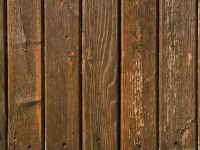
The heartwood of the Milicia excelsa and Milicia regia trees, found primarily in West Africa, is a durable and versatile material valued in various applications. This timber is known for its golden-brown hue, which darkens over time to a richer, reddish-brown. Possessing natural oils, it exhibits excellent resistance to decay, insects, and water damage, making it a suitable choice for both indoor and outdoor projects. It is often compared to teak in terms of its properties and aesthetics.
Its strength and stability have made it a long-standing favorite in construction and woodworking. Historically, it has been employed in boatbuilding, furniture manufacturing, and flooring, owing to its resilience and ability to withstand harsh environmental conditions. Its use extends to crafting doors, windows, and veneer, where its attractive grain patterns enhance aesthetic appeal. The wood’s resistance to fungal growth is particularly advantageous in tropical climates.
The following sections will delve further into the specific applications, sustainable sourcing considerations, and comparative analyses of this valuable resource. These discussions aim to provide a deeper understanding of its properties, responsible utilization practices, and its place within the global timber market.
1. Durability
The inherent durability of this timber is a defining characteristic, directly influencing its widespread use in demanding applications. This resilience stems from its density, presence of natural oils, and inherent resistance to both fungal decay and insect infestation. The wood’s composition provides a natural defense against the elements, extending its lifespan significantly compared to less resistant wood species. The cause of this durability lies in its cellular structure and chemical makeup, resulting in a tangible effect on its performance in real-world scenarios. This aspect is not merely a desirable trait but an essential component, underpinning its suitability for long-term applications.
Examples of this durability are readily observed in various applications. Its historical use in boatbuilding is a testament to its ability to withstand constant exposure to water and marine organisms. Similarly, its application in exterior joinery, such as doors and windows, showcases its resistance to weathering and decay. In tropical climates, where humidity and insect activity are prevalent, its resistance to fungal growth and termite attacks is particularly valuable. Furthermore, its use in high-traffic flooring demonstrates its capacity to endure wear and tear, maintaining its structural integrity and aesthetic appeal over extended periods.
In summary, the durability of this timber is a crucial factor driving its selection for a wide range of applications. This property provides practical advantages, including reduced maintenance requirements, extended service life, and resistance to environmental degradation. Understanding the source and implications of this durability is essential for making informed decisions regarding material selection and ensuring the longevity of structures and products crafted from this valuable resource. The challenge lies in maintaining sustainable harvesting practices to ensure the continued availability of this durable material for future generations.
2. Workability
The workability of iroko wood is a significant factor influencing its utilization across diverse woodworking projects. This characteristic refers to the ease with which the timber can be sawn, planed, shaped, and otherwise manipulated using both hand tools and machinery. Understanding the specific aspects of its workability is crucial for achieving optimal results and minimizing potential challenges during the fabrication process.
-
Machining Properties
Iroko wood exhibits good machining properties, responding well to various cutting and shaping operations. It can be readily sawn with minimal blunting of saw blades, although its density may necessitate the use of sharper cutting edges. Planing can produce smooth surfaces, but the interlocked grain can sometimes lead to tear-out, particularly when working against the grain. The use of sharp, well-tuned tools and a shallow angle of cut is recommended to minimize this issue. Overall, it is considered a relatively easy timber to machine compared to some denser hardwoods.
-
Nailing and Screwing
Iroko possesses satisfactory nailing and screwing properties. Pre-drilling is advisable, particularly when working near the edges of the wood, to prevent splitting. The timber holds screws well, providing a secure and lasting fastening. Its density allows for a firm grip on screws, ensuring structural integrity in assembled components. However, it is essential to use corrosion-resistant fasteners, especially in outdoor applications, to prevent staining and degradation of the surrounding wood.
-
Gluing
Gluing iroko wood requires careful surface preparation. Its natural oils can sometimes interfere with adhesive bonding, necessitating thorough cleaning and degreasing of the surfaces before applying glue. A variety of adhesives, including epoxy resins and polyurethane glues, can be used successfully, provided that the manufacturer’s instructions are followed closely. Clamping pressure should be applied evenly to ensure proper adhesion and prevent movement during the curing process. A test joint is always recommended to verify the compatibility of the chosen adhesive with the specific batch of timber.
-
Finishing
Iroko accepts a wide range of finishes readily. Its natural oils provide some inherent protection but do not preclude the application of varnishes, stains, and sealants. It is important to consider the wood’s tendency to darken over time when selecting a finish. Clear finishes will enhance the wood’s natural color, while stains can be used to alter its appearance. Proper surface preparation, including sanding to a smooth finish, is essential for achieving optimal results. Furthermore, the application of a wood sealer or primer can help to ensure even penetration of the finish and improve its durability.
In conclusion, the favorable workability of iroko wood contributes significantly to its versatility and widespread use in woodworking. While certain precautions are necessary to address potential challenges such as tear-out and gluing issues, the timber’s overall ease of machining, fastening, and finishing makes it a preferred choice for a variety of projects, ranging from furniture making to boat construction. Its workability, combined with its durability and aesthetic appeal, ensures its continued popularity among woodworkers and designers.
3. Grain Pattern
The grain pattern exhibited by Milicia excelsa and Milicia regia is a critical factor influencing its aesthetic appeal and practical applications. The interlocking of fibers creates distinctive visual textures that vary across different cuts and grades, contributing to its unique character and perceived value.
-
Interlocked Grain
The prevalence of interlocked grain is a defining feature. This pattern results from the fibers growing in a spiral or helical fashion around the tree trunk, causing the grain direction to alternate periodically. This interlocking contributes to the wood’s strength and resistance to splitting but can also present challenges during machining, requiring careful consideration of cutting angles to minimize tear-out.
-
Texture Variations
The texture can range from medium to coarse, depending on growth conditions and specific tree characteristics. Quarter-sawn boards often display a straighter grain pattern, while plain-sawn boards may exhibit more pronounced figuring, including cathedrals or flame-like patterns. These variations offer designers a wide range of aesthetic choices, allowing them to select pieces that best suit the intended application and desired visual effect.
-
Figure and Markings
Knots, burls, and other irregularities in growth can introduce unique figures and markings. These natural features enhance its aesthetic appeal, making each piece distinct. The presence and distribution of these figures can significantly impact the value and desirability of the timber, particularly in decorative applications such as veneer and high-end furniture.
-
Impact on Finishing
The grain pattern influences the way the wood accepts finishes. Open-grained areas tend to absorb more finish, while denser areas absorb less, resulting in variations in color and sheen. Understanding these nuances is crucial for achieving a consistent and visually appealing finish. Proper sanding and sealing techniques can help to mitigate these variations and enhance the overall aesthetic outcome.
In summary, the grain pattern of this material is a complex interplay of natural characteristics that contribute to its unique aesthetic and practical properties. The interlocking grain, texture variations, figures, and their impact on finishing all play a role in determining its suitability for various applications. Appreciating these nuances allows for informed selection and effective utilization, maximizing its aesthetic and functional potential.
4. Natural Oils
The presence of natural oils within the cellular structure of Milicia excelsa and Milicia regia plays a pivotal role in defining its characteristic properties and influencing its suitability for diverse applications. These oils, complex mixtures of organic compounds, contribute significantly to the wood’s durability, resistance to environmental degradation, and overall performance. The cause-and-effect relationship is evident: the presence of these oils directly results in enhanced resistance to moisture absorption, fungal attack, and insect infestation. Their importance as a component is underscored by the fact that timber lacking comparable oil content typically requires chemical treatments to achieve similar levels of protection. A real-life example lies in its widespread use in marine construction where its inherent oil content provides a natural defense against the constant exposure to water and marine organisms, reducing the need for frequent maintenance and replacement. The practical significance of this understanding lies in enabling informed material selection and reducing reliance on potentially harmful chemical preservatives.
The specific composition and concentration of these oils vary depending on the growing conditions, age, and genetic factors of the tree. However, common components include terpenes, phenols, and other extractives that possess antimicrobial and water-repellent properties. These oils effectively create a barrier, impeding the penetration of moisture and inhibiting the growth of decay-causing fungi. Furthermore, they act as a natural deterrent to wood-boring insects, further extending the lifespan of the timber. The practical application of this knowledge extends to optimizing processing and finishing techniques. For example, it is necessary to degrease the surface prior to gluing to ensure proper adhesion, as the presence of these oils can interfere with the bonding process. Similarly, the selection of appropriate finishes should consider the wood’s oil content to ensure compatibility and longevity of the applied coating.
In conclusion, the natural oils present in Milicia excelsa and Milicia regia are a fundamental determinant of its desirable qualities. Their presence confers significant advantages in terms of durability, resistance to degradation, and reduced maintenance requirements. While challenges exist in managing the oils’ influence on processing and finishing, a comprehensive understanding of their composition and properties is essential for maximizing the value and ensuring the long-term performance of this valuable resource. Continued research into the specific compounds and their mechanisms of action is crucial for further optimizing its utilization and promoting sustainable management practices.
5. Sustainability
The sustainability of Milicia excelsa and Milicia regia harvesting is a paramount concern given the increasing global demand for timber resources and the ecological importance of West African rainforests. Responsible sourcing and forest management practices are critical to ensure the long-term availability of this valuable wood while minimizing environmental impact.
-
Sustainable Forestry Practices
Implementation of sustainable forestry practices is essential for maintaining healthy populations of these trees. This includes selective logging, which involves harvesting only mature trees while leaving younger ones to grow, and implementing reduced-impact logging techniques to minimize damage to the surrounding forest ecosystem. Forest certification programs, such as those offered by the Forest Stewardship Council (FSC), provide a mechanism for verifying that timber comes from sustainably managed sources. For example, certified Milicia excelsa from Cameroon ensures adherence to strict environmental and social standards, promoting responsible forestry practices. The implications of non-certified logging include habitat destruction, biodiversity loss, and increased carbon emissions.
-
Reforestation and Afforestation Efforts
Active reforestation and afforestation programs are necessary to replenish harvested areas and expand the overall forest cover. Planting Milicia excelsa seedlings in degraded or deforested areas helps to restore the forest ecosystem and ensures a future supply of timber. Community involvement in these initiatives is crucial for their success, as local populations have a vested interest in the long-term health of the forest. An example of effective reforestation is the establishment of tree nurseries and planting programs in Ghana, where communities are actively involved in cultivating and planting Milicia excelsa seedlings. The implications of neglecting reforestation include reduced timber availability, soil erosion, and decreased carbon sequestration.
-
Combating Illegal Logging
Illegal logging poses a significant threat to the sustainability of Milicia excelsa resources. Unregulated harvesting practices can lead to overexploitation of forests, habitat destruction, and loss of biodiversity. Strengthening law enforcement and implementing effective monitoring and tracking systems are essential for combating illegal logging activities. International collaborations and trade regulations also play a crucial role in preventing the import and export of illegally harvested timber. An example is the implementation of timber legality verification systems in exporting countries, which require proof of legal origin for all timber shipments. The implications of unchecked illegal logging include depletion of timber resources, economic losses for legitimate forestry operations, and environmental degradation.
-
Community Involvement and Empowerment
Engaging local communities in sustainable forest management is vital for ensuring the long-term success of conservation efforts. Providing communities with economic incentives and empowering them to manage forest resources fosters a sense of ownership and responsibility. This can involve creating sustainable livelihood opportunities related to forestry, such as eco-tourism, non-timber forest product harvesting, and community-based forestry enterprises. An example is the establishment of community forest management programs in Nigeria, where local communities are granted rights to manage and benefit from forest resources in exchange for adhering to sustainable harvesting practices. The implications of neglecting community involvement include increased deforestation, social conflict, and inequitable distribution of benefits from forest resources.
In conclusion, ensuring the sustainability of Milicia excelsa requires a multifaceted approach that encompasses sustainable forestry practices, reforestation efforts, combating illegal logging, and community involvement. These interconnected strategies are essential for preserving this valuable timber resource while safeguarding the ecological integrity of West African forests and promoting the well-being of local communities.
Tips for Working with Iroko Wood
Successful utilization of this timber hinges on understanding its inherent characteristics and employing appropriate techniques. The following recommendations are provided to optimize results and minimize potential challenges when working with this material.
Tip 1: Mitigate Tear-Out During Machining: The interlocked grain can lead to tear-out during planing or routing. Employ sharp tools, reduce the cutting angle, and consider climb-cutting techniques to minimize this effect. A backer board can also provide support and prevent splintering on the exit side of cuts.
Tip 2: Address Oily Surfaces Before Gluing: The natural oils can inhibit proper adhesion. Degrease the surfaces with a solvent like acetone or denatured alcohol before applying glue. A light sanding can also improve adhesion. Select an adhesive suitable for oily woods, such as epoxy or polyurethane glue.
Tip 3: Pre-Drill for Fasteners: Its density can make it prone to splitting when driving nails or screws. Pre-drilling pilot holes ensures secure fastening without damaging the wood. Use corrosion-resistant fasteners, especially for exterior applications, to prevent staining.
Tip 4: Allow for Color Change: This timber naturally darkens over time, particularly when exposed to sunlight. Factor this into the choice of finish, and consider using a UV-resistant coating to slow the darkening process. Test finishes on a small, inconspicuous area to preview the final color.
Tip 5: Select Quarter-Sawn Boards for Stability: Quarter-sawn lumber exhibits greater dimensional stability and less tendency to warp or cup compared to plain-sawn boards. This is particularly important for applications where dimensional stability is critical, such as doors or window frames.
Tip 6: Consider Dust Extraction: Sawdust can be irritating to the skin and respiratory system. Use dust extraction equipment when machining or sanding the wood, and wear appropriate personal protective equipment, such as a dust mask or respirator.
Tip 7: Proper Storage to prevent Stain: Prolonged contact with iron can cause staining due to the presence of tannic acid, always store in a dry and safe enviroment.
Adherence to these tips will contribute to improved workability, enhanced finish quality, and increased longevity of projects crafted from this durable resource.
The subsequent section will provide a concluding summary encompassing the properties, applications, and sustainable utilization of this remarkable timber.
Conclusion
This exploration has elucidated the multifaceted nature of iroko wood, underscoring its significance in construction, woodworking, and various specialized applications. The discussion addressed its inherent durability stemming from natural oils, its workability with consideration for machining techniques, the aesthetic appeal of its grain patterns, and the critical importance of sustainable sourcing. From its resistance to decay and insects to its dimensional stability and versatility in finishing, the properties of iroko wood have been thoroughly examined. Additionally, practical tips for working with this material have been provided to optimize its utilization.
The long-term viability of iroko wood as a valuable resource hinges upon a sustained commitment to responsible forestry practices. Continued diligence in combating illegal logging, promoting reforestation, and empowering local communities to engage in sustainable management strategies is imperative. The future utilization of iroko wood demands a balanced approach that respects both its inherent value and the ecological integrity of the forests from which it originates.