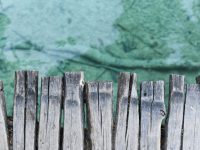
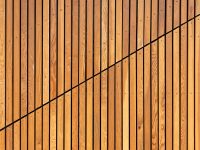
Planks used to construct the surface of an outdoor platform are essential components of recreational and functional outdoor spaces. These elements provide a walking surface and contribute significantly to the overall aesthetics and structural integrity of the platform itself. The materials used for these planks can vary widely, from natural wood species to composite materials engineered for enhanced durability.
The selection of appropriate material dictates the longevity and maintenance requirements of the outdoor platform. Weather resistance, resistance to insect infestation, and structural stability are critical factors to consider. Historically, wood has been the prevalent choice, but modern materials offer improved performance characteristics and can significantly reduce the need for ongoing upkeep, extending the service life of the entire structure. Furthermore, these surfaces enhance outdoor living by providing space for dining, relaxation, and entertainment.
The subsequent sections will explore various materials available for platform construction, installation techniques, maintenance best practices, and factors influencing material selection, ensuring informed decision-making for optimal outdoor living spaces.
1. Material Composition
The material composition of surface planks profoundly influences their performance and suitability for outdoor platform applications. The specific constituents of a plank dictate its resistance to moisture, ultraviolet (UV) radiation, insect infestation, and fungal decay. For example, naturally durable hardwoods, such as teak or redwood, possess inherent oils and extractives that provide a degree of protection against these degradation factors. Conversely, softwood lumber, like pine, typically requires pressure treatment with chemical preservatives to enhance its resistance to biological attack and prolong its service life. Understanding the inherent properties of different wood species or the formulation of composite materials is, therefore, fundamental to selecting appropriate planks for a given environment.
Composite materials, engineered for enhanced durability and reduced maintenance, offer an alternative to traditional wood planks. These composites typically consist of a blend of wood fibers and recycled plastic, offering a balance of aesthetics and performance. The ratio of wood to plastic, as well as the specific type of plastic used (e.g., polyethylene, polypropylene, or polyvinyl chloride), significantly affects the composites structural integrity, thermal expansion characteristics, and resistance to staining and fading. Furthermore, the inclusion of additives, such as UV inhibitors and antimicrobial agents, can further enhance the composites performance in harsh outdoor conditions. A case study involving the replacement of deteriorated wooden planks with composite planks in a coastal environment demonstrated a significant reduction in maintenance costs and an extension of the platforms lifespan by over a decade.
In conclusion, the material composition of outdoor surface planks serves as a primary determinant of their durability, maintenance requirements, and long-term performance. A thorough understanding of the properties inherent in different materialsbe they natural wood species or engineered compositesis essential for making informed decisions that ensure the creation of safe, aesthetically pleasing, and sustainable outdoor living spaces. Neglecting this consideration can lead to premature failure, increased maintenance costs, and potential safety hazards.
2. Load Capacity
The load capacity of surface planks directly dictates the structural integrity and safety of any elevated platform. It represents the maximum weight the planks can bear without experiencing deformation, failure, or collapse. The selection of planks with appropriate load-bearing capabilities is paramount to ensuring the platform can safely accommodate its intended use, including pedestrian traffic, furniture, equipment, and potential snow accumulation. Insufficient load capacity can lead to catastrophic structural failures, posing significant safety risks to users.
Material selection and plank dimensions are primary determinants of load capacity. For instance, hardwood planks, owing to their higher density and inherent strength, typically exhibit greater load-bearing capabilities compared to softwood alternatives. Similarly, increasing the thickness and width of the planks enhances their resistance to bending and deflection under load. Engineering standards, such as those published by the American Wood Council, provide guidance on calculating the allowable load capacity for various wood species and plank dimensions based on factors such as span length and anticipated load distribution. Composite planks also have specified load capacities determined by their composition and manufacturing process.
Proper installation techniques are equally crucial in ensuring the designed load capacity is achieved. Securely fastening the planks to the supporting joists with appropriate fasteners and employing adequate spacing between joists are essential for distributing the load evenly and preventing localized stress concentrations. Regular inspections and maintenance are necessary to identify and address any signs of structural weakness or deterioration, such as sagging, cracking, or loose fasteners, which can compromise the platforms load-bearing capacity. Failure to consider and adhere to established load capacity guidelines can result in hazardous conditions and costly repairs.
3. Weather Resistance
The longevity and performance of surface planks are intrinsically linked to their ability to withstand environmental factors. Weather resistance, therefore, constitutes a critical performance characteristic. Exposure to moisture, ultraviolet (UV) radiation, temperature fluctuations, and freeze-thaw cycles directly impacts the structural integrity and aesthetic appeal of the platform surface. The material’s capacity to resist these elements determines its service life and the frequency of required maintenance. Failure to adequately address weather resistance during material selection can result in premature degradation, leading to costly repairs or complete replacement.
Consider the effect of moisture. Unprotected wood planks absorb water, promoting fungal growth and decay. This process weakens the material’s structural integrity, leading to warping, cracking, and eventual failure. Similarly, UV radiation degrades the lignin in wood, causing discoloration, surface checking, and a reduction in strength. Temperature fluctuations induce expansion and contraction, placing stress on fasteners and potentially leading to joint failure. Composite materials, while generally more resistant to moisture and decay than untreated wood, can still be susceptible to UV degradation and thermal expansion issues depending on their specific composition. For example, a platform constructed with untreated pine in a humid coastal environment might require replacement within five years due to rot, while a platform built with properly sealed pressure-treated lumber or a high-quality composite material could last for decades.
In summary, weather resistance is a non-negotiable attribute for surface planks used in outdoor platform construction. Understanding the specific environmental stressors in a given location and selecting materials accordingly are essential for ensuring a durable, safe, and aesthetically pleasing structure. Proper installation techniques, including adequate ventilation and drainage, and regular maintenance practices, such as sealing and cleaning, further enhance the weather resistance and extend the lifespan of the platform surface. Neglecting these considerations can compromise the investment and create potential safety hazards.
4. Installation Method
The procedure employed to affix surface planks to a supporting substructure fundamentally influences the structural integrity, longevity, and aesthetic quality of the finished platform. Proper installation techniques are critical for maximizing the performance characteristics of the chosen material and ensuring a safe and durable outdoor space.
-
Fastener Selection and Placement
The type of fastener utilized and its precise placement are paramount for securing surface planks. Corrosion-resistant screws are generally preferred over nails to prevent loosening and material degradation over time. The spacing of fasteners must align with manufacturer recommendations and account for anticipated load distribution. Inadequate fastener selection or spacing can lead to cupping, warping, and potential structural failure.
-
Substructure Preparation and Alignment
A level and adequately supported substructure is essential for achieving a uniform and stable surface. Joist spacing must adhere to building codes and material specifications to prevent excessive deflection under load. Proper alignment of the substructure ensures that surface planks are installed without undue stress, minimizing the risk of warping or cracking.
-
Gapping and Expansion
Surface planks expand and contract with changes in temperature and humidity. Adequate gapping between planks is necessary to accommodate this movement and prevent buckling or cupping. The appropriate gap size varies depending on the material and local climate conditions. Failure to account for expansion can lead to significant structural problems.
-
Cutting and Edge Treatment
Precise cutting and proper edge treatment are crucial for achieving a professional and durable finish. Clean cuts minimize splintering and provide a tight fit against adjacent planks. Sealing cut edges with appropriate protectants prevents moisture intrusion and extends the lifespan of the material.
In summary, the installation method is inextricably linked to the long-term performance of platform surfaces. Adherence to best practices and manufacturer guidelines is essential for realizing the full potential of the chosen material and creating a safe and aesthetically pleasing outdoor space. Neglecting these considerations can compromise the integrity of the structure and lead to premature failure, regardless of the quality of the surface planks themselves.
5. Maintenance Requirements
The long-term viability and aesthetic appeal of surface planks are inextricably linked to diligent adherence to established maintenance protocols. Neglecting these requirements precipitates degradation, diminishes structural integrity, and necessitates premature replacement. Material selection, while crucial, does not negate the imperative for ongoing maintenance. Rather, it dictates the specific nature and frequency of necessary interventions. For instance, pressure-treated lumber mandates periodic application of sealant to mitigate water absorption and prevent warping, whereas composite materials typically require less frequent but equally important cleaning to remove mold, mildew, and accumulated debris. Failure to address these maintenance needs results in accelerated deterioration, compromising both the safety and visual appeal of the outdoor platform.
Consider the scenario of a platform constructed with redwood, a naturally durable wood known for its resistance to decay. While redwood possesses inherent protective qualities, prolonged exposure to sunlight and moisture can still lead to discoloration and surface checking. Regular cleaning with a mild detergent and subsequent application of a UV-resistant sealant can mitigate these effects, preserving the wood’s natural beauty and extending its lifespan. Conversely, a platform constructed with composite planks, often touted for their low-maintenance characteristics, can suffer from staining and mold growth if not regularly cleaned. Furthermore, the accumulation of debris between planks can impede drainage, creating an environment conducive to decay and potentially compromising the substructure.
In conclusion, effective maintenance is not merely an ancillary consideration but an indispensable component of surface plank longevity and performance. The specific maintenance regime should be tailored to the material composition and environmental conditions, encompassing regular cleaning, sealing, and inspection for signs of damage or deterioration. Proactive maintenance minimizes the risk of structural failure, preserves aesthetic appeal, and ultimately represents a sound investment in the long-term value and usability of the outdoor living space. Failure to prioritize maintenance leads to accelerated degradation, increased repair costs, and potential safety hazards.
6. Aesthetic Appeal
The visual characteristics of platform surfaces significantly contribute to the overall ambience and perceived value of outdoor living spaces. The selection of materials, colors, and patterns for these planks directly impacts the aesthetic integration of the platform with its surrounding environment and the architectural style of the adjacent structure.
-
Color and Tone
The hue and saturation of surface planks profoundly influence the visual perception of the platform. Light-colored planks can create a sense of spaciousness and reflect sunlight, while darker tones evoke a more intimate and sophisticated atmosphere. The choice of color should complement the existing landscape and architectural elements to achieve a harmonious design. For instance, a platform bordering a modern home might benefit from the sleek, uniform appearance of grey composite planks, whereas a platform situated within a rustic garden setting could be enhanced by the warm, natural tones of cedar.
-
Grain Pattern and Texture
The visual texture and grain pattern of surface planks contribute to the tactile and aesthetic experience of the platform. Natural wood planks exhibit unique grain variations that add character and visual interest. Composite materials can be manufactured with embossed textures that mimic the appearance of natural wood, offering a blend of aesthetics and durability. The choice of texture can also impact slip resistance, particularly in wet conditions. A rougher texture provides enhanced traction, while a smoother surface may be easier to clean.
-
Plank Width and Layout
The width and arrangement of surface planks influence the perceived scale and proportion of the platform. Wider planks can create a more expansive feel, while narrower planks can add visual detail. The layout pattern, such as parallel, diagonal, or herringbone, can further enhance the aesthetic appeal of the platform. For example, a diagonal layout can visually lengthen a narrow platform, while a herringbone pattern can add a touch of sophistication to a larger space.
-
Edge Detailing and Transitions
The treatment of edges and transitions between the platform and adjacent surfaces contributes to the overall aesthetic cohesiveness of the design. Beveled edges can soften the appearance of the platform and improve safety by reducing the risk of tripping. Seamless transitions between the platform and surrounding patios or walkways create a unified and harmonious outdoor living space. The integration of lighting elements, such as recessed LEDs along the edges of the platform, can further enhance its aesthetic appeal and functionality.
The integration of these aesthetic considerations within the planning stage for platform construction amplifies the inherent value of the outdoor space. The careful selection of materials, colors, textures, and design elements ensures that the platform becomes a visually appealing and functionally integrated extension of the home. Failure to address these factors can result in a visually jarring or aesthetically unappealing structure that detracts from the overall value and enjoyment of the outdoor living area.
Surface Plank Best Practices
The following outlines crucial considerations for ensuring the optimal performance and longevity of outdoor platform surfacing.
Tip 1: Prioritize Material Selection Based on Climate: Selecting surface material demands careful consideration of the local climate. Coastal environments necessitate materials resistant to saltwater corrosion, while regions with significant temperature fluctuations require options with minimal expansion and contraction properties. Evaluate average rainfall, UV exposure levels, and potential for frost heaves to inform the material choice.
Tip 2: Adhere to Load Capacity Specifications: Surface planks must possess adequate load-bearing capacity for intended use. Consult manufacturer specifications and local building codes to ascertain appropriate plank thickness, joist spacing, and fastener requirements. Underestimating load requirements can compromise structural integrity and pose safety hazards.
Tip 3: Implement Proper Gapping for Expansion: Thermal expansion and contraction are inherent properties of most surface materials. Install planks with appropriate spacing as specified by the manufacturer. Failure to provide adequate gapping can result in buckling, warping, or fastener failure.
Tip 4: Utilize Corrosion-Resistant Fasteners: Select fasteners designed for outdoor use and compatible with the chosen surface material. Stainless steel or coated screws are recommended to prevent corrosion and ensure secure attachment to the substructure. Pre-drilling pilot holes is advisable to minimize splitting and ensure proper fastener engagement.
Tip 5: Apply Protective Sealants Regularly: Untreated wood surfaces require periodic application of protective sealants to mitigate moisture absorption, UV degradation, and insect infestation. Select sealants formulated for outdoor use and compatible with the specific wood species. Follow manufacturer instructions for application frequency and technique.
Tip 6: Ensure Adequate Substructure Ventilation: Proper ventilation beneath the surface planks is critical for preventing moisture accumulation and promoting drying. Design the substructure with adequate air circulation to minimize the risk of rot, mold, and mildew growth. Consider incorporating ventilation gaps or weep holes to facilitate drainage.
Tip 7: Perform Regular Inspections and Maintenance: Conduct periodic inspections of surface planks to identify signs of damage, deterioration, or fastener loosening. Address any issues promptly to prevent further degradation and maintain structural integrity. Clean surfaces regularly to remove debris and prevent staining.
These guidelines, when diligently followed, contribute significantly to the creation of safe, durable, and aesthetically pleasing outdoor platforms. Neglecting these best practices can lead to premature failure, increased maintenance costs, and potential safety risks.
The subsequent section will summarize the essential elements outlined in this discussion, leading to a concluding perspective on platform surface selection and maintenance.
Conclusion
This exploration has highlighted the multifaceted considerations inherent in selecting and maintaining appropriate surface planks for outdoor platforms. Material composition, load capacity, weather resistance, installation methods, maintenance requirements, and aesthetic appeal each play a critical role in determining the longevity, safety, and visual impact of the structure. Informed decision-making across these areas is paramount.
Therefore, the responsible selection and diligent upkeep of platform surfaces represents a long-term investment. Prioritizing durability, safety, and aesthetic integration ensures the creation of functional and visually pleasing outdoor spaces that enhance property value and provide lasting enjoyment. Continued adherence to best practices and a commitment to proactive maintenance are essential for realizing the full potential of these exterior elements.