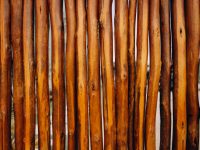
Material derived from a deciduous tree in the genus Quercus, known for its strength, durability, and distinctive grain pattern. It is commonly utilized in furniture making, flooring, and construction due to its robust characteristics and aesthetic appeal.
The resource possesses significant value owing to its longevity and resistance to decay, making it a preferred choice for items intended to withstand the passage of time. Historically, it has been prized for shipbuilding, barrel making, and as a source of tannins used in leather production. Its use reflects a long-standing appreciation for its practical and ornamental qualities.
The subsequent sections will elaborate on specific applications, grading systems, and preservation techniques relevant to this valuable material, providing a more in-depth understanding of its characteristics and utilization.
1. Density
The density of this specific material directly correlates with its strength, durability, and overall suitability for load-bearing applications. Higher density generally indicates a greater proportion of cell wall material per unit volume, resulting in increased resistance to deformation and stress. The effect of density on performance is observable in its utilization in structural beams, flooring, and heavy-duty furniture, where resistance to bending and compression is paramount. Variations in density, influenced by growth rate and environmental factors, can significantly impact the material’s performance and longevity.
Specific examples of the practical significance of density can be found in comparing different species within the Quercus genus. White varieties, known for their high density (typically around 750 kg/m), are often selected for shipbuilding and barrel making, due to their impermeability and structural integrity. Conversely, red varieties, with a slightly lower density (around 690 kg/m), are frequently used in furniture making, where a balance of strength and workability is desired. Precise measurement and understanding of density allows for the informed selection of specific stocks for intended applications, maximizing performance and minimizing risk of failure.
In summary, the inherent density of this natural resource is a critical determinant of its mechanical properties and application suitability. Variations necessitate careful consideration and selection based on project-specific requirements. Challenges arise in accurately assessing density in non-uniform or treated materials, requiring advanced testing methods. A comprehensive understanding of the relationship between density and performance is therefore essential for achieving optimal results in construction, manufacturing, and related fields.
2. Durability
The inherent durability of material extracted from trees in the Quercus genus constitutes a primary attribute defining its widespread utilization. This attribute stems from a combination of factors, including a high concentration of tannins, which impart resistance to fungal decay and insect infestation. The effect of this resilience is observable in the longevity of structures and artifacts constructed from this resource, some of which endure for centuries. The durability is not merely a passive characteristic but an active component of its value, reducing maintenance costs and extending the service life of finished goods.
Practical applications exemplify the significance of this durability. Historically, its use in shipbuilding leveraged its resistance to rot in marine environments. Similarly, its presence in timber-framed buildings demonstrates its capacity to withstand environmental stressors over extended periods. Modern applications continue to prioritize this characteristic, as evidenced by its selection for exterior cladding, decking, and high-traffic flooring where resistance to wear and tear is crucial. Proper drying and preservation techniques further enhance this inherent durability, mitigating potential weaknesses and maximizing lifespan.
In summary, the long-lasting quality of this material is a fundamental property driving its selection across diverse applications. While factors such as species, environmental conditions, and processing methods can influence the degree of resilience, the basic inherent properties provide a foundation for long-term performance. Challenges remain in predicting lifespan in extreme environments and developing sustainable harvesting practices that ensure its continued availability. An understanding of the factors contributing to the longevity of this natural product is therefore essential for both maximizing its utility and ensuring responsible resource management.
3. Grain Pattern
The visible arrangement of fibers and vessels constitutes a defining characteristic and significant aesthetic element. This inherent design influences both the structural properties and visual appeal of the material, playing a crucial role in its selection for various applications.
-
Medullary Rays
These radial structures, prominent in quarter-sawn varieties, contribute to a distinctive “flake” or “ray fleck” pattern. This characteristic is highly valued in furniture making and decorative veneers, where the aesthetic appeal is paramount. The presence of prominent rays is indicative of the specific cut and contributes to the material’s stability and resistance to warping.
-
Growth Rings
Annual growth rings delineate the wood’s age and growth rate, providing visual information regarding environmental conditions and tree health. The width and consistency of these rings impact the wood’s density and strength. Tightly spaced rings often indicate slower growth and increased density, while wider rings may signify rapid growth and lower density.
-
Open vs. Closed Grain
Variations exhibit either an open or closed grain structure. Open-grained varieties, such as red varieties, possess larger pores that require filling for a smooth finish. Closed-grained species, like white varieties, have finer pores and a naturally smoother surface. The choice between open and closed grain influences the finishing process and the final appearance of the wood.
-
Figure and Irregularities
Knots, burls, and other irregularities contribute to unique patterns and visual interest. While these features may reduce structural integrity in some applications, they are often prized for their decorative value. These irregularities can enhance the visual texture and create distinctive pieces of furniture and artwork.
The interplay of these facets within the grain pattern provides an array of visual and structural characteristics influencing its selection and application. The grain pattern not only impacts the aesthetic appeal of finished products but also provides insights into the material’s properties and performance. The effective utilization relies on a comprehensive understanding of these elements.
4. Workability
The capacity of being shaped, cut, and finished directly influences its suitability for diverse woodworking projects. Ease of manipulation dictates the efficiency of production processes and the complexity of designs that can be realized. The workability of this material, while generally considered good, is nuanced and dependent on factors such as species, density, and grain orientation.
-
Cutting and Sawing
Different grades respond variably to cutting and sawing operations. Denser varieties, such as white, exhibit a higher resistance to cutting, necessitating sharper tools and increased power. Red varieties, possessing slightly lower density, generally offer easier cutting. The presence of medullary rays can cause tear-out during sawing, requiring careful blade selection and feed rate adjustments.
-
Planing and Shaping
Achieving a smooth surface through planing and shaping requires attention to grain direction. Planing against the grain results in chipping and tear-out, particularly in areas with irregular grain patterns. Sharp tools and shallow cutting depths are essential for minimizing these issues. Power tools, such as routers and jointers, demand careful setup and technique to achieve optimal results.
-
Joinery
Its strength makes it well-suited for various joinery techniques, including mortise-and-tenon, dovetail, and rabbet joints. However, its hardness can make precise fitting challenging. Pre-drilling pilot holes is often necessary to prevent splitting when driving screws or nails. The dimensional stability of this material ensures that joints remain tight and strong over time.
-
Finishing
Variations in pore size influence the finishing process. Open-grained varieties, like red, benefit from pore filling to create a smooth, even surface. Closed-grained species, such as white, often require less preparation. Both varieties accept stains and finishes well, allowing for a wide range of aesthetic effects. Proper sanding and surface preparation are crucial for achieving a professional-quality finish.
Ultimately, successful utilization hinges on understanding the specific workability characteristics of the selected resource. The careful selection of tools, techniques, and finishes, tailored to the material’s unique properties, maximizes efficiency and ensures the creation of high-quality, durable finished products. Ignoring the nuances of its workability can lead to frustration, wasted material, and suboptimal results.
5. Availability
The accessibility of raw material from trees in the Quercus genus is a critical factor influencing its cost, applications, and environmental impact. Understanding the dynamics of availability requires consideration of sustainable forestry practices, geographical distribution, and market forces that shape its supply chain.
-
Sustainable Forestry Management
Responsible harvesting practices significantly impact the long-term accessibility of this resource. Certification programs, such as the Forest Stewardship Council (FSC), promote sustainable forestry by ensuring that harvesting rates do not exceed regeneration capacity. The implementation of these practices is essential for maintaining a consistent supply of timber while preserving forest ecosystems. Failure to adopt such measures can lead to deforestation, habitat loss, and reduced availability in the future.
-
Geographical Distribution and Species Variations
The distribution of Quercus species varies significantly across the globe, influencing local availability and cost. Regions with abundant forests, such as North America and Europe, historically have a greater supply compared to areas with limited natural forests. Furthermore, variations in species, such as white and red, affect their suitability for specific applications and influence market demand. Localized depletion of particular species due to over-harvesting can create scarcity and drive up prices.
-
Market Demand and Economic Factors
Fluctuations in market demand for wood products, driven by construction, furniture manufacturing, and export markets, impact its availability and price. Economic downturns can decrease demand, leading to surplus and lower prices, while periods of economic growth can increase demand and create shortages. Trade policies, tariffs, and international agreements also play a role in regulating the flow of this resource across borders, influencing its accessibility in different regions.
-
Climate Change and Environmental Impacts
Changing climate patterns and increased frequency of extreme weather events pose a threat to the long-term accessibility. Droughts, wildfires, and insect infestations can damage forests and reduce the volume of harvestable timber. Efforts to mitigate climate change and promote forest resilience are essential for ensuring the continued availability of sustainable wood supplies. Climate-related disruptions to the supply chain can lead to price volatility and shortages, impacting industries that rely on this resource.
In conclusion, the sustained availability of the raw form hinges upon a complex interplay of ecological, economic, and political factors. Sustainable forestry management, geographical distribution, market forces, and environmental impacts collectively determine the supply of this material. Recognizing and addressing these factors is essential for ensuring its continued accessibility while mitigating potential environmental consequences.
6. Cost
The economic outlay associated with Quercus timber represents a significant factor governing its selection and utilization across various applications. The price is influenced by a confluence of factors, including species, grade, size, origin, processing methods, and market demand. A direct correlation exists between the quality of the timber and its monetary value; higher grades, characterized by fewer imperfections and superior grain patterns, command a premium. Furthermore, the scarcity of certain species or sizes, driven by limited supply or high demand, can elevate the price. Transportation costs, import duties, and retailer markups also contribute to the final expenditure.
Real-world examples illustrate the practical implications of cost considerations. In large-scale construction projects, the decision to use this material often involves a trade-off between durability, aesthetic appeal, and budgetary constraints. While its inherent strength and longevity may justify a higher initial investment, alternative materials, such as engineered wood products or less expensive timber species, may be selected to reduce expenses. In furniture manufacturing, the cost of lumber influences the design and construction methods employed. High-end furniture makers may utilize premium grades of Quercus to enhance the value and aesthetic appeal of their products, while mass-market manufacturers often opt for lower grades or alternative materials to maintain competitive pricing. The cost-effectiveness of using it is also evident in flooring applications, where the long lifespan and resistance to wear and tear can offset the higher initial price compared to cheaper flooring options.
In summary, the price associated with Quercus timber is a complex variable that dictates its feasibility across diverse applications. Understanding the factors influencing cost, such as species, grade, and market demand, is essential for making informed decisions. The economic implications extend beyond the initial purchase price, encompassing long-term maintenance costs and the overall value proposition. Balancing cost considerations with performance requirements enables the efficient and effective utilization of this resource.
Practical Guidance Regarding Material From Quercus Trees
The following recommendations are designed to provide insights into maximizing the utility and longevity of items crafted from Quercus trees. Adherence to these guidelines will optimize performance and mitigate potential degradation.
Tip 1: Control Environmental Humidity: Fluctuations in humidity levels can cause dimensional changes, leading to warping, cracking, or joint failure. Maintain consistent humidity levels (ideally between 30% and 50%) in environments where items are stored or used. Employ humidifiers or dehumidifiers as necessary.
Tip 2: Employ Appropriate Finishing Techniques: Select finishes compatible with Quercus species. Open-grained varieties, such as red, benefit from pore fillers to create a smooth, even surface. Always follow the manufacturer’s instructions for application and drying times to ensure proper adhesion and protection.
Tip 3: Use Proper Fasteners and Joinery Methods: The density requires the use of appropriate fasteners and robust joinery techniques. Pre-drill pilot holes to prevent splitting when using screws or nails. Consider mortise-and-tenon, dovetail, or other strong joinery methods to ensure structural integrity.
Tip 4: Protect from Direct Sunlight: Prolonged exposure to direct sunlight can cause fading, discoloration, and degradation of finishes. Employ window coverings or UV-resistant coatings to minimize the effects of ultraviolet radiation.
Tip 5: Implement Regular Cleaning Procedures: Dust and debris can accumulate on the surface, potentially damaging the finish over time. Clean regularly with a soft, damp cloth. Avoid using abrasive cleaners or harsh chemicals that can strip or dull the finish.
Tip 6: Monitor for Signs of Infestation: Periodically inspect for signs of insect infestation or fungal decay. Address any issues promptly to prevent extensive damage. Consider applying wood preservatives to vulnerable areas, particularly in humid environments.
Tip 7: Select Appropriate Species for Intended Use: Different species possess varying characteristics. White is generally more resistant to rot and decay, making it suitable for outdoor applications or areas prone to moisture. Red offers a balance of strength and workability, making it suitable for furniture and interior applications. Match species to the specific requirements of the project.
Adhering to these guidelines will enhance the performance, longevity, and aesthetic appeal of items constructed from this naturally resilient resource.
The following section presents a summary of grading systems and industry standards relating to this material.
Conclusion
This examination has detailed the multifaceted aspects of this valuable material, from its defining characteristics, such as density, durability, and grain pattern, to practical considerations of workability, availability, and cost. Through the analysis of these elements, a comprehensive understanding of its potential applications and limitations has been presented. Furthermore, guidance has been provided regarding best practices for ensuring its long-term performance and preservation.
The informed utilization of products derived from Quercus trees necessitates a thorough appreciation of their intrinsic properties and the environmental factors influencing their longevity. The continued responsible management and sustainable harvesting of Quercus species remain critical for preserving this valuable resource for future generations. Further investigation into advanced preservation techniques and innovative applications promises to unlock even greater potential and extend the lifespan of this historically significant material.