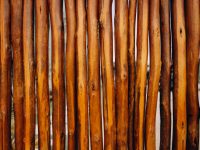
Ancient wood, preserved for centuries in peat bogs, possesses unique characteristics that set it apart. This material, typically oak, undergoes a natural process of fossilization due to the anaerobic conditions and acidic water within the bog. The result is timber that is significantly darker and harder than freshly felled oak. This transformation is a slow chemical process, altering the wood’s composition over extended periods.
The resulting material is highly prized for its aesthetic qualities and durability. Throughout history, it has been used in crafting furniture, sculptures, and architectural elements. Its rich, dark color offers a striking visual contrast, adding an element of prestige and age. Beyond its visual appeal, the increased density of the petrified wood offers enhanced resistance to decay and insect infestation, further contributing to its longevity.
The following sections will delve into the specific formation processes, the variety of applications it serves, and the sustainable practices employed in its retrieval and utilization, highlighting its continued relevance in contemporary woodworking and design.
1. Anaerobic preservation
Anaerobic preservation is the fundamental process enabling the formation of ancient wood. In the context of submerged peatlands, this absence of oxygen is critical for preventing the decay of organic material, specifically wood.
-
Inhibition of Decay Organisms
The lack of oxygen in peat bogs prevents the proliferation of aerobic bacteria and fungi, the primary agents of wood decomposition. This inhibition allows the wood’s cellular structure to remain largely intact over centuries, or even millennia, provided other conditions, such as acidity, are also met. Consequently, the wood, typically oak, experiences minimal biological degradation.
-
Tannic Acid Influence
Peat bogs are rich in tannic acids, released by decaying vegetation. These acids act as natural preservatives, further inhibiting microbial activity and contributing to the wood’s durability. The tannic acids react with the wood’s proteins, creating a chemical barrier against decomposition. This process imparts a characteristic dark color to the submerged wood.
-
Slow Fossilization Process
While decay is significantly reduced, anaerobic preservation initiates a slow fossilization process. Over time, minerals dissolved in the bog water gradually replace the organic components of the wood. This process increases the wood’s density and hardness, transforming it into a material that is distinct from freshly cut timber. This alteration is a key factor in the unique properties of ancient wood.
-
Environmental Stability
The consistent temperature and moisture levels within the bog contribute to the preservation process. Fluctuations in these conditions can accelerate decomposition, but the stable environment of the bog minimizes such risks. This consistent environment facilitates the slow, even transformation of the wood, ensuring its integrity over extended periods.
These factors collectively create the unique conditions under which submerged ancient wood forms. The anaerobic environment, combined with tannic acids, slow fossilization, and environmental stability, allows for the preservation of wood for thousands of years. This process is essential to the existence and characteristics of ancient wood, transforming it into a valuable material for both archaeological study and artistic application.
2. Dark coloration
The characteristic dark coloration of petrified wood found in peatlands is a direct consequence of the chemical reactions occurring during its prolonged submersion. Specifically, tannic acids present in the peat react with the wood’s constituents, primarily lignin and cellulose. These reactions lead to the formation of iron tannins and other complex compounds that deeply stain the wood fibers. The intensity of the coloration varies depending on the duration of submersion, the acidity of the bog water, and the specific type of tree. For instance, examples of timbers recovered from Irish bogs display colors ranging from deep brown to almost complete black, reflecting the varying conditions and timeframes of their preservation.
This acquired hue is not merely an aesthetic feature; it is an indicator of the wood’s chemical transformation and its enhanced durability. The tanning process not only darkens the wood but also contributes to its increased resistance to decay. Moreover, the distinctive color serves as a valuable identifier, distinguishing it from other types of aged wood. Craftsmen and artisans highly value this coloration for its unique visual appeal, incorporating it into high-end furniture, sculptures, and architectural elements. The dark color provides a natural contrast, accentuating the wood’s grain and adding a sense of history and prestige to the finished product.
Understanding the origin and significance of the dark coloration is essential for both the preservation and utilization of ancient wood. Proper handling and conservation techniques must consider the altered chemical composition of the wood, ensuring its long-term stability. Furthermore, appreciating the aesthetic value of the dark coloration enhances its application in design, allowing for the creation of pieces that celebrate the wood’s unique history and inherent beauty. The dark coloration, therefore, represents a key element in the identity and appeal of wood recovered from peat bogs.
3. Increased density
The heightened density observed in ancient wood from peat bogs is a direct consequence of prolonged submersion and the chemical processes that ensue. As the wood remains submerged for centuries, or even millennia, minerals present in the bog water gradually permeate its cellular structure. These minerals, including iron and silica, precipitate within the wood’s cells, effectively filling the voids and strengthening the overall matrix. This mineral infiltration displaces water and some organic compounds, leading to a net increase in the wood’s mass per unit volume. Consequently, the resulting material is significantly denser and heavier than comparable freshly felled timber. Examples of this phenomenon are readily apparent in the challenges faced during its extraction and processing, where specialized equipment is often required to handle the increased weight and hardness.
The increased density has profound implications for the properties and applications of the material. The enhanced structural integrity translates to greater resistance to bending, compression, and splitting. This characteristic makes it a desirable material for crafting durable furniture, architectural components, and even musical instruments. Moreover, the mineral-rich composition renders the material less susceptible to decay and insect infestation, further extending its lifespan. Instances of remarkably well-preserved structures and artifacts demonstrate the practical benefits of this increased density in resisting environmental degradation over extended periods. The inherent hardness also impacts its workability, necessitating specialized tools and techniques for shaping and finishing.
In summary, the increased density is a defining characteristic, fundamentally altering its physical properties and expanding its potential applications. This transformation, driven by mineral infiltration during submersion, results in a material with exceptional durability and aesthetic qualities. Understanding this process is crucial for the effective utilization and conservation of these ancient timbers, ensuring their continued value in both artistic and structural contexts. Challenges remain in the sustainable extraction and processing of this resource, requiring careful management to balance preservation with utilization.
4. Artistic medium
The utilization of ancient wood from peat bogs as an artistic medium represents a convergence of natural history and creative expression. Its unique properties, acquired through centuries of submersion, render it distinct from conventional timber and highly sought after by artists and artisans.
-
Sculptural Material
The density and hardness of this ancient wood facilitate the creation of intricate and durable sculptures. Artists leverage its fine grain and deep coloration to produce works that evoke a sense of history and timelessness. Examples include figurative sculptures, abstract forms, and decorative carvings, often commissioned for public spaces or private collections. The material’s inherent stability minimizes the risk of warping or cracking, ensuring the longevity of the artwork.
-
Furniture Design
The rich, dark hues of this wood are highly valued in furniture design, particularly for crafting statement pieces. Its use in tables, chairs, and cabinets adds an element of sophistication and historical significance to interior spaces. The material’s durability ensures that these pieces can withstand daily use and retain their aesthetic appeal for generations. Designers often incorporate it into contemporary settings, contrasting its dark tones with modern materials like glass and metal.
-
Decorative Arts
Beyond large-scale works, this wood is utilized in a variety of decorative arts, including jewelry, boxes, and small carvings. Its fine grain allows for intricate detailing, while its dark color provides a striking contrast against lighter materials. Craftspeople employ traditional woodworking techniques to create unique and valuable objects that showcase the wood’s inherent beauty and historical significance. These pieces often serve as conversation starters, sparking interest in the wood’s origins and unique properties.
-
Musical Instruments
The acoustic properties and density of ancient wood make it suitable for crafting certain musical instruments, particularly those requiring a resonant and stable soundboard. Luthiers have experimented with using this material in the construction of guitars, violins, and other stringed instruments, seeking to achieve a unique tonal quality. The wood’s inherent age and density can contribute to the instrument’s overall sound and durability, potentially enhancing its performance and longevity.
The application of this wood as an artistic medium not only celebrates its unique properties but also contributes to its preservation by promoting sustainable harvesting and utilization practices. Artists who work with this material often become advocates for its responsible management, ensuring that this valuable resource remains available for future generations. Its incorporation into art and design serves as a tangible link to the past, connecting contemporary audiences with the natural history and cultural heritage embedded within the wood itself.
5. Archaeological marker
Petrified wood found in peat bogs serves as a significant archaeological marker, providing insight into past environments and human activity. The presence of preserved wood within these anaerobic environments indicates the existence of forests in areas that are now peatlands. Analysis of the wood’s species, age, and condition yields valuable data regarding past climate, vegetation patterns, and land use. Furthermore, the discovery of worked timber, such as structural components or artifacts, demonstrates human interaction with these environments and provides evidence of past technologies and settlements. The age of the preserved wood can be determined through radiocarbon dating, establishing a chronological framework for these findings.
Discoveries of these ancient woods frequently occur during peat extraction, revealing submerged landscapes that were once terrestrial ecosystems. Examples include the recovery of prehistoric trackways constructed from timber, offering direct evidence of human mobility and engineering skills. Likewise, the presence of preserved tools or weapons alongside timbers suggests hunting or resource exploitation activities. The state of preservation also provides information regarding the environmental conditions at the time of submergence, such as water levels and acidity. The geographical distribution of discovered timber provides insights into historical trade routes and resource management practices.
Understanding the role of petrified wood as an archaeological marker is essential for reconstructing past landscapes and human interactions with the environment. The challenges associated with peatland archaeology include the destructive nature of peat extraction and the need for specialized excavation techniques. Proper documentation and analysis of discovered wood are critical for maximizing the information gained from these sites. In conclusion, petrified wood serves as a valuable resource for archaeological research, providing a tangible link to past environments and human cultures.
Navigating the Nuances of Bog Oak
The following recommendations are crucial for maximizing the appreciation, preservation, and appropriate utilization of petrified wood sourced from peat bogs.
Tip 1: Authentication is Essential: Prior to acquisition, conduct thorough due diligence to verify the wood’s origin and authenticity. Consult with reputable dealers and request certification to ensure that the material is genuine and legally sourced.
Tip 2: Controlled Drying is Paramount: Given its high moisture content upon retrieval, petrified wood requires slow and controlled drying to prevent cracking and warping. Employ a dehumidification chamber or air-drying process with consistent monitoring of humidity levels.
Tip 3: Specialized Tools are Required: The density and hardness necessitate the use of specialized woodworking tools, such as carbide-tipped blades and hardened steel chisels. Standard tools may dull quickly or sustain damage when working with this material.
Tip 4: Conservation Treatments are Beneficial: Consider applying conservation treatments, such as consolidants or sealants, to enhance the wood’s stability and protect it from environmental factors. Consult with a conservation specialist to determine the most appropriate treatment for the specific type and condition of the wood.
Tip 5: Ethical Sourcing is Imperative: Prioritize sourcing from suppliers who adhere to ethical and sustainable harvesting practices. Support initiatives that promote responsible peatland management and minimize environmental impact.
Tip 6: Understanding Grain Orientation is Crucial: Analyze the wood’s grain orientation carefully before cutting or shaping it. This will help to optimize its structural integrity and aesthetic appeal. Incorrect grain orientation can lead to weakness or instability in the finished product.
Tip 7: Consider Color Variation in Design: Appreciate the natural color variations inherent in petrified wood, ranging from dark brown to nearly black. Incorporate these variations into the design to create visually interesting and unique pieces. Avoid attempting to homogenize the color, as this can diminish the wood’s inherent character.
Implementing these guidelines will ensure the responsible use of this valuable resource, safeguarding its integrity and maximizing its potential in artistic and functional applications.
Further research into advanced preservation methods and sustainable sourcing initiatives will continue to enhance the long-term value of this unique material.
Conclusion
This exploration has illuminated the multifaceted nature of bog oak, extending beyond a mere type of wood. It represents a convergence of geological processes, historical context, and artistic potential. From its anaerobic formation in peat bogs to its use as an archaeological marker and a medium for artistic expression, this material occupies a unique position in both natural history and human culture. Its distinctive properties, including dark coloration and increased density, are direct results of its prolonged submersion and subsequent mineralization.
Continued research into sustainable harvesting practices and advanced preservation techniques is essential to ensure the responsible utilization of this finite resource. The ongoing appreciation for its unique properties, coupled with a commitment to ethical sourcing, will safeguard the long-term availability of bog oak, allowing future generations to benefit from its inherent value and historical significance. Its future hinges on informed stewardship and a respect for its complex origins.