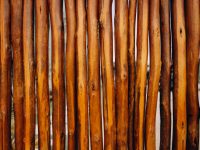
The designation refers to lumber derived from coniferous trees, typically evergreen species. Examples include pine, fir, cedar, and redwood. These trees generally grow at a faster rate than their deciduous counterparts, contributing to the characteristics of the resultant timber. This material is frequently used in construction and manufacturing due to its relative ease of working and availability.
The material offers numerous advantages. Its workability allows for efficient shaping and joining, reducing labor costs in various applications. The rapid growth of these trees contributes to a more sustainable source compared to slower-growing hardwoods. Historically, this type of lumber has been essential for building homes, furniture, and various other structures, shaping settlements and enabling trade across different regions. The benefits of this type of material have long been known throughout human history.
The following sections will further explore the properties, uses, and sustainable sourcing of this widely utilized resource. Detailed analysis will be given to understand its mechanical properties. Then, common applications in construction and furniture making will be looked at closely to give further background. Finally, sustainable forestry practices related to the material will be reviewed.
1. Workability
The ease of manipulation afforded by the cellular structure of this material is central to its widespread adoption in various industries. The low density and relatively large cell lumens allow for efficient cutting, shaping, and fastening, making it a practical choice for both large-scale construction and intricate craftsmanship.
-
Ease of Cutting and Shaping
Due to its lower density, this material requires less force to cut, shape, and mill compared to hardwoods. This translates to reduced wear and tear on tools and decreased energy consumption during manufacturing processes. For example, a skilled carpenter can create intricate moldings and detailed carvings with relative ease, enabling the production of complex designs without significant physical exertion.
-
Acceptance of Fasteners
The cellular structure allows for effective penetration and secure grip of screws, nails, and adhesives. This attribute is particularly important in construction, where structural integrity depends on reliable fastening methods. For instance, framing a house typically involves using nails to connect boards, and the material’s ability to hold these fasteners securely ensures the stability of the structure.
-
Surface Finishing
The wood’s consistent texture allows for the application of various finishes, including paints, stains, and varnishes. This enables manufacturers and artisans to achieve desired aesthetic effects with minimal effort. A smooth and even surface can be achieved through sanding, preparing the material for a wide range of finishing options that enhance its appearance and protect it from environmental factors.
-
Reduced Labor Costs
The combined effects of easy cutting, shaping, fastening, and finishing contribute to significant reductions in labor costs. The material’s workability shortens production times and reduces the need for specialized tools or highly skilled labor. For instance, in mass production of furniture, the efficiency gained from using this material translates directly into lower manufacturing costs and competitive pricing.
These facets highlight the fundamental role the characteristic described plays in the widespread utilization. Its workability significantly reduces processing costs, increases efficiency, and enables a wide range of applications in construction, manufacturing, and craftsmanship. This ease of use, coupled with other desirable properties, solidifies its position as a preferred material in various industries.
2. Sustainability
The sustainable management of forests yielding this timber is increasingly vital due to growing global demand and environmental concerns. Responsible forestry practices are crucial to ensuring the long-term availability of this resource while minimizing ecological impact.
-
Reforestation and Afforestation
Active replanting of harvested areas and the establishment of new forests are essential for maintaining a continuous supply. Reforestation efforts restore forests after logging, while afforestation creates forests on previously non-forested land. For instance, many forestry companies now invest in reforestation projects to compensate for their harvesting activities. This ensures that forests regenerate, providing a sustainable source of timber for future generations and mitigating the environmental impacts of deforestation.
-
Selective Harvesting
Employing selective harvesting techniques, which involve removing only mature or diseased trees, minimizes disruption to the ecosystem. This contrasts with clear-cutting, where all trees in an area are felled. Selective harvesting preserves biodiversity, protects watersheds, and allows the remaining trees to grow more vigorously. For example, a forester might selectively harvest trees in a forest that are over a certain age or diameter, leaving younger trees to mature and ensuring the forest remains intact and healthy.
-
Certification Programs
Independent certification programs, such as the Forest Stewardship Council (FSC), promote responsible forest management practices. These programs set standards for sustainable forestry and provide assurance to consumers that the timber they purchase comes from well-managed forests. For instance, lumber products bearing the FSC label meet stringent environmental and social criteria, guaranteeing that the forests from which they originated are managed in a way that protects biodiversity, respects the rights of indigenous peoples, and benefits local communities.
-
Reduced Chemical Usage
Minimizing the use of pesticides and herbicides in forestry operations reduces the environmental impact of timber production. Excessive chemical use can harm wildlife, pollute waterways, and disrupt ecosystem balance. Integrated pest management strategies, which combine biological controls, cultural practices, and targeted chemical applications, can reduce the need for broad-spectrum pesticides. For instance, introducing natural predators of forest pests can help control populations without resorting to harmful chemicals, preserving the health and integrity of forest ecosystems.
These aspects highlight the multifaceted nature of sustainable forestry as it relates to this type of material. By embracing responsible harvesting techniques, supporting certification programs, and minimizing chemical usage, stakeholders can contribute to the long-term health and productivity of forests, ensuring that this valuable resource remains available for future generations while preserving the ecological integrity of forest ecosystems.
3. Versatility
The adaptability of this material is a key factor in its ubiquitous presence across numerous applications. Its structural properties, combined with its ease of manipulation, allow it to be employed in roles ranging from structural framing in residential construction to the crafting of intricate decorative elements. The direct consequence of this adaptability is a broad market appeal and continuous demand across varying sectors. Its ability to readily accept preservatives and finishes further extends its usability to outdoor applications, combating degradation from environmental factors.
Specifically, in residential construction, framing utilizes the material for wall studs, roof rafters, and floor joists, providing the structural backbone of dwellings. The same material finds its way into interior finishes such as trim, molding, and paneling, contributing to the aesthetic appeal of spaces. Furniture manufacturing leverages its ability to be shaped and joined to create a variety of pieces, from simple tables and chairs to more complex cabinets and storage solutions. Furthermore, the paper industry heavily relies on its fiber content for pulp production, underscoring its utility beyond solid lumber applications. This multifaceted application underscores the resource’s integral role in various industries.
In summary, the adaptability inherent in its characteristics enables wide-ranging applications, contributing to the continued importance. This adaptability sustains demand across sectors and reinforces the need for responsible sourcing and management practices to ensure the long-term availability. The challenges associated with maintaining sustainable supply chains highlight the critical importance of acknowledging and addressing the environmental impact associated with its broad utilization.
4. Affordability
The relative cost-effectiveness of this material, compared to hardwoods, is a significant driver of its widespread use. Several factors contribute to its lower price point, including faster growth rates, ease of processing, and abundance in various geographical regions. The reduced cost makes this lumber accessible to a broader range of consumers and businesses, fueling its demand in diverse applications, from construction to packaging. For example, a homeowner undertaking a DIY project may opt for pine framing lumber due to its lower cost compared to oak or maple. This affordability directly translates to project feasibility and accessibility for individuals with limited budgets.
The efficiency of milling processes further contributes to its price advantage. The material’s lower density and uniform texture require less energy and time to convert into usable lumber. Manufacturing processes are streamlined, leading to reduced labor costs and increased production volumes. A construction company, for instance, can realize cost savings by utilizing spruce for framing, reducing material expenses and potentially improving project profitability. The ability to produce lumber at a lower cost is a key factor in maintaining competitive pricing within the building materials market.
In summary, the economic advantages associated with the lumber stem from a confluence of factors, encompassing growth rates, processing efficiencies, and resource availability. This results in a cost-effective material solution for a wide spectrum of applications. However, responsible sourcing and sustainable forestry practices are crucial to mitigating potential environmental impacts associated with high demand and ensuring the long-term viability of this economic advantage.
5. Availability
The widespread utilization of lumber derived from coniferous trees is intrinsically linked to its broad availability across numerous geographical regions. The capacity of these tree species to thrive in diverse climates and soil conditions directly contributes to a readily accessible supply chain. This intrinsic availability, coupled with relatively rapid growth rates, renders it a more consistently obtainable resource when contrasted with many hardwood species. The abundance translates directly into lower transportation costs and reduced lead times for various industries. For example, construction projects in North America frequently utilize locally sourced framing lumber due to its proximity and established supply networks, thus minimizing both material and logistical expenses.
The presence of extensive coniferous forests across Northern Europe, North America, and parts of Asia further reinforces the material’s accessibility. Forest management practices in these regions, while varying in sustainability, contribute to a consistent flow of timber into global markets. The ability to harvest and process this material within relatively short timeframes, compared to hardwoods, allows for a responsive supply chain that can adapt to fluctuations in demand. For instance, during periods of heightened construction activity, increased harvesting can often meet the rising demand for framing lumber, mitigating potential price spikes. This responsiveness provides a stabilizing influence in the construction and manufacturing sectors.
In conclusion, the widespread geographical distribution and faster growth rates of coniferous trees fundamentally underpin the continuous availability of this lumber. This factor, in conjunction with efficient processing and established supply chains, establishes it as a reliable resource for diverse applications. However, this reliance on wide availability also necessitates a commitment to sustainable forestry practices to safeguard against overexploitation and ensure the long-term viability of forest ecosystems. The challenge lies in balancing the economic benefits of accessibility with the ecological imperative of responsible resource management.
Lumber Selection and Application Guidance
The following recommendations are designed to optimize the use of lumber derived from coniferous trees in various construction and manufacturing scenarios. These tips are predicated on understanding the material’s inherent properties and proper application techniques.
Tip 1: Species Selection Based on End-Use. Different species exhibit varying degrees of strength, decay resistance, and aesthetic qualities. Pine, for example, may be suitable for interior trim due to its workability, while cedar’s natural decay resistance makes it a preferable choice for exterior siding. Matching the species to the application extends the lifespan and enhances the performance of the finished product.
Tip 2: Proper Moisture Content Management. The moisture content significantly affects its dimensional stability. Lumber that is too wet or too dry can warp, crack, or shrink, compromising structural integrity. Kiln-drying lumber to an appropriate moisture content, typically between 6% and 12% for interior applications, is crucial for minimizing these problems.
Tip 3: Fastener Selection and Installation. The choice of fasteners should be based on the load requirements and the wood’s density. Screws generally provide a stronger hold than nails, particularly in applications subject to high stress. Ensure proper spacing and penetration depths to prevent splitting or loosening. Pre-drilling pilot holes, especially near the ends of boards, is advisable to minimize splitting during fastening.
Tip 4: Surface Preparation and Finishing. Proper surface preparation is crucial for achieving a durable and aesthetically pleasing finish. Sanding removes imperfections and creates a smooth surface for coatings. Applying a primer or sealer can improve adhesion and provide a uniform base for paints, stains, or varnishes. Consider the environmental conditions the finished product will be exposed to when selecting the appropriate finish.
Tip 5: Utilize Appropriate Preservatives for Exterior Applications. Exterior exposure increases the risk of decay and insect infestation. Applying preservatives, such as borate-based treatments or copper azole, can significantly extend the lifespan of lumber used in outdoor structures. Follow manufacturer’s instructions carefully and ensure proper ventilation during application.
Tip 6: Account for Span and Load Requirements. When using this type of lumber for structural framing, carefully calculate span and load requirements. Consult building codes and engineering tables to determine appropriate dimensions and spacing for joists, rafters, and studs. Over-spanning can lead to structural failure, while under-spanning results in unnecessary material costs.
Tip 7: Consider Engineered Wood Products. Engineered lumber alternatives, such as laminated veneer lumber (LVL) or oriented strand board (OSB), offer improved strength and dimensional stability compared to solid lumber. These products are particularly useful in applications requiring long spans or high load-bearing capacity. Properly specify and install engineered wood products according to manufacturer’s guidelines.
Adherence to these recommendations will enhance the performance, longevity, and safety of structures and products utilizing this versatile material. Correct species selection, moisture management, proper fastening, appropriate finishing, and structural considerations are all critical to optimal utilization.
The following conclusion will summarize the core concepts and emphasize the necessity for sustainable procurement practices.
Conclusion
This exploration has illuminated the multifaceted characteristics of lumber from coniferous trees, encompassing its workability, sustainability, versatility, affordability, and availability. From its foundational role in construction to its myriad applications in manufacturing and crafting, its significance within the global economy remains undeniable. Responsible forestry and diligent management practices are the bedrocks for its continued availability.
The ongoing and future success of industries relying on this material demands a steadfast commitment to sustainable sourcing. Continued innovation in forestry, processing, and product design is critical to minimizing environmental impact and maximizing resource utilization. A sustained collective effort is essential to ensure future generations can continue to benefit from this invaluable natural resource.